
GDDR6 Demand Spike Could Add New Pressure to PlayStation 5 and Budget Gaming GPUs
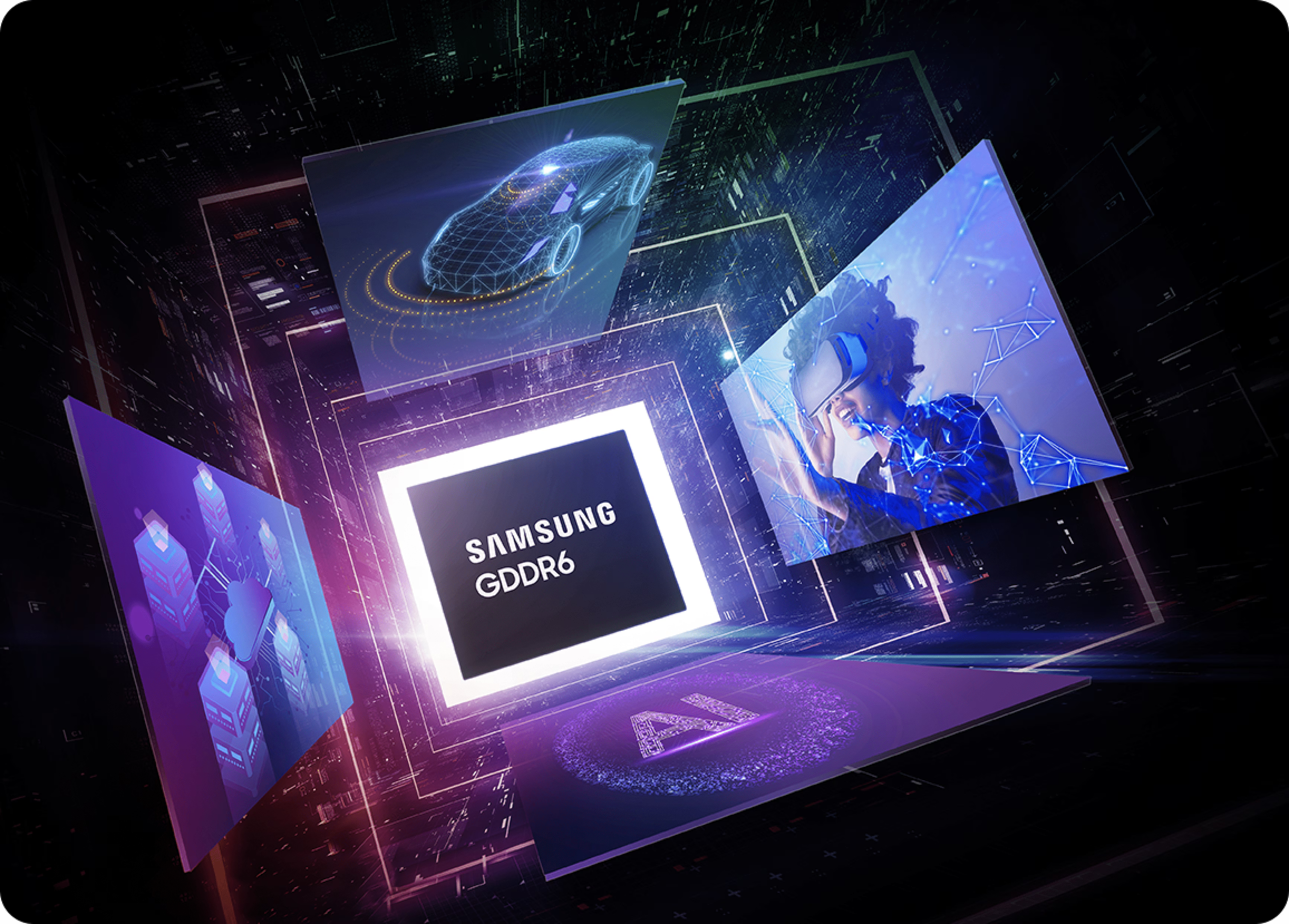
A fresh surge in GDDR6 demand is starting to raise concerns across the consumer hardware market, and the timing is far from ideal for gamers. According to a new report from EDaily, Samsung has sharply increased its monthly supply of 8Gb GDDR6 DRAM to Tesla starting in April 2026, reportedly quadrupling output versus earlier levels as the automaker pushes for more memory for infotainment and autonomous driving systems. Other reports citing the same development say Tesla originally asked for an even larger increase, suggesting the supply strain may not be fully resolved yet.
That matters because GDDR6 is still one of the most important memory standards in the wider graphics and semi custom market. While NVIDIA has already moved part of its newer lineup toward GDDR7, a large portion of current consumer hardware still depends on GDDR6. Sony’s PlayStation 5 uses 16GB of GDDR6 system memory, AMD’s Radeon RX 9000 series uses GDDR6 across the lineup, and Intel’s Arc Battlemage cards such as the Arc B580 also rely on GDDR6. Even within NVIDIA’s GeForce RTX 40 family, some models including the RTX 4060 and RTX 4060 Ti use GDDR6, while many higher tier cards use GDDR6X instead.
The pricing trend is where the story gets more serious. TrendForce’s current spot pricing page shows GDDR6 8Gb at an average spot price of 12.335 dollars, up from 2.846 dollars on October 20, 2025 according to the figures cited in the Korea based reporting. That is more than a 4 times increase in roughly 6 months, which is an unusually sharp move even for a volatile memory segment. TrendForce’s latest market commentary also notes that memory pricing remains under pressure as suppliers hold firm ahead of official price updates.
For gaming hardware, the key risk is not that every product immediately becomes more expensive overnight, but that sustained pressure on GDDR6 supply could eventually feed into higher contract prices, tighter availability, or both. Spot pricing does not map perfectly to long term OEM and console supply agreements, and companies like Sony, AMD, Intel, and board partners source memory from multiple vendors rather than relying on Samsung alone. Even so, when one of the biggest suppliers reportedly diverts significantly more GDDR6 output toward a major automotive customer during an already tight memory environment, that is exactly the kind of shift that can ripple through adjacent markets.
That makes this especially relevant for the PlayStation 5 and more cost sensitive graphics products. Consoles depend on steady memory procurement to protect margins, and lower priced GPUs are far less insulated from BOM pressure than halo products. If GDDR6 remains expensive, entry and mainstream cards could face the most visible strain because memory cost carries more weight in those segments. This also lines up with broader reporting that the RAM shortage tied to AI driven production priorities could persist well into 2027, as suppliers continue emphasizing higher margin products and limited near term capacity expansions.
Samsung’s own production posture adds another layer to the situation. The reporting around the Tesla supply increase says the company has been trimming less profitable memory products and focusing more selectively on lines that better support margins. In other words, this is not just a demand story. It is also a capital allocation and product mix story, with memory makers increasingly choosing where supply creates the strongest return. In a market where AI and automotive demand are climbing, traditional gaming hardware does not automatically get priority.
For now, the most realistic takeaway is caution rather than panic. This does not guarantee an immediate PlayStation 5 price hike or instant GPU shortages across the board. But it does increase the risk of tighter GDDR6 availability at a time when a wide range of gaming hardware still depends on that standard. If Tesla’s demand keeps rising, and if Samsung or other suppliers continue favoring higher margin segments, gamers could feel the impact through slower restocks, higher partner pricing, or reduced flexibility in mainstream GPU launches over the coming months.
Do you think memory shortages will hit consoles and budget GPUs harder this year, or can vendors still absorb the pressure before gamers feel it?
