
Samsung’s Reported Q2 NAND Price Doubling Signals a New Memory Shock for the PC Market
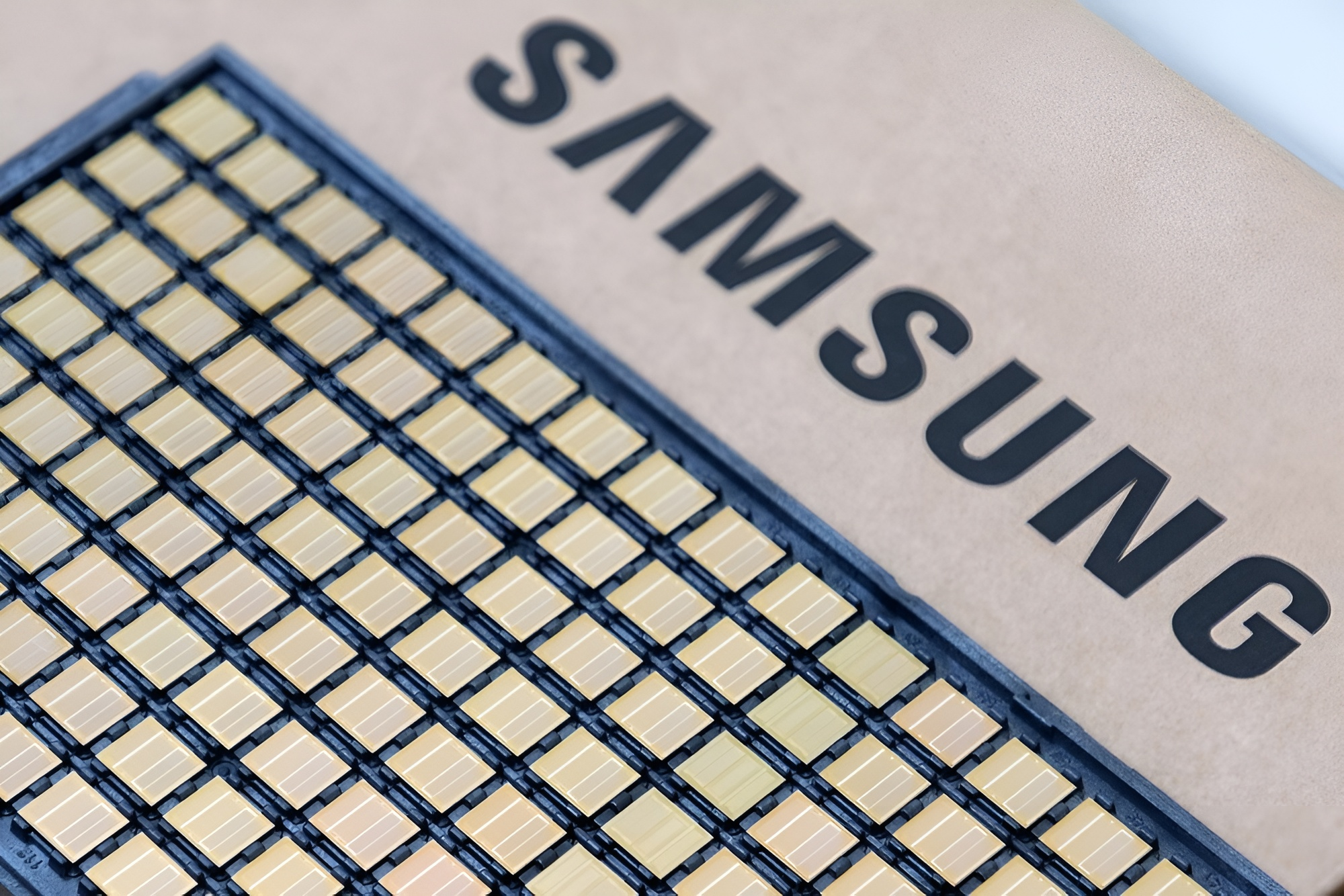
The memory market may be heading into another painful phase, and this time NAND flash is moving to the center of the storm. According to a report from Sedaily, Samsung is reportedly preparing to raise NAND supply prices by around 100% in the second quarter of 2026, following a similarly steep increase in the first quarter. Samsung has not publicly confirmed that figure, but if the report is accurate, it would mark one of the most aggressive back to back pricing moves the NAND market has seen in years.
What makes this story more serious is that broader market data already shows NAND pricing is moving sharply upward even without relying only on one report. TrendForce said in early February that its forecast for Q1 2026 NAND flash contract prices had been revised upward to a 55% to 60% quarter over quarter increase, while its March memory spot update showed 512Gb TLC wafer prices rising another 14.7% in a single week. Tom’s Hardware separately reported that NAND wafer costs jumped 25% in February alone, pointing to a rapidly overheating market.
The supply side is a major part of the problem. TrendForce said top NAND vendors saw strong shipment growth in mobile NAND and enterprise SSDs in late 2025, while other reporting indicates suppliers have also cut wafer output and focused more attention on higher margin products tied to AI infrastructure. That combination creates exactly the kind of imbalance that squeezes the client market: less flexible supply on one side, and hyperscaler driven demand on the other.
This is why the NAND situation now looks dangerous for the broader PC industry. Consumer SSDs, gaming handhelds, laptops, and prebuilt desktops all depend directly on NAND pricing, and client SSD contract prices were already expected to rise by more than 40% in early 2026 before this latest Samsung report surfaced. If large suppliers keep prioritizing enterprise and AI related demand, consumer storage pricing could keep climbing even as buyers are still dealing with elevated DRAM costs.
It is also important to separate what is confirmed from what is still emerging. The strongest supported market wide signals right now are that NAND prices are rising quickly, enterprise SSD demand is strong, and suppliers have tightened supply enough for contract and spot prices to jump sharply. The specific claim that Samsung alone is doubling prices again in Q2 comes from Sedaily and follow on coverage, so it should still be treated as reported rather than officially announced. Even with that caution, the direction of travel is hard to miss. NAND is no longer just following DRAM higher. It is becoming a pricing shock of its own.
For gamers and PC buyers, the practical takeaway is simple. If this trend continues, storage may become the next major cost pressure point across the consumer hardware stack. SSD upgrades, new PC builds, and system integrator pricing could all take another hit as the memory industry shifts more of its leverage toward AI driven demand and enterprise margins. The problem is not just that NAND is getting more expensive. It is that the market increasingly looks comfortable making consumers absorb the fallout.
Do you think the industry is heading toward another full scale memory pricing crisis, or will NAND stabilize before SSD and PC prices move even further out of reach?
