
Samsung Reportedly Passes 80% Yield on 4nm as Groq, IBM, and Baidu Orders Strengthen Foundry Recovery

Samsung Foundry may finally be turning a corner on one of the metrics that has haunted its contract chip business for years: yield. According to a report from Seoul Economic Daily, Samsung’s 4nm process has now surpassed 80% yield, a level the report describes as mature production status and one that could help the company attract more external customers at a time when AI related chip demand continues to surge. It is worth noting that this is a 4nm report, not 8nm.
The timing is important. Samsung’s 4nm process has been under close industry scrutiny because foundry customers care less about marketing labels and more about whether wafers can be produced consistently, profitably, and at enough scale to support real products. A yield above 80% would represent a meaningful milestone for Samsung, especially as it tries to rebuild confidence against TSMC in advanced manufacturing. Seoul Economic Daily says that stronger 4nm economics are already helping attract orders from global technology companies, including Groq, IBM, and Baidu.
The clearest externally supported part of this story is Groq. Groq officially announced back in 2023 that it had selected Samsung Foundry as its silicon partner for its next generation LPU roadmap using Samsung’s SF4X process. More recently, Samsung’s own foundry blog said next generation LPU products are expected to enter mass production in the second half of 2026, reinforcing the idea that the Groq relationship is not just historical, but still commercially relevant.
The Groq angle gained even more visibility in March, when NVIDIA CEO Jensen Huang publicly thanked Samsung during GTC and said the company was manufacturing Groq LP30 chips, adding that production was already underway and shipments were expected in the second half of the year. Reuters reported the same moment and noted that the announcement boosted optimism around Samsung’s foundry turnaround.
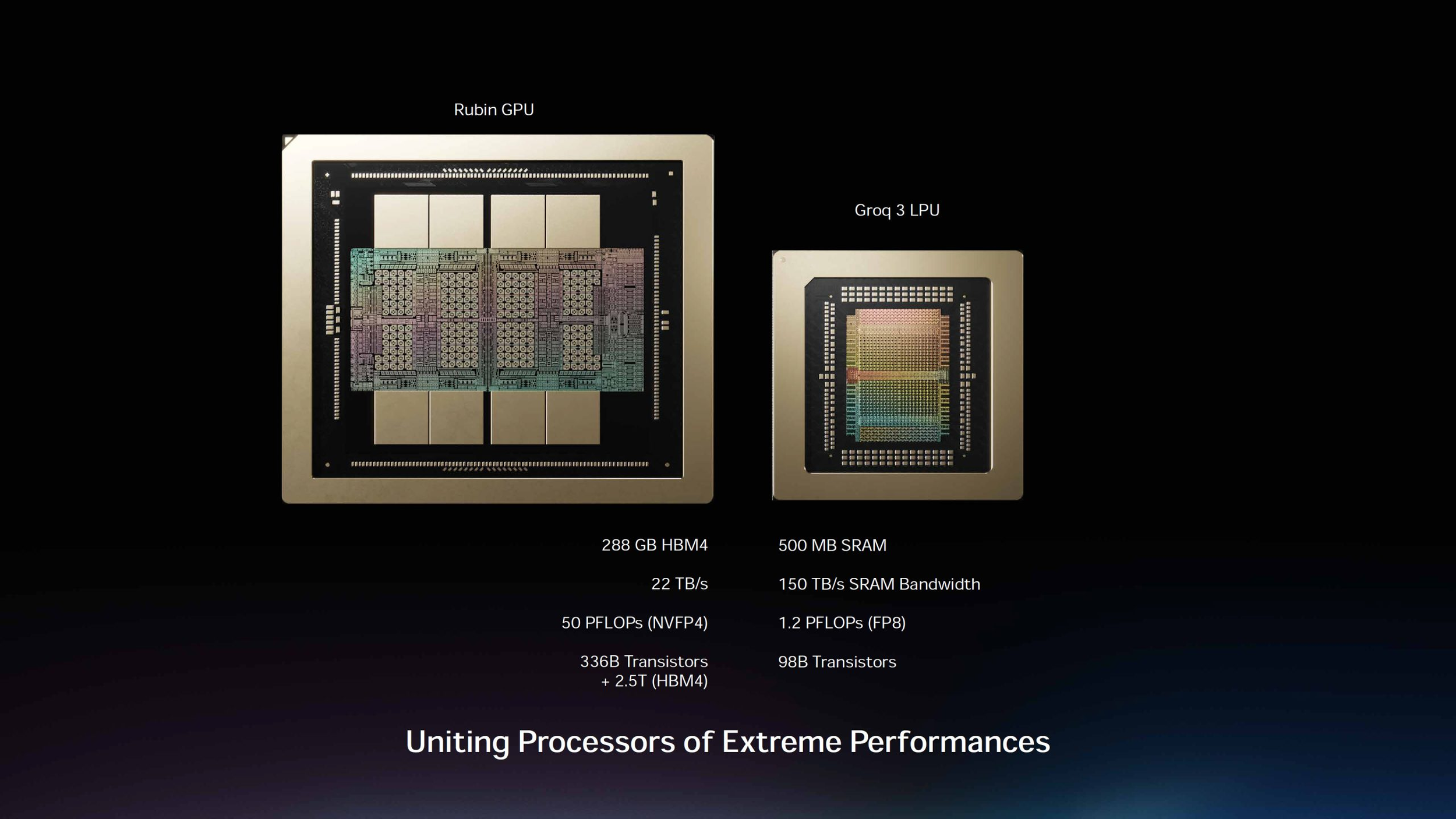
That gives Samsung something it badly needs: a live, high profile AI inference customer tied to a modern node. Even if IBM and Baidu have not publicly confirmed their own 4nm Samsung programs, the reported Groq business alone is strategically significant because it ties Samsung to one of the hottest infrastructure themes in the market, inference scale out. The IBM and Baidu parts should still be treated as report based rather than independently confirmed customer announcements.
Samsung is also clearly trying to shape the narrative around 4nm maturity itself. In a recent official post, the company described its 4nm FinFET offering as “scaling built on maturity” and said the node has demonstrated competitiveness in process uniformity, yield, and quality control. While Samsung did not publish a specific 80% figure in that official blog, the message lines up with the broader claim that 4nm has moved into a more stable and commercially dependable phase.
This matters beyond one node. Samsung’s foundry business has spent years fighting perceptions that it could launch advanced process technologies but struggle to make them profitable at scale. If 4nm is now genuinely mature enough to support sustained AI chip orders, that gives Samsung a stronger foundation while it continues working to improve next generation nodes. That does not mean the bigger technology race is suddenly settled. Reports from Korean media have continued to suggest Samsung’s 2nm yields are still trailing TSMC’s, so the company still has work to do at the bleeding edge. But a healthier 4nm business could give Samsung much needed breathing room and revenue support while it pushes forward. This is an inference based on the reported 4nm yield improvement and Samsung’s continuing foundry positioning.
In short, the most credible reading right now is this: Samsung’s 4nm process appears to be in a much better place than before, Groq is a real and visible AI customer, and the company may be starting to convert that technical progress into foundry momentum. The bigger question is whether that momentum remains limited to a maturing 4nm node, or whether Samsung can use it as a springboard to become far more competitive on future generations.
Do you think Samsung’s foundry business can use 4nm maturity to rebuild serious momentum against TSMC, or is the real battle still all about 2nm?
