
Samsung Foundry Reportedly Nears Profitability as 4nm Demand Surges on HBM4 Momentum
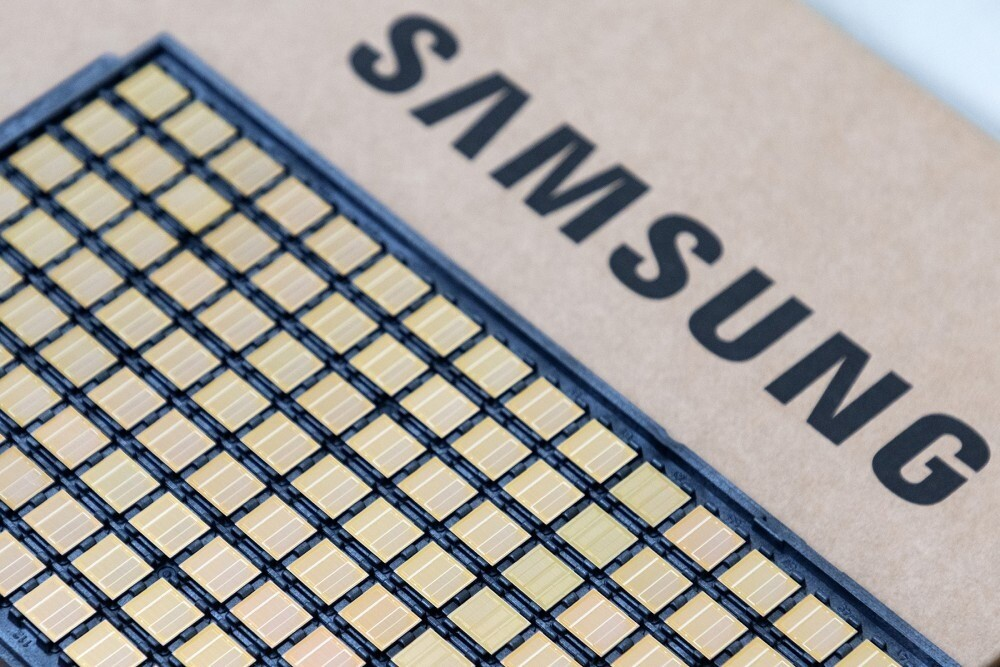
Samsung’s foundry business may finally be approaching a meaningful turnaround, with a new report from ZDNet Korea claiming that strong demand for the company’s 4nm process is pushing production lines toward full utilization and could help return the division to profitability as early as the second half of 2026. The report frames Samsung’s SF4 family as a key beneficiary of rising AI memory demand, especially as HBM4 ramps and large customers continue looking for both capacity and a more diversified supply chain.
According to the Korean report, Samsung Foundry’s 4nm production is effectively booked through next year, with industry sources saying the company has recently secured enough orders to fill production into 2027. One unnamed source told ZDNet Korea that Samsung’s 4nm process has shown better than expected stability, which is said to be driving renewed interest from global customers and making it difficult to accept much additional near term business because the lines are already running at very high utilization.
That detail is important because Samsung’s 4nm node has had a mixed reputation since its early rollout. Officially, Samsung says its first 4nm process, SF4E, entered mass production in 2021, and the family has since expanded to include variants such as SF4, SF4P, SF4X, and SF4A. Samsung describes SF4X in particular as the highest performance member of the 4nm family, with improved BEOL processes and stronger support for HPC class designs. That makes the current report notable, because it suggests the node is now being viewed less as a troubled transition point and more as a mature, stable process that can win and hold valuable production.
A major part of that demand is reportedly tied to HBM4. ZDNet Korea says Samsung is producing the base die for its HBM4 products on its 4nm foundry process, and that growing HBM4 shipments are directly increasing load on those lines. Samsung itself announced on February 12, 2026 that it had begun mass production of HBM4 and shipped commercial products to customers, describing the new memory as using a 4nm logic base die. That official timeline lines up closely with the report’s argument that memory driven demand is now becoming a real support pillar for the foundry business.
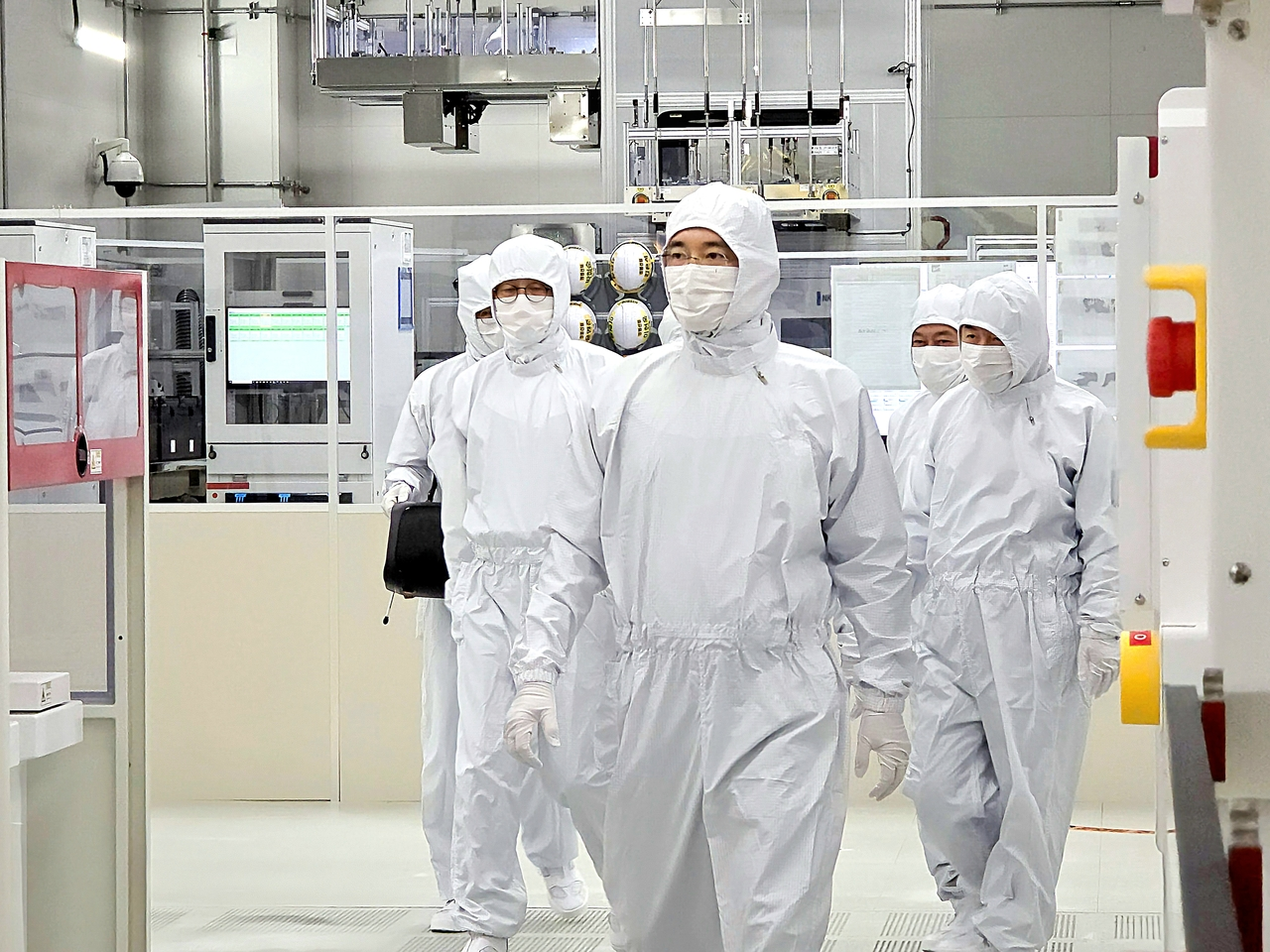
The report also claims that interest in Samsung’s 4nm capacity goes beyond memory related internal demand. ZDNet Korea says customers such as NVIDIA and Google are among the companies associated with Samsung’s 4nm process as global fabless players seek supply chain diversification and a better balance of cost and performance. That point should still be treated carefully because the article cites unnamed industry sources rather than formal customer announcements, but it fits a broader industry pattern in which advanced capacity has become strategically valuable even when it is not on the absolute leading edge.
Perhaps the biggest financial takeaway is the profitability angle. The report says Samsung’s 4nm line has already absorbed much of its upfront investment burden, meaning that better utilization can now have a stronger positive effect on margins. One source cited by ZDNet Korea says Samsung Foundry could swing back into the black as early as the second half of this year, or by the first half of next year at the latest. That is still a projection rather than a confirmed company forecast, but it suggests market sentiment around Samsung Foundry may be shifting as AI related workloads create more reliable demand for specific process nodes.
At the same time, the report notes that the full earnings picture remains complicated by Samsung’s Taylor, Texas fab. ZDNet Korea says it is still unclear whether some of the incoming orders will be assigned to production in Korea or ultimately tied to the United States facility, and it adds that the accounting treatment of Taylor’s large startup and operating costs could materially affect how profitability is reflected at the business level. In other words, even if 4nm utilization improves sharply, investors may still need to look beyond a single demand headline to understand the foundry division’s real financial condition.
The broader takeaway is that Samsung’s 4nm story may be evolving from recovery to relevance. Instead of being defined only by past yield concerns, SF4 is increasingly being discussed in terms of maturity, HBM4 support, and commercial traction. If the current report is accurate, then rising memory demand is not just helping Samsung sell more HBM4, it may also be giving the company’s foundry arm one of its clearest paths back to operational stability and profit.
Do you think Samsung’s 4nm rebound can become a long term foundry comeback, or is this more of a temporary boost driven by the HBM4 cycle?
