
Tim Cain Warns Influencer Culture Is Reshaping How Gamers Think About Games
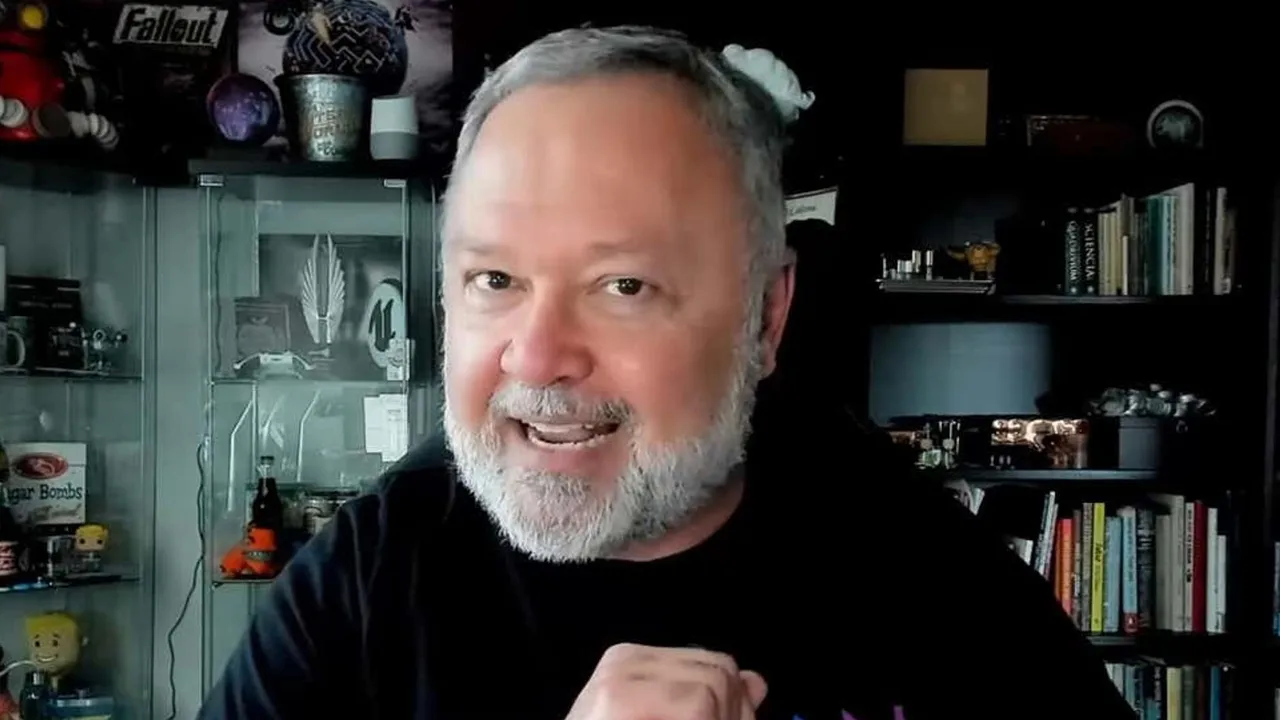
Veteran developer and Fallout co creator Tim Cain is once again drawing attention with comments from his personal channel, this time focusing on how social media, streamers, and online influencers have changed not just video game marketing, but the way many players engage with games themselves. In his recent video on YouTube, Cain argues that the industry has moved from presenting games for audiences to evaluate on their own toward a model where many players are effectively told what to think by online personalities they trust or simply enjoy watching. Coverage of the video confirms that Cain’s broader point is not only about content creators having influence, but about the growing tendency for players to adopt pre packaged opinions rather than forming their own judgment.
Cain frames this shift as part of a much longer evolution in how games are discussed and sold. He explains that in earlier decades, especially in the 1980s, games were marketed and reviewed very differently, with magazines and journalists more often focusing on features, comparisons, strengths, weaknesses, and technical impressions. By contrast, Cain says modern influencers often present games in a more personal and emotional way, effectively telling viewers whether something is for them and amplifying the most exciting or visually striking parts. In the current online environment, Cain says the line between recommendation and opinion shaping has become much thinner.
One of Cain’s sharpest observations is that this shift has also changed how developers think. Instead of preparing for traditional interviews where the goal was to deliver quotable insights to journalists, teams now increasingly think about what parts of a game will look best in clips on TikTok, Instagram, X, and video platforms. Cain argues that this creates pressure to design moments that are flashy, colorful, cinematic, or instantly compelling in short form content, because those are the pieces most likely to spread. That point is especially relevant in today’s market, where visibility often depends less on formal previews and more on whether a moment can travel quickly across feeds and creator channels.
The most striking part of Cain’s argument, however, is his concern that many players are no longer using online content to help inform their opinion, but are instead receiving an opinion directly from the person they follow. As quoted in reporting on the video, Cain says many gamers “don’t form opinions from the online video, they’re handed an opinion, from the online channel they’re watching.” He contrasts older review language such as comparing mechanics, pacing, or features with more aggressive influencer style framing that can flatten a game into quick labels like slow, casual, or not worth your time. Cain’s concern is not simply that influencers exist, but that their audiences can become so aligned with them that the influencer’s take becomes the viewer’s take almost by default.
To Cain’s credit, he does not treat this as purely negative. He acknowledges that players have always gravitated toward critics whose tastes matched their own. In that sense, the influencer era is not a total break from the past, but rather an evolution of it. The positive side is obvious: players now have access to a much wider range of voices than they did in the magazine era, making it easier to find someone whose preferences actually line up with their own. That can be more useful than relying on a single outlet score or a generalized review standard that may not reflect what a specific player values.
Still, Cain believes the downside is becoming more visible. He says more people seem to be “abdicating their own judgement” to online personalities, and he points to repeated, nearly identical comments as evidence that some players are simply echoing influencer phrasing rather than reacting independently. He also worries that game developers may start shaping projects around what a certain influencer audience will respond to instead of making the game they genuinely want to make. That concern goes beyond discourse and moves into design philosophy, where the chase for shareable moments can start influencing the actual structure and identity of a game.
What makes Cain’s comments resonate is that they reflect a tension many people in games already feel. On one side, creator led discovery is now a core part of how games reach audiences. On the other, the more discourse becomes filtered through personalities, memes, and social bubbles, the harder it becomes for a game to be evaluated on its own terms. Cain says he is curious, and also concerned, about where this goes in the 2030s, especially if the internet keeps pushing people deeper into tightly controlled opinion circles. At the same time, he leaves room for the pendulum to swing back, with future players potentially growing tired of labels, tribal takes, and rigid boxes around what games are supposed to be.
For the industry, this is more than an old school developer complaining about modern media. Cain is pointing to a real structural shift in how games are marketed, judged, clipped, discussed, and even designed. Whether one agrees with him or not, his warning is worth paying attention to, because it cuts to the heart of how games are increasingly experienced before players even pick up the controller.
What do you think, are gamers relying too much on influencers to decide what to play, or is this simply the modern version of how recommendations have always worked?
