
ASUS Reportedly Shifts 16GB GeForce Strategy Toward RTX 5080, Tightening RTX 5070 Ti Supply
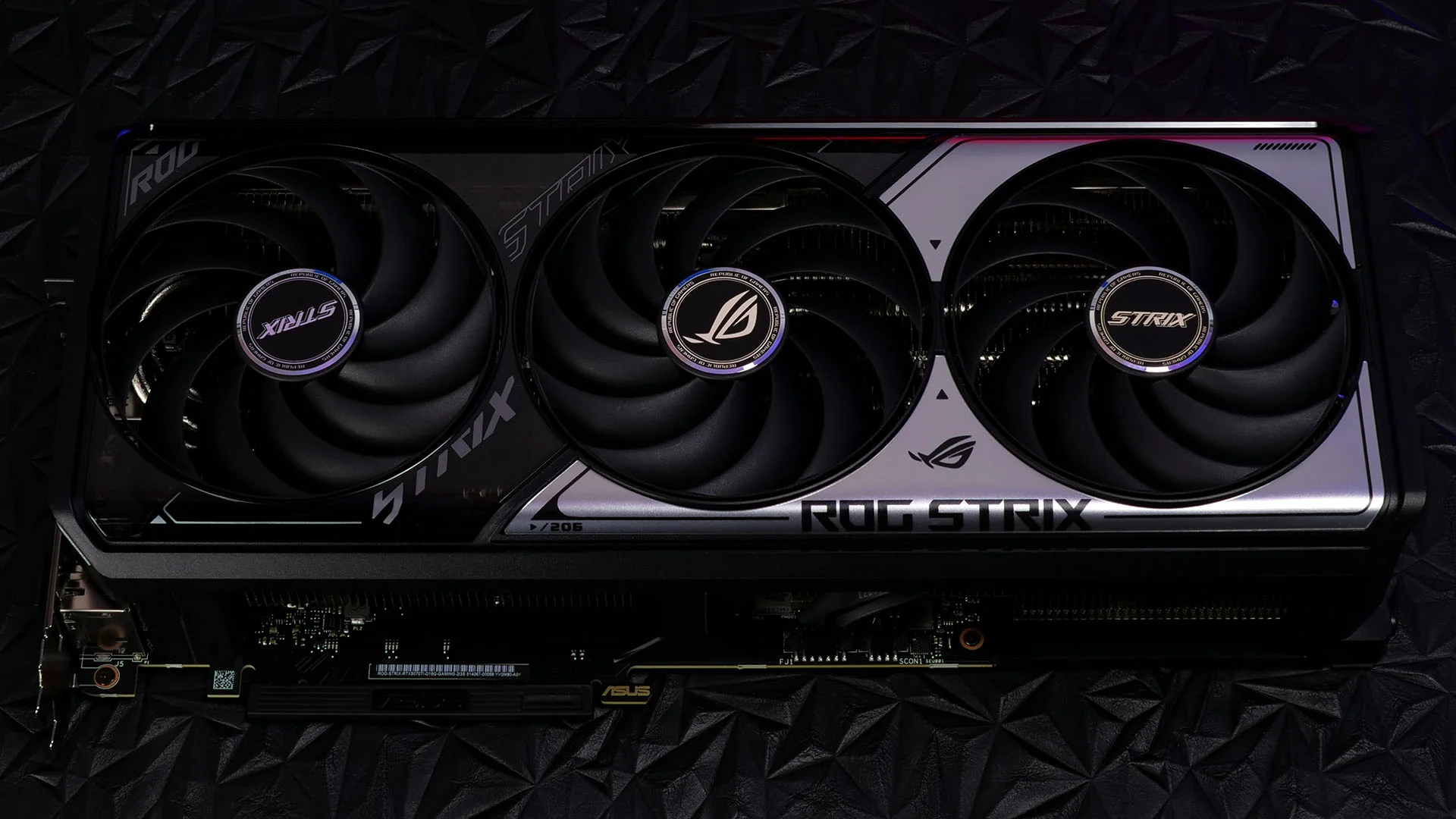
ASUS is reportedly making a notable change to its GeForce RTX 50 series allocation strategy, with new distributor channel claims suggesting the company is reducing focus on some GeForce RTX 5070 Ti models in order to prioritize the higher margin RTX 5080 lineup. The report, attributed to ChannelGate and echoed by WCCFTECH, says ASUS began adjusting this strategy in Q2 2026 as memory constraints and upstream supply conditions continued to pressure the graphics card market.
According to the reported channel guidance, ASUS will continue to cut supply of the RTX 5070 Ti series and focus mainly on a smaller number of mainstream variants such as Dual and PRIME, while more premium ROG and STRIX class 5070 Ti models become increasingly limited and may eventually be removed from active production. At the same time, production capacity is said to be shifting toward the RTX 5080, with ASUS reportedly pushing partners to maintain the card’s market share and pursue stronger sales across online retail and high end DIY systems.
The logic behind the move is fairly straightforward. Both the GeForce RTX 5070 Ti and RTX 5080 use 16GB memory configurations, so in a market where GDDR7 availability remains tight, a board partner has a clear incentive to allocate scarce memory and production resources toward the more expensive SKU. That broader supply pressure is not coming out of nowhere either. NVIDIA’s own management has already acknowledged supply constraints affecting its gaming business, while recent market coverage has tied RTX 50 series tightness to the ongoing GDDR7 shortage and wider memory market strain.
What makes this story especially interesting is that it does not appear to contradict NVIDIA’s broader public message as much as it highlights a difference between chip level availability and board partner strategy. NVIDIA has continued shipping RTX 50 series products, but AIB partners still have room to decide where they want to place emphasis inside their own lineups. In this case, the alleged ASUS plan looks less like a total collapse in supply and more like a commercial pivot toward the card that offers stronger revenue potential per unit of limited memory.
The report also mentions a possible RTX 5080 Master EVO model, which suggests ASUS may not just be reallocating supply quietly, but also preparing a stronger marketing push around the RTX 5080 tier. That would fit the current market environment, where premium cards continue to draw attention from enthusiasts even as mid to upper tier configurations become harder to position cleanly under tighter component constraints. At the same time, it raises an uncomfortable point for gamers who were eyeing the RTX 5070 Ti as a more balanced 16GB option. If this reported strategy is accurate, that card may become harder to find in premium ASUS variants moving forward.
There is still an important caveat here. The claim comes from channel reporting and has not been formally announced by ASUS in a public statement that I could verify directly. That means the situation should still be treated as a report rather than a confirmed company policy. Even so, it fits the wider pattern the market has been hinting at for months, with memory scarcity increasingly shaping which RTX 50 class products get priority and which ones get squeezed.
If this trend spreads beyond ASUS, it may become a much larger story for the GeForce market. The bigger issue would no longer be whether RTX 50 production exists at all, but which specific memory configurations and price tiers board partners believe are worth protecting first. For gamers, that could mean fewer premium RTX 5070 Ti choices and even stronger retailer focus on cards such as the RTX 5080 where margins are simply better.
Do you think board partners are making the right business move by prioritizing RTX 5080 supply, or is sacrificing higher end RTX 5070 Ti models a bad call for gamers?
