
RTX 5060 Ti 16GB Hits $805 Median Price as NVIDIA GPU Costs Surge Across the US
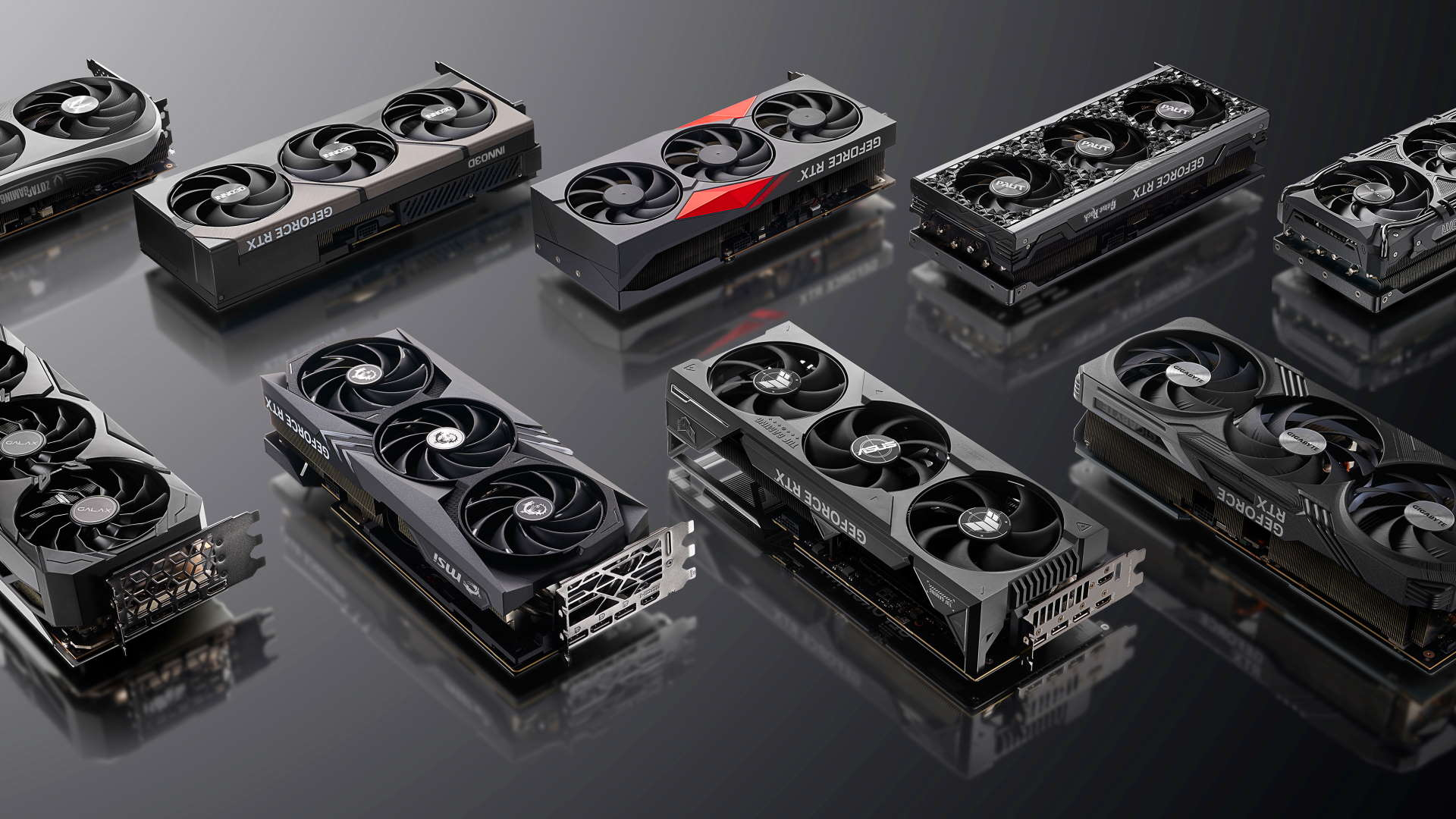
NVIDIA GeForce RTX 50 Series pricing continues moving sharply upward in the United States, with the RTX 5060 Ti 16GB now reaching a median retail price of $804.99 at Newegg. That represents a 39% increase compared with its $569.99 median price in June and puts the card approximately 88% above NVIDIA's original $429 launch price, significantly weakening what was originally positioned as one of Blackwell's more accessible 16GB gaming options.
The latest pricing data comes from Tom's Hardware, which tracks available graphics card listings and calculates median pricing to provide a more representative picture of what buyers are likely to encounter rather than relying on limited MSRP models. The findings show that several mainstream Blackwell cards experienced considerably larger increases between June and August than NVIDIA's already expensive premium models.
| GPU | June Median Price | August Median Price | Increase | Above Launch MSRP |
|---|---|---|---|---|
| RTX 5050 | $299.99 | $314.99 | 5% | 27% |
| RTX 5060 | $369.99 | $469.99 | 27% | 57% |
| RTX 5060 Ti 8 GB | $469.99 | $529.99 | 13% | 40% |
| RTX 5060 Ti 16 GB | $569.99 | $804.99 | 39% | 88% |
| RTX 5070 | $659.99 | $899.99 | 36% | 64% |
| RTX 5070 Ti | $1,099.99 | $1,099.99 | 0% | 47% |
| RTX 5080 | $1,461.99 | $1,499.99 | 3% | 50% |
| RTX 5090 | $4,299.99 | $4,699.99 | 9% | 135% |
The RTX 5060 Ti 16GB experienced the largest percentage increase during the 2 month comparison period, while the RTX 5070 climbed 36% from $659.99 to $899.99. Even the standard RTX 5060 increased 27% to $469.99, meaning its current median price is now higher than the $429 launch price NVIDIA originally announced for the more capable RTX 5060 Ti 16GB.
NVIDIA officially launched the RTX 5060 Ti 16GB at $429 and the 8GB model at $379 in April 2025, while the RTX 5060 followed with a starting price of $299. NVIDIA continues to present those figures as the official starting prices for the products, but the difference between MSRP and widespread retail availability has become increasingly difficult for PC builders to ignore.
The RTX 5090 remains the most inflated card relative to its original price, with its $4,699.99 median sitting approximately 135% above the $1,999 launch MSRP. However, the more dramatic recent movement is occurring lower in the product stack. The RTX 5080 increased only 3% between June and August, while the RTX 5070 Ti remained unchanged at a median $1,099.99, suggesting current pricing pressure is having an especially severe impact on mainstream and upper mainstream buyers.
Graphics memory costs are one of the major factors behind the broader adjustment. GDDR7 supply and pricing have been affected by the ongoing memory shortage, while board manufacturers and distributors are also dealing with higher replacement inventory costs. This has already resulted in major pricing changes across Asia, including MSI raising graphics card pricing by more than 20%, with ASUS and Gigabyte also introducing increases across NVIDIA and AMD products.
The RTX 5060 Ti 16GB is particularly vulnerable because its 16GB GDDR7 configuration gives it twice the memory capacity of the 8GB variant. That larger memory allocation has increasingly made the card attractive not only for gaming but also for local AI workloads, where VRAM capacity can determine whether larger models can operate entirely on the GPU. Tom's Hardware now considers the card difficult to recommend purely for gaming at current pricing, while noting that local AI users seeking 16GB of Blackwell memory below $1,000 may still see some practical value.
AMD has so far experienced less severe retail movement in the same US tracking data. Tom's Hardware reported mostly single digit increases across current Radeon products, with the Radeon RX 9060 XT 16GB sitting around $474.99 and the RX 9070 XT reaching a median of approximately $799.99. The RX 9070 GRE was also widely available around its $549 MSRP at the time of the survey, creating increasingly aggressive competition against NVIDIA cards that have moved far beyond their intended pricing tiers.
An RTX 5060 Ti 16GB at approximately $805 fundamentally changes the card's market position. At $429, it offered a relatively approachable way to obtain 16GB of VRAM, Blackwell architecture, DLSS 4, Multi Frame Generation, and enough memory for increasingly demanding games and local AI applications. At nearly twice that price, the performance tier stays the same while the value proposition collapses.
The most concerning part is that the latest increases are no longer concentrated on halo products such as the RTX 5090. RTX 5060, RTX 5060 Ti, and RTX 5070 cards represent the segment that a much larger percentage of PC gamers actually considers purchasing. If graphics memory costs and replacement inventory pricing continue climbing, the traditional mainstream discrete GPU market could increasingly move into pricing territory previously associated with enthusiast hardware.
Would you still consider an RTX 5060 Ti 16GB at $805, switch to Radeon, purchase a used GPU, or simply delay your next PC upgrade?
