
RPCS3 Ships Native Windows ARM64 Builds, Bringing PS3 Emulation To Snapdragon X Elite PCs With Some Graphics Driver Caveats

RPCS3 has rolled out native Windows ARM64 builds, marking one of the most meaningful platform compatibility expansions the PlayStation 3 emulator has delivered in a long time. The practical impact is immediate: Windows on ARM users can now run RPCS3 natively on devices powered by chips such as Snapdragon X Elite and Snapdragon X Plus, instead of being locked out by architecture limitations.
This update lands shortly after RPCS3 introduced direct ISO mounting for PS3 disc games, a quality of life upgrade that made managing disc based libraries far more convenient for enthusiasts who prefer clean local storage workflows. With Windows ARM64 now officially in the mix, RPCS3’s availability story is stronger than ever across modern PC ecosystems, supporting both X64 and ARM64 across Windows, Linux, and macOS, while FreeBSD remains supported on X64 only.
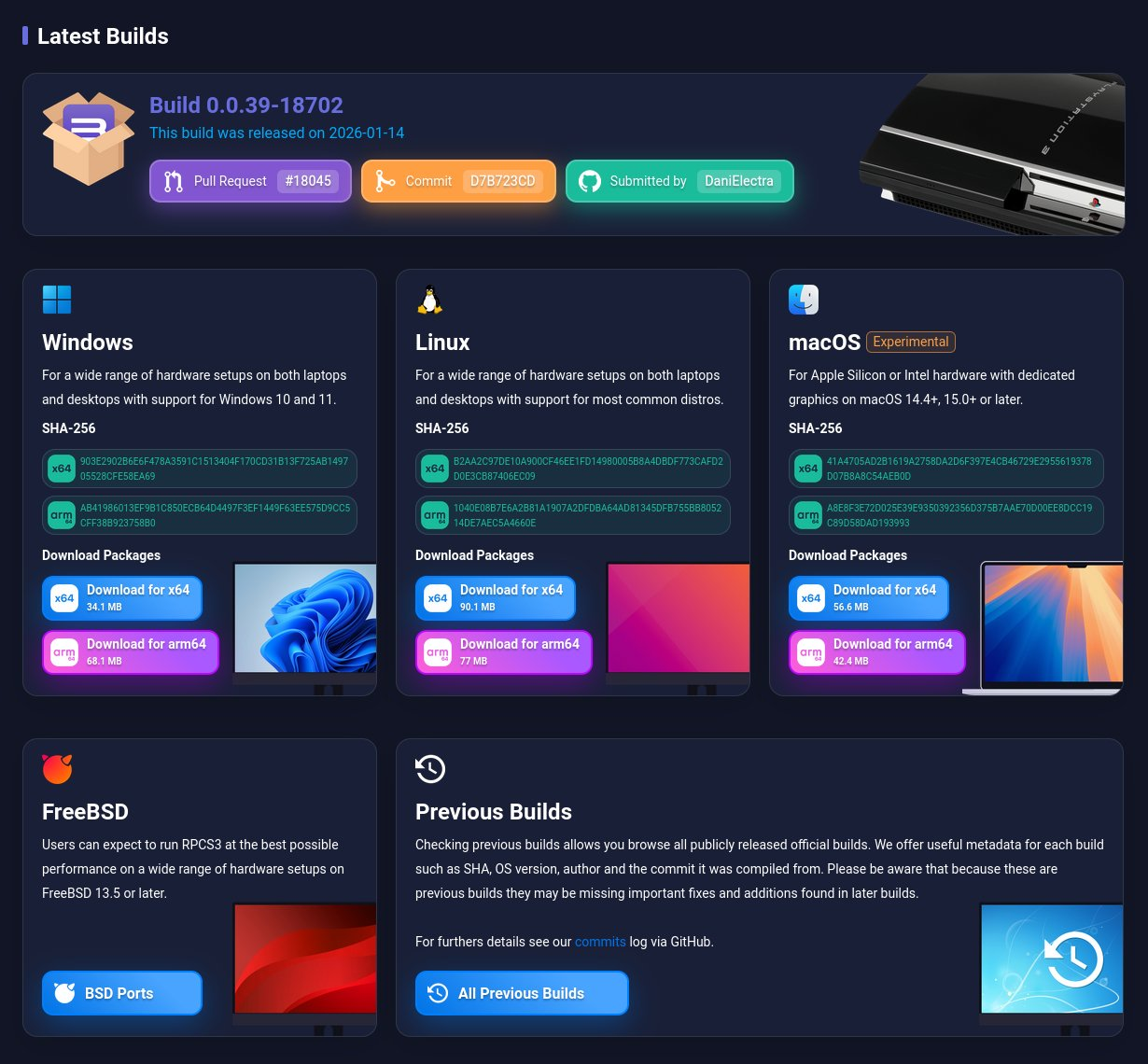
A key point to understand is that native builds do not automatically guarantee broad game compatibility on Windows ARM64 today, and the RPCS3 team has been transparent about why. The emulator relies heavily on modern graphics APIs like Vulkan and OpenGL, and many Windows on ARM devices still face limitations in GPU driver maturity. In particular, the state of Vulkan and OpenGL support on common Windows ARM64 GPU stacks can create hard blockers for specific titles.
RPCS3 highlighted this reality directly in a public response shared via its official X account, explaining that the team does not currently have access to Windows on ARM hardware with functioning OpenGL and Vulkan drivers capable of running RPCS3 reliably. As a result, the developers are depending on community testing and user submitted reports to identify ARM64 specific issues and edge cases, including game specific failures such as Dead to Rights.
In short, this Windows ARM64 release is a major strategic unlock for emulator reach and future proofing, but the immediate experience will vary based on your device and GPU driver stack. If you are a Windows on ARM early adopter, this is the kind of release that rewards the enthusiast mindset: test, document, report, and help tighten the compatibility loop so the platform matures faster.
What Windows on ARM device are you most interested in testing RPCS3 on, Snapdragon X Elite laptops, compact mini PCs, or always connected handheld style systems?
