
Rockstar Reportedly Helps Terminally Ill Grand Theft Auto Fan Play Grand Theft Auto VI Early
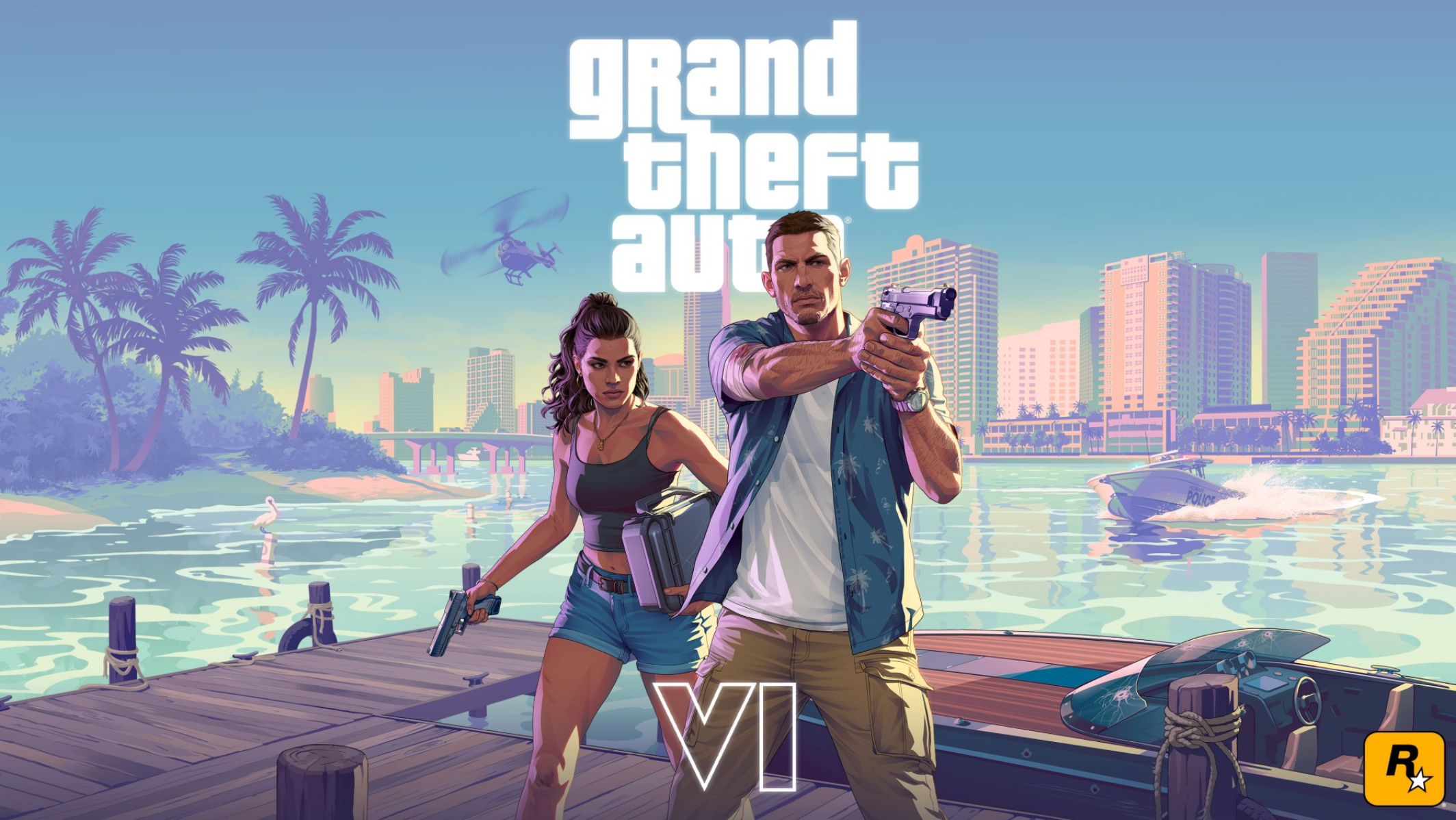
A rare and genuinely human story is circulating around Rockstar Games this week, with reports claiming the studio is helping a terminally ill fan experience Grand Theft Auto VI ahead of launch. The report was first highlighted by Tech4Gamers, which traced the situation back to now deleted LinkedIn posts from Ubisoft Toronto UI integrator Anthony Armstrong.
According to the reporting, Armstrong asked whether anyone in his network could connect him with Rockstar or Rockstar Toronto, hoping a family member with an estimated 6 to 12 months to live could play the game before release. The posts were later removed, which is consistent with how this kind of private accommodation is typically handled once the right people get involved and confidentiality becomes the priority.
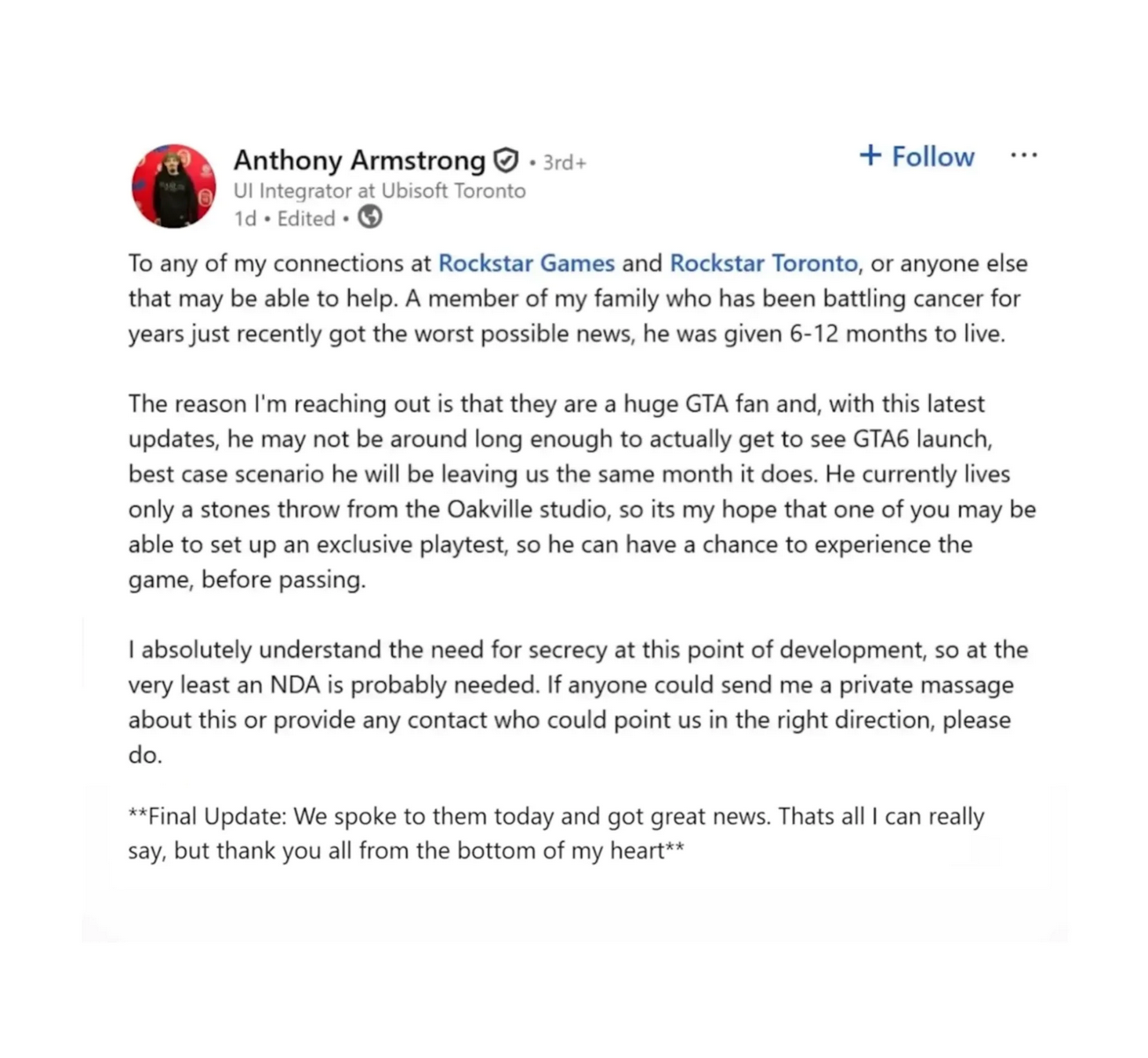
Follow up coverage suggests the request reached the top. As reported by TheGamer, Take Two chief executive Strauss Zelnick was reportedly involved in outreach as the process moved toward setting up a private play session. Rockstar has not publicly confirmed details, and that silence is not surprising given how tightly the studio controls pre release access and information flow.
This is also not the first time a Take Two publisher label has made a similar exception. In 2024, Gearbox responded to a longtime (IGN) Borderlands fan, Caleb McAlpine, and flew him and a friend to the studio to see Borderlands 4 early, a moment that became widely shared across the industry as a reminder that games can still create real world impact beyond metrics and monetization.
The Rockstar angle lands at a complicated time for the studio. In parallel to this positive headline, Rockstar North has faced recent labor scrutiny in the United Kingdom, with ongoing legal proceedings connected to allegations raised by the IWGB union and former employees, while Rockstar disputes the characterization of those dismissals. Separately, emergency services responded to an incident at the Rockstar North office building in Edinburgh on January 19, 2026, with reports describing structural damage and a cordoned perimeter, and no injuries reported.
Taken together, the contrast is striking. On one side, a corporate scale studio navigating high pressure legal and operational narratives. On the other, a quiet personal accommodation that does not sell more copies today, but strengthens trust and goodwill in a way that marketing cannot replicate. If the reporting holds, it is a strong example of a publisher and studio using their reach to deliver something that genuinely matters to a player and their family.
Should more studios create a formal pathway for requests like this, or is it better handled quietly case by case to protect privacy and avoid turning compassion into a public spectacle?
