
Rockstar Reportedly Canceled Midnight Club 5 After Work Began on a London Map
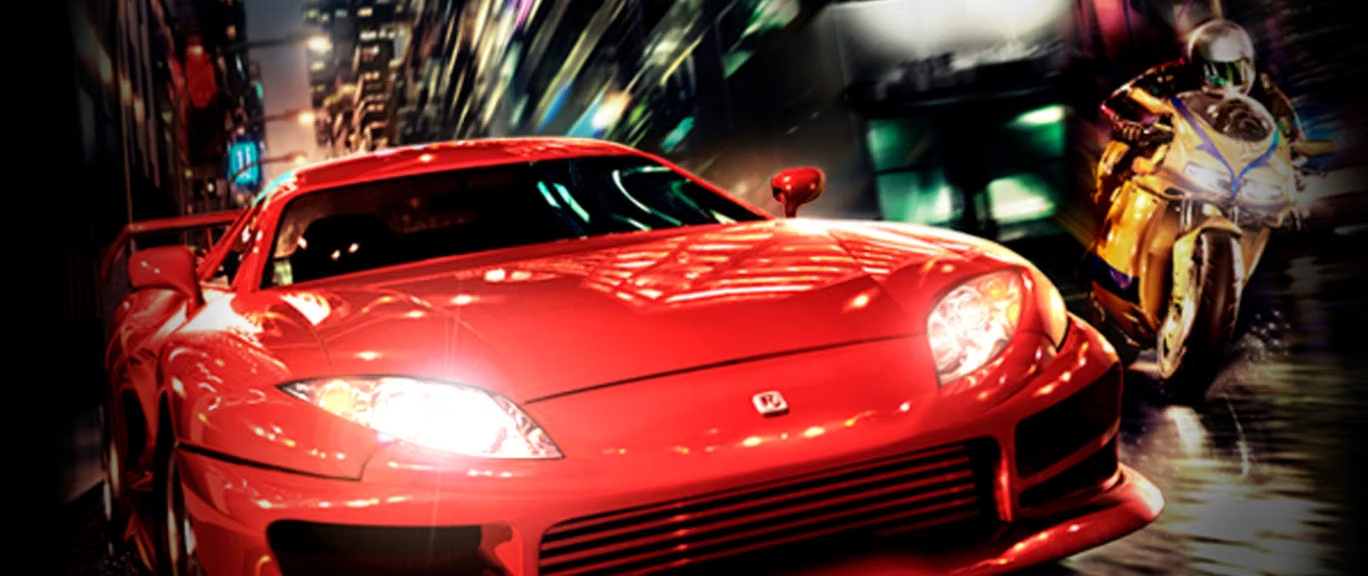
Rockstar Games reportedly began early development of a fifth Midnight Club game before canceling the project and dismantling much of the team behind the arcade racing franchise. Former Rockstar senior designer Kris Roberts revealed that prototype cities had been explored and that he recalled London entering map development, although Midnight Club 5 may not have been the final title. Since Roberts had already left Rockstar when development continued, the information is based on his recollection rather than official project documentation.
During the Kris Roberts interview, the former designer explained that tensions existed between Rockstar San Diego and the company’s leadership in New York. Midnight Club: Los Angeles had missed multiple deadlines, creating legitimate concerns when delays carried significant manufacturing and retail consequences. Roberts said creative control and the franchise’s position beside Grand Theft Auto also influenced how the team and its work were perceived.
"The New York perspective was, 'You’re not GTA.'"
— Quote by: Kris Roberts
Roberts said the cancellation made it clear that Rockstar would no longer prioritize Midnight Club. Some developers reportedly moved to the RAGE engine team or Red Dead Redemption, while others were dismissed. This effectively ended the franchise despite Midnight Club competing against major arcade racing series such as Need for Speed and Burnout.
The final main release, Midnight Club: Los Angeles, launched on October 21, 2008, followed by additional vehicles, races and the South Central expansion. Rockstar later maintained access through Xbox backward compatibility, but it has not announced a new entry.
Rockstar’s current development and commercial strategy remains centered on Grand Theft Auto. GTA 6 will launch first on consoles on November 19, 2026, for PlayStation 5 and Xbox Series X and S, while Midnight Club does not appear in Take Two Interactive’s announced release pipeline.
Midnight Club occupied a space that remains underserved by modern racing games. Its combination of licensed vehicles, urban environments, unrestricted routes and aggressive arcade handling gave it an identity distinct from both simulation racers and structured festival games.
Rockstar’s decision is commercially understandable when compared with the scale of Grand Theft Auto, but consolidating development around a few enormous franchises also removes experimentation from its portfolio. GTA Online contains extensive vehicle culture, yet it does not fully replace a dedicated street racing game built around real cities, vehicle progression and competitive racing.
A modern Midnight Club could still attract a substantial audience, but Roberts’ account suggests the franchise disappeared because of internal priorities rather than a lack of creative potential.
Should Rockstar revive Midnight Club after GTA 6, or has the arcade racing market moved beyond the franchise?
