
Reddit User Buys Corsair Vengeance DDR5 From Amazon and Finds DDR4 Modules Hidden Under the Heatsinks
The counterfeit hardware problem is no longer limited to big ticket items like CPUs and graphics cards. As memory prices surge and DDR5 becomes one of the most expensive components in a mainstream PC build, scammers are clearly looking for new angles to exploit demand and supply tension. A new case circulating on Reddit shows how even something as familiar as a branded RAM kit can be manipulated in a way that is hard to spot until installation.
According to a post by Reddit user Leading-Growth-8361 on the r pcmasterrace subreddit, the user purchased a Corsair Vengeance DDR5 kit from Amazon that included 2 modules, but quickly noticed something off. The heatsink casings on the sticks appeared loose. Despite that warning sign, the user continued with the PC build, only to discover the modules would not physically seat into the motherboard.
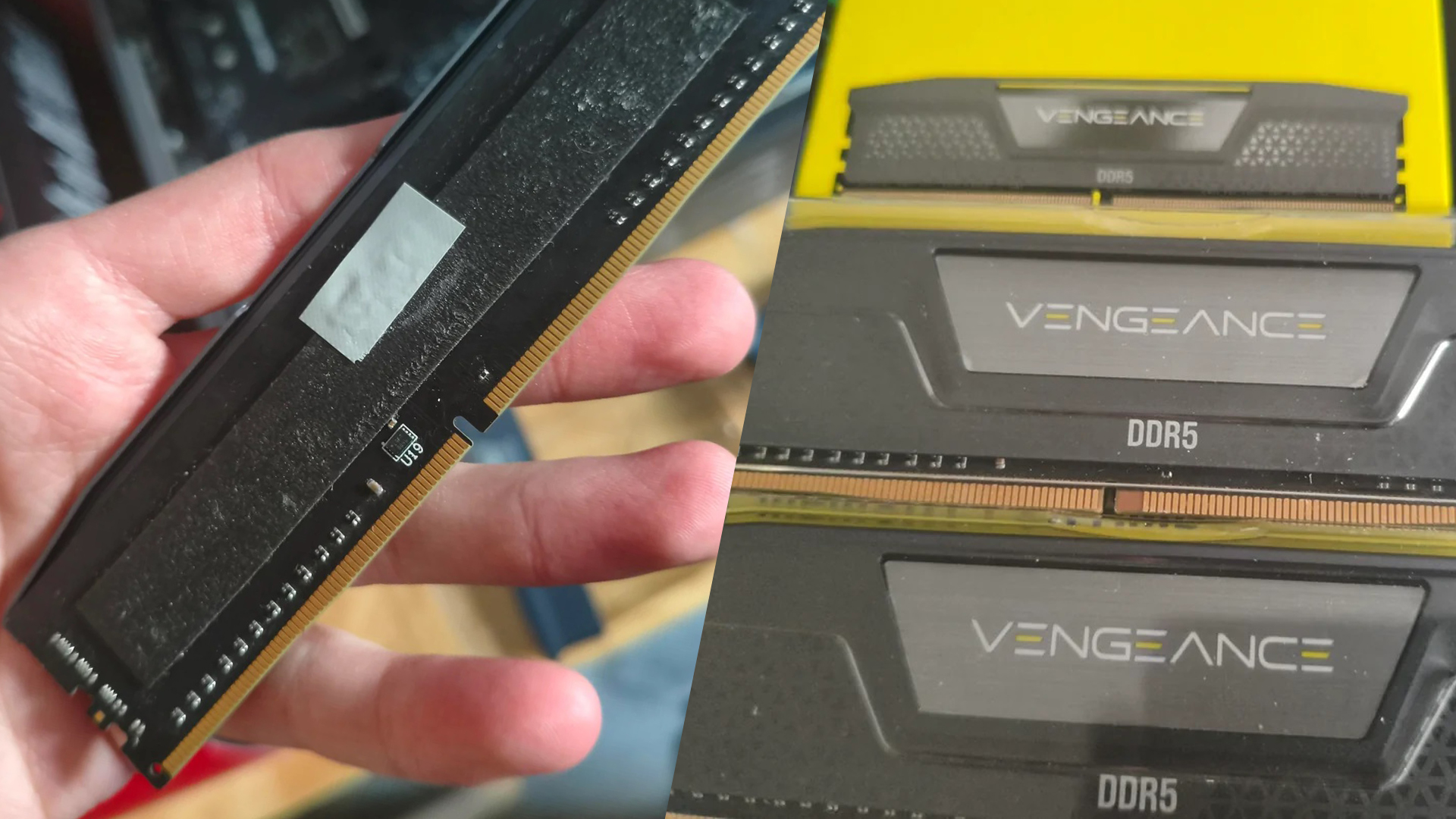
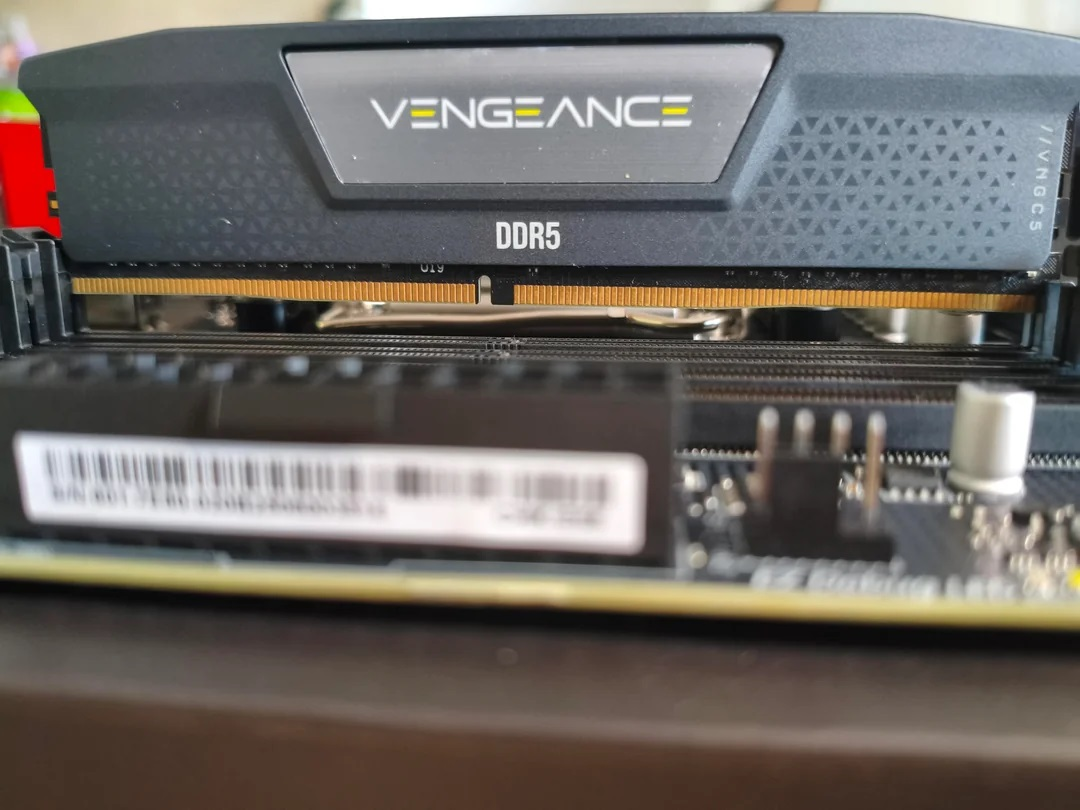
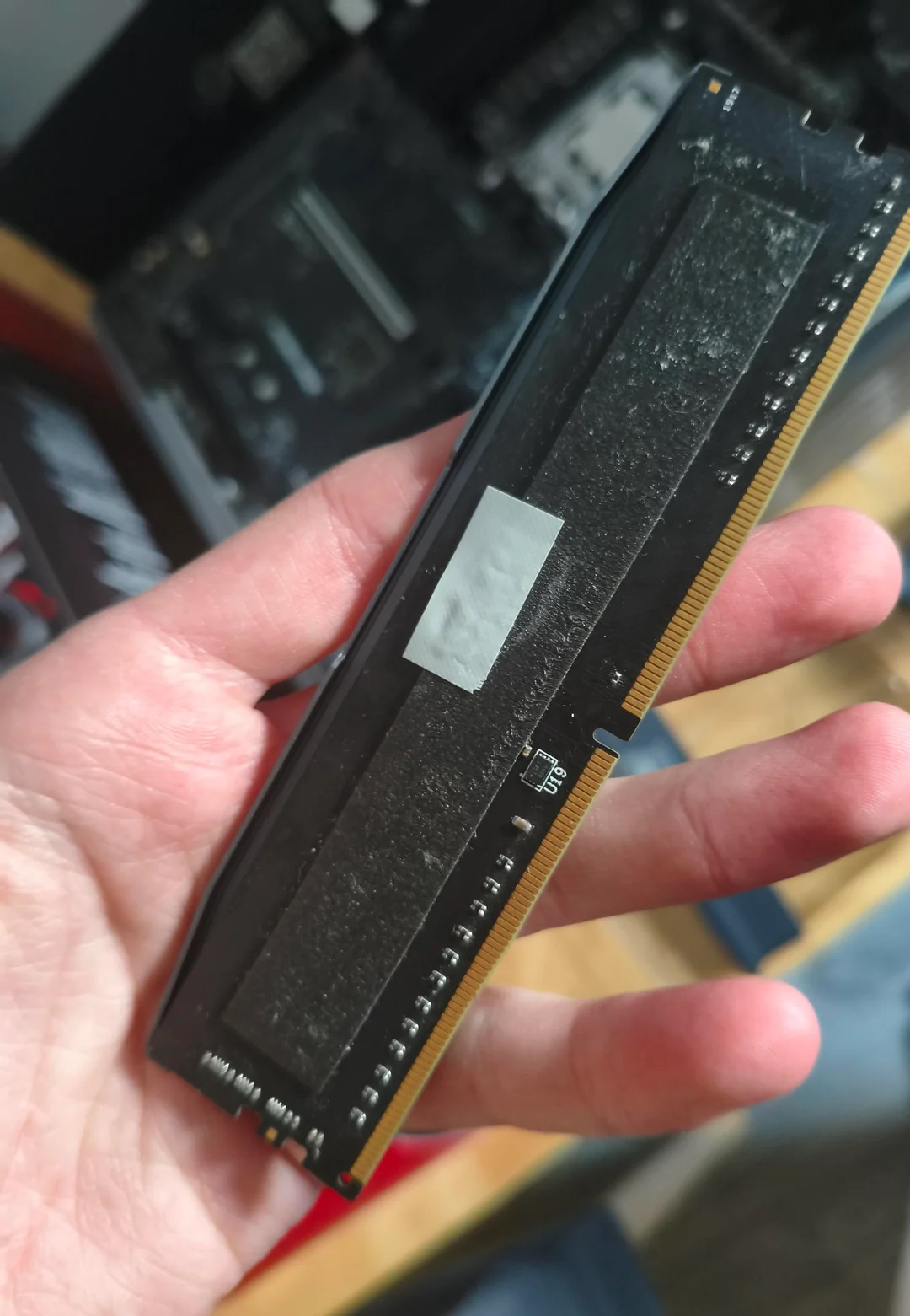
The images shared in the Reddit post show why. The notch cutout on the gold finger is not positioned where it should be for DDR5. On DDR5 DIMMs the notch location is different from DDR4, and in this case the cutout appears shifted away from the DDR5 position. That strongly indicates the modules underneath were not DDR5 at all. Once the user detached the heatsinks, he reportedly found an unknown set of memory modules consistent with DDR4 form factor, suggesting the scam involved placing older DDR4 sticks inside a DDR5 outer shell.
What makes this situation especially concerning is that the buyer says the kit was sold by Amazon rather than a third party marketplace seller. While this does not prove Amazon itself is responsible, it does demonstrate how supply chain fraud can occur upstream, with swapped inventory or manipulated returns moving back into legitimate fulfillment channels. In those scenarios, retailers may unknowingly ship compromised stock even when the listing looks clean to the end customer.
With DDR5 pricing under pressure, the incentive structure is obvious. If a bad actor can strip real DDR5 internals, resell them separately, and then re assemble the heatsink and branding onto older DDR4 modules, the margin opportunity is significant. The report also notes the user received a refund, but the practical damage remains: replacing the kit now may cost materially more as memory prices continue to climb.
For gamers and builders, the operational takeaway is simple. If a new RAM kit arrives with loose heat spreaders, unusual labeling, or any fitment issues, stop the install immediately and verify the notch position and physical compatibility before you apply force. When possible, record the unboxing, cross check the packaging serial details, and avoid mixing troubleshooting steps that could blur accountability in a return claim.
What is your number 1 rule when buying high value PC parts online in 2026, unboxing video, verified seller only, or local purchase to avoid supply chain scams?
