
PS6 Could Launch With a 1TB SSD and No Disc Drive as Neural Texture Compression Emerges
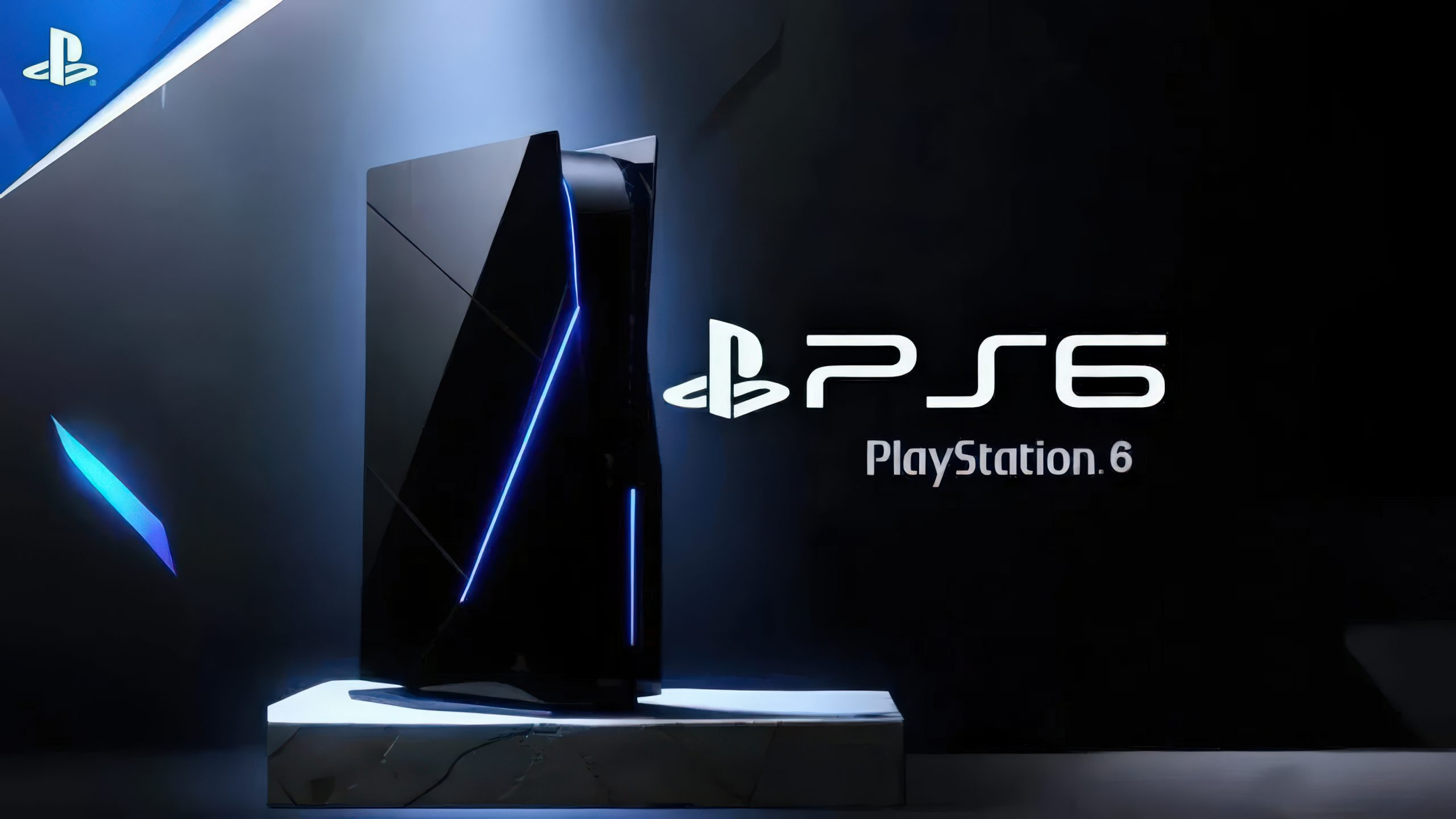
A new round of PlayStation 6 speculation is putting storage and physical media back at the center of the next generation conversation. According to AMD leaker Kepler_L2 in a recent NeoGAF discussion, the likely base specification behind the current PlayStation 6 bill of materials estimate points to a 1TB SSD and no disc drive, with the reasoning being that storage and optical hardware are among the clearest areas where Sony could cut cost on a premium next generation console. In the same follow up, Kepler_L2 also suggested that if the PS6 software development kit supports neural texture compression, game sizes could end up smaller than on PlayStation 5 despite the console using a relatively conservative internal SSD size.
That combination is easy to see as controversial. A 1TB SSD may sound modest for a future flagship system, especially at a time when premium games regularly occupy enormous chunks of storage, and a disc less PlayStation 6 would confirm a much more aggressive move away from physical media. At the same time, the direction itself would not be surprising. Sony launched the PlayStation 5 Digital Edition back in 2020 at $399.99, showing from day one that the company was already willing to treat a disc free console as a core product rather than a side experiment.
The more interesting part of the rumor is not the lack of a disc drive, but the mention of neural texture compression. Kepler_L2 did not specify whether he was referring to an AMD specific implementation or to the broader class of neural compression technologies now being discussed across the graphics industry. What is publicly visible today is that NVIDIA has already released a beta RTX Neural Texture Compression SDK, and the company says it has validated functionality not only on NVIDIA GPUs but also on AMD Radeon RX 6000 series and Intel Arc A series hardware. That matters because it shows the concept is no longer purely theoretical or limited to one graphics ecosystem.
If a console ready version of that kind of technology becomes practical, it could change how storage conversations are framed for the next generation. Neural texture compression is being explored as a way to reduce the memory and storage footprint of texture data dramatically compared with conventional approaches, which means developers could potentially ship far smaller game installs without sacrificing the same degree of visual detail. It is still too early to assume Sony has chosen any particular implementation, and there is no public confirmation from Sony that PlayStation 6 will support this feature. Even so, the idea fits the kind of cost balancing act a platform holder would want, especially if NAND pricing remains volatile and the industry keeps pushing larger asset quality targets.
That broader pricing context is important. Sony has just raised PlayStation 5 family pricing again in the United States, with the standard PS5 moving to $649.99, the PS5 Digital Edition to $599.99, and the PS5 Pro to $899.99 starting April 2, 2026. Those increases underline how much pressure memory and component costs are putting on console economics right now, which makes any rumored PS6 cost cutting measure much easier to understand. If Sony is trying to keep a next generation system within reach of the mainstream market, trimming optical hardware and holding the base SSD at 1TB would be among the most straightforward ways to do it.
From a product strategy perspective, the rumored approach feels coherent even if collectors will hate it. A digital first PlayStation 6 with smarter asset compression, a smaller baseline SSD, and optional external or upgraded storage paths would align with where the industry is already heading. The real challenge is not whether Sony can technically build that machine. It is whether players will accept a future where premium console pricing keeps rising while physical ownership keeps shrinking. That final point is analysis based on the NeoGAF post and Sony’s current PS5 pricing direction, not an official Sony statement about PS6.
For now, this remains a leak driven picture rather than a confirmed PlayStation 6 specification sheet. But if Kepler_L2 is even broadly correct, Sony may be preparing a next generation console that tries to solve the storage problem not by shipping a huge SSD, but by making games themselves materially smaller.
What matters more to you for PS6, a larger SSD and disc support, or a cheaper digital first console if neural compression can genuinely shrink game sizes?
