
Eidos Montréal Cuts 124 Jobs as Studio Head David Anfossi Departs Amid Project Reshuffle
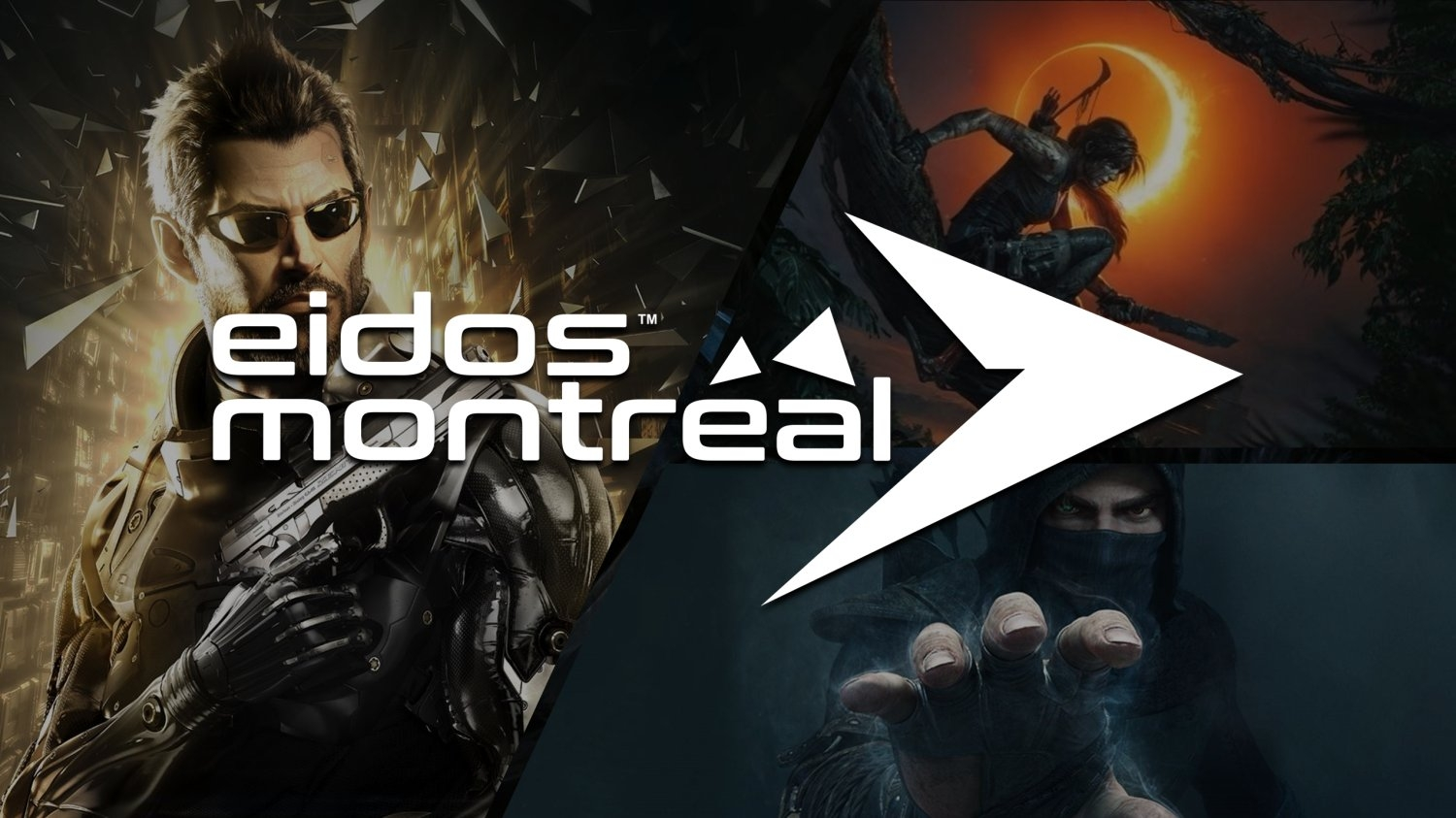
Eidos Montréal has confirmed another major round of layoffs, with 124 employees affected across production and support teams, while longtime studio head David Anfossi is also leaving the company. In its public statement shared on LinkedIn, the studio said the reduction was “a result of changing project needs and impacts across production and support teams,” adding that the decision reflects a need to adapt and concentrate efforts where Eidos Montréal can be most effective. Multiple reports also confirm that Anfossi, who had led the studio for more than a decade after joining as producer on Deus Ex: Human Revolution, is departing as part of the transition.
This is a significant blow for one of Montréal’s most recognizable studios, and it also reinforces a pattern that has become hard to ignore. Eidos Montréal had already gone through earlier cuts in January 2024, March 2025, and reported layoffs again in December 2025, as the studio struggled with shifting mandates, canceled projects, and an increasing reliance on support work rather than leading its own marquee releases. Reports from late 2025 said much of the studio’s focus had shifted toward co development support on projects such as Grounded 2 and Fable, after internal cancellations and changing priorities under Embracer.
That context matters because Eidos Montréal’s recent history has been defined less by shipped games and more by interruptions. The last major title it led to release was Marvel’s Guardians of the Galaxy in 2021, a game that earned strong critical praise but did not appear to create the long term momentum the studio needed. Since then, the studio has been repeatedly linked to canceled or stalled projects, including a canceled Deus Ex game reported in 2024 and further internal turbulence in 2025.
Anfossi’s departure adds another layer of uncertainty. He had been one of the studio’s most visible long term leaders, tied not only to Deus Ex: Human Revolution but also to projects such as Deus Ex: Mankind Divided, Shadow of the Tomb Raider, and later collaborative work with Microsoft partners. Eidos Montréal said a transition plan is underway and that more updates will come once new leadership is finalized, but for now the immediate priority is supporting those impacted by the layoffs.
From an industry perspective, this looks like more than a routine restructuring. It suggests Eidos Montréal is still trying to find a sustainable identity inside a market where premium game development costs remain high, publisher appetite for risk remains selective, and support studio work often becomes the fallback when internal originals fail to secure a clear path forward. That does not mean the studio is finished, but it does mean its next chapter will likely be shaped by whatever project leadership, publisher backing, and internal mandate survive this latest reset. That final point is analysis based on the studio’s statement and the broader reporting around its recent project history.
For a studio with Eidos Montréal’s legacy, the real loss is not just the number of jobs cut. It is the continued erosion of a team that once felt positioned to lead some of the industry’s most distinctive action and RPG franchises. Until the studio clearly shows what it is building next, this latest round will be read less as a strategic adjustment and more as another sign of a developer still searching for stable ground.
What do you think Eidos Montréal needs most right now, a new original project to lead, or a stronger long term publishing partner willing to let the studio rebuild around its own strengths?
