
Valve Accused of Removing Solitaire Game Featuring LGBTQ+ Art from Steam in Russia at the Request of the Russian Government
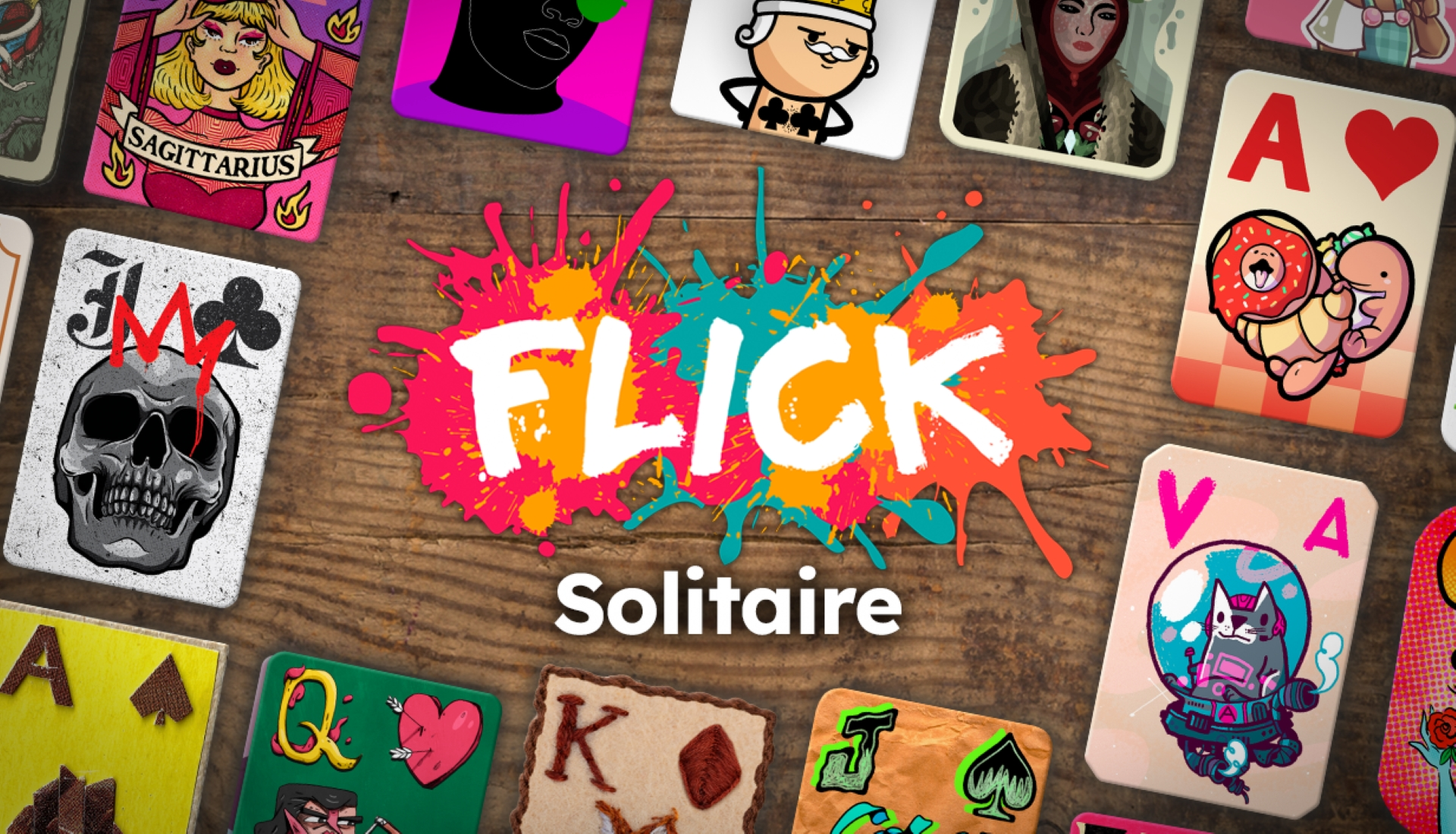
Valve is facing renewed criticism regarding the way Steam handles content moderation and platform compliance in countries with restrictive laws. The latest controversy involves Flick Solitaire, a free card game created by Flick Games. The studio and several industry observers claim that Valve removed the game from Steam in Russia at the request of the Russian government due to the inclusion of LGBTQ plus themed card decks. This happened while other major digital storefronts did not comply with the same government request.
According to a detailed report from Video Games Industry Memo, Flick Solitaire had been available on both the iOS App Store and the Google Play Store in Russia since 2020. However, after the game launched on Steam in October 2025, the Russian censorship authority known as Roskomnadzor allegedly contacted Valve, Apple, and Google with demands to remove the game from their platforms due to claims of promoting what the Russian government calls non traditional sexualities.
Both Apple and Google declined to remove the game. Valve, however, removed Flick Solitaire from Steam in Russia. The company also told developer Flick Games that the studio had failed to adhere to applicable laws within Russia, implying responsibility belonged to the developer for publishing content that did not comply with local regulations. Flick Games strongly disputes this implication, noting that Russia is only one of more than forty countries where LGBTQ plus content is criminalized and in which Flick Solitaire is available without censorship.
Ian Masters, founder of Flick Games, responded by stating that the studio has never self censored its LGBTQ plus content in any region. Masters emphasized that inclusive representation is essential for players living in countries where LGBTQ plus identities are criminalized. “Since launching Flick Solitaire, it has been available in over forty countries that criminalize LGBTQ plus people. Russia is only one of these,” he explained. “As we started adding decks celebrating Pride or created by openly queer artists, we did not self censor in any of these countries. It is incredibly important that LGBTQ plus people in these countries can see that others like them exist. It is one hundred percent normal and should be celebrated.”
The report notes that Google did not respond to Roskomnadzor at all, and Apple acknowledged receipt of the government notice but confirmed to Masters that it had no impact on the studio’s relationship with Apple or the status of the game on the App Store. As of this writing, Flick Solitaire remains fully available in both the Google Play Store and the App Store in Russia.
Industry analysis suggests that Valve was the only major platform to comply with Roskomnadzor’s request. Video Games Industry Memo states that the pressure from the Russian government was not substantial in this case, raising further concerns about the criteria Valve uses when deciding to remove content. This is also not the first time Valve has allegedly acted in response to Russian censorship authorities. A separate investigation from PC Gamer reported that Valve removed more than two hundred and sixty pieces of content from the Russian version of Steam following requests from Roskomnadzor.
Masters concluded by stating that the issue is fundamentally about human rights, not political culture wars.
“This is not wokeness. It is basic human rights and equality and nothing more,” he said. “If Steam cannot support free speech for LGBTQ plus people, then at the very least it should be transparent about this.”
The situation raises complex questions for digital distribution platforms, especially as global laws, expression rights, and platform responsibilities continue to intersect. As platform holders navigate regional regulations, developers and players remain concerned about how far companies will go to comply with government pressures that limit creative expression and human rights.
Where do you think global platforms should draw the line when local laws conflict with creative freedom and human rights
