
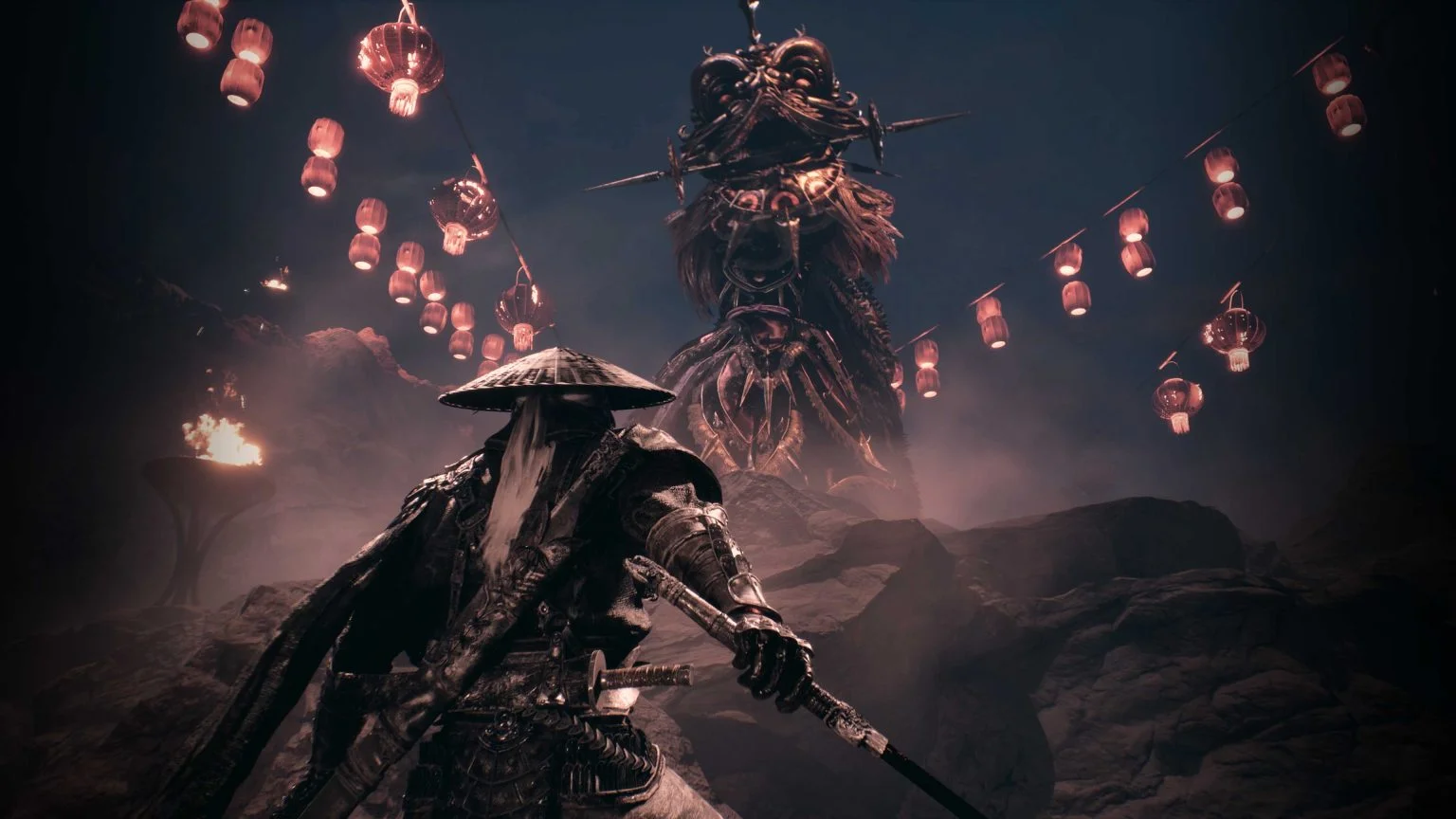
Phantom Blade Zero is receiving significant gameplay enhancements from its PC modding community, with 2 new modifications introducing a Nemesis system and an extreme difficulty overhaul inspired by Ninja Gaiden 2. Released on November 10, 2026, the projects expand S Game's action RPG with evolving enemy rivalries, stronger opponents, and relentless combat encounters. Both modifications arrive shortly after the game's first official update, demonstrating how community developers are already expanding its gameplay mechanics.
The first modification, The Nemesis System, was developed by FKAQ8 and introduces a mechanic similar to the recurring rival system found in the Middle Earth: Shadow games. When an enemy defeats protagonist Soul, that opponent can become a Nemesis, receiving a name, rank, distinctive traits, and increased combat capabilities. During subsequent encounters, players receive a character portrait identifying their rival and can pursue revenge. The modification supports multiple simultaneous Nemesis enemies, configurable ranks from 1 to 10, and optional integration with bosses, allowing previously defeated players to encounter increasingly dangerous versions of familiar opponents.
The system also allows players to customize how rivalries develop. Defeating a Nemesis can permanently remove that enemy's special status or simply reduce its rank, while different settings determine whether rivalries apply to individual opponents or entire enemy types. Traits such as Brutal, Armored, and Swift introduce additional variation, making repeat encounters less predictable. The modification requires compatible community tools, including PBZModLoader and Mods Menu, and remains an unofficial addition rather than a feature announced by S Game.
Meanwhile, modder DaMadKillah has introduced Ultimate Challenge: Path of the Master Ninja, an extensive difficulty overhaul inspired by Ninja Gaiden 2. Instead of simply increasing enemy health and damage, the modification dynamically generates additional enemy waves during normal campaign encounters. Reinforcements continue arriving until each wave is defeated, forcing players to manage positioning, defensive timing, and multiple simultaneous attackers. Additional enemies scale according to nearby opponents, preserving the difficulty characteristics of the current area while allowing players to customize wave sizes, enemy aggression, and reinforcement intervals.
The overhaul can also introduce additional enemies during boss encounters, although players can disable that feature through the configuration menu. This approach takes advantage of Phantom Blade Zero's combat system, particularly its directional blocking, parrying mechanics, and visual attack indicators. The result is a more demanding experience for players who have already completed the campaign or find the existing Hellwalker and 66 Days modes insufficiently challenging.
These projects follow S Game's first major Phantom Blade Zero update, released on November 4. According to the official patch notes, the update improved PC performance, reduced unnecessary ray tracing shader compilation, expanded control customization, and adjusted several combat encounters. It also reduced the frequency of Hua, Deadly Betrothed's grab attacks on Wayfarer and Pathbreaker difficulties without changing the harder modes.
Although the new modifications establish interesting possibilities for future gameplay improvements, S Game has not announced plans to introduce an official Nemesis system or equivalent difficulty overhaul. Both projects are currently available for the PC version through Nexus Mods, with compatibility and stability potentially affected by future game updates.
The emergence of these modifications highlights one of PC gaming's greatest advantages: the freedom to customize gameplay beyond the original developer's vision. Rather than simply increasing enemy statistics, both projects introduce mechanics that can meaningfully change combat encounters and improve replayability.
The Nemesis system is particularly interesting because it transforms ordinary defeats into persistent rivalries, creating new challenges through player interactions. Meanwhile, Ultimate Challenge demonstrates that higher difficulty can be achieved through intelligent encounter design rather than turning enemies into damage sponges.
S Game should continue prioritizing technical optimization and gameplay balance while supporting a healthy modding ecosystem. Community developers can experiment with ambitious mechanics without forcing those changes onto players who prefer the original experience.
Giving players more control over difficulty, gameplay systems, and modifications ultimately strengthens the value and longevity of PC games.
Would you like S Game to officially introduce a Nemesis system into Phantom Blade Zero, or do you prefer keeping extreme difficulty options and experimental gameplay mechanics exclusive to PC mods?
