
PC Manufacturers Warn They Cannot Sustain Current Pricing as DRAM Shortages Intensify
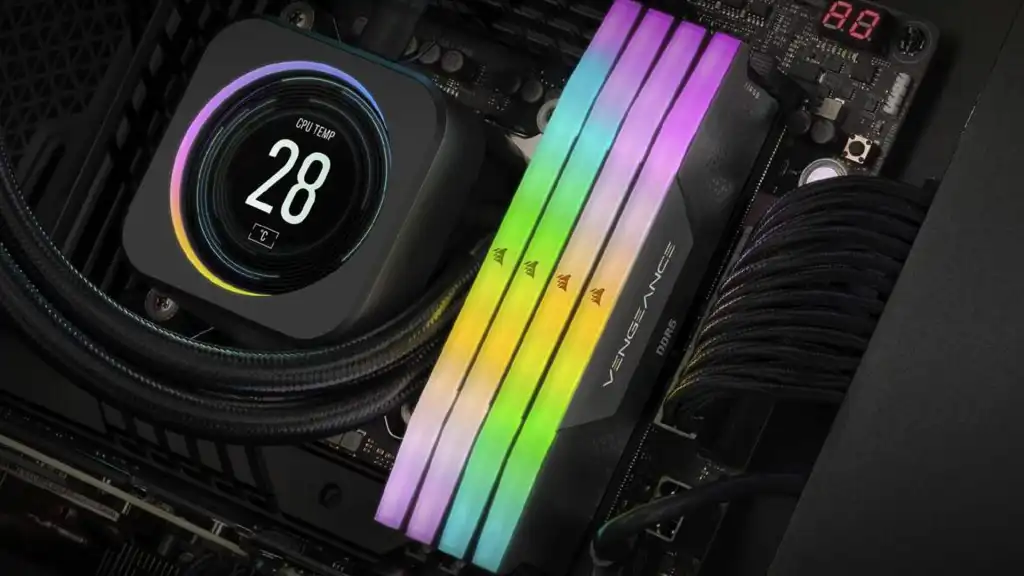
The global memory shortage has become one of the most disruptive developments in the PC industry, yet one of the most overlooked aspects is how deeply PC manufacturers are being affected behind the scenes. While consumer prices for laptops and prebuilt systems have not risen as sharply as stand alone RAM modules, many vendors have been relying on inventory stockpiled from previous quarters. That buffer is now reaching its limit. According to a report from ZDNet Korea, major PC vendors are already taking losses in order to maintain current pricing levels.
The report cites an anonymous supply chain source who stated that PC manufacturers operate in an environment where even a one cent increase in production cost is treated with extreme sensitivity. A rise of several dollars can have a measurable impact on margins, and when production costs increase by tens of dollars, losses become unavoidable.
The source explains that supply prices for core components have risen sharply, including processors, batteries, SSDs and memory modules. As a result, PC vendors anticipate raising prices for new devices coming next year by no less than twenty percent and accelerating the phase out of existing models. According to the report from ZDNet Korea, manufacturers have no choice but to discontinue current products and adopt higher pricing structures to avoid unsustainable financial pressure.
One of the root causes behind the price hikes is the shift in DRAM production strategy among memory giants such as Samsung and SK hynix. Both companies are allocating a significant portion of their manufacturing capacity to AI related products including high bandwidth memory and low power DRAM for data centers. This shift prioritizes profitability and focuses production where demand is strongest, which unfortunately leaves consumer grade memory with limited allocation. PC vendors seeking supply must therefore purchase DRAM at substantially higher contract prices. Even when vendors are prepared to absorb the higher cost, DRAM suppliers continue to prioritize AI sector commitments.
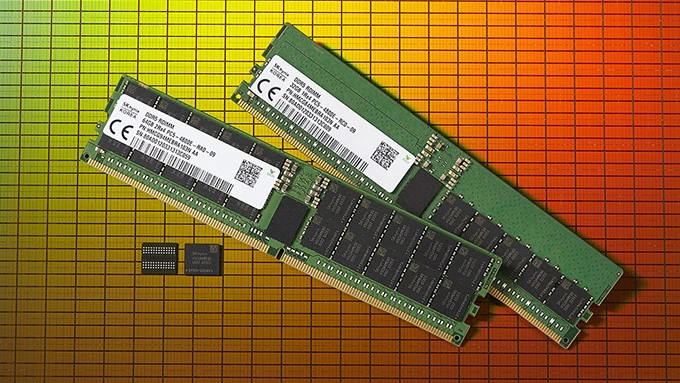
The report also warns gamers and PC builders that a twenty percent price increase across next generation components is expected. This projection aligns with industry wide rumors regarding upcoming graphics card price increases. Next generation systems built on Intel Panther Lake and AMD Gorgon Point architectures are projected to be considerably more expensive as manufacturers including ASUS, Acer and Lenovo no longer possess sufficient inventory reserves to keep pricing stable.
Looking ahead, expanding DRAM production is not a straightforward solution. Memory manufacturers remain cautious about the possibility of oversupply, which has historically resulted in severe market volatility. This concern restricts the willingness of producers to increase output quickly. As a consequence, the PC industry is likely to experience a prolonged period of supply constraints for DRAM driven products.
All current indicators suggest that building a PC next year will be significantly more expensive than it is today. Rising component costs, supply chain prioritization for AI workloads and limited inventory among PC vendors are converging to create a difficult environment for both consumers and manufacturers.
Do you think PC vendors should absorb more of the cost or is a price increase across next generation PC hardware now unavoidable
