
Paradox Reveals Afterworld, a Post Apocalyptic Grand Strategy Game Set Across North America
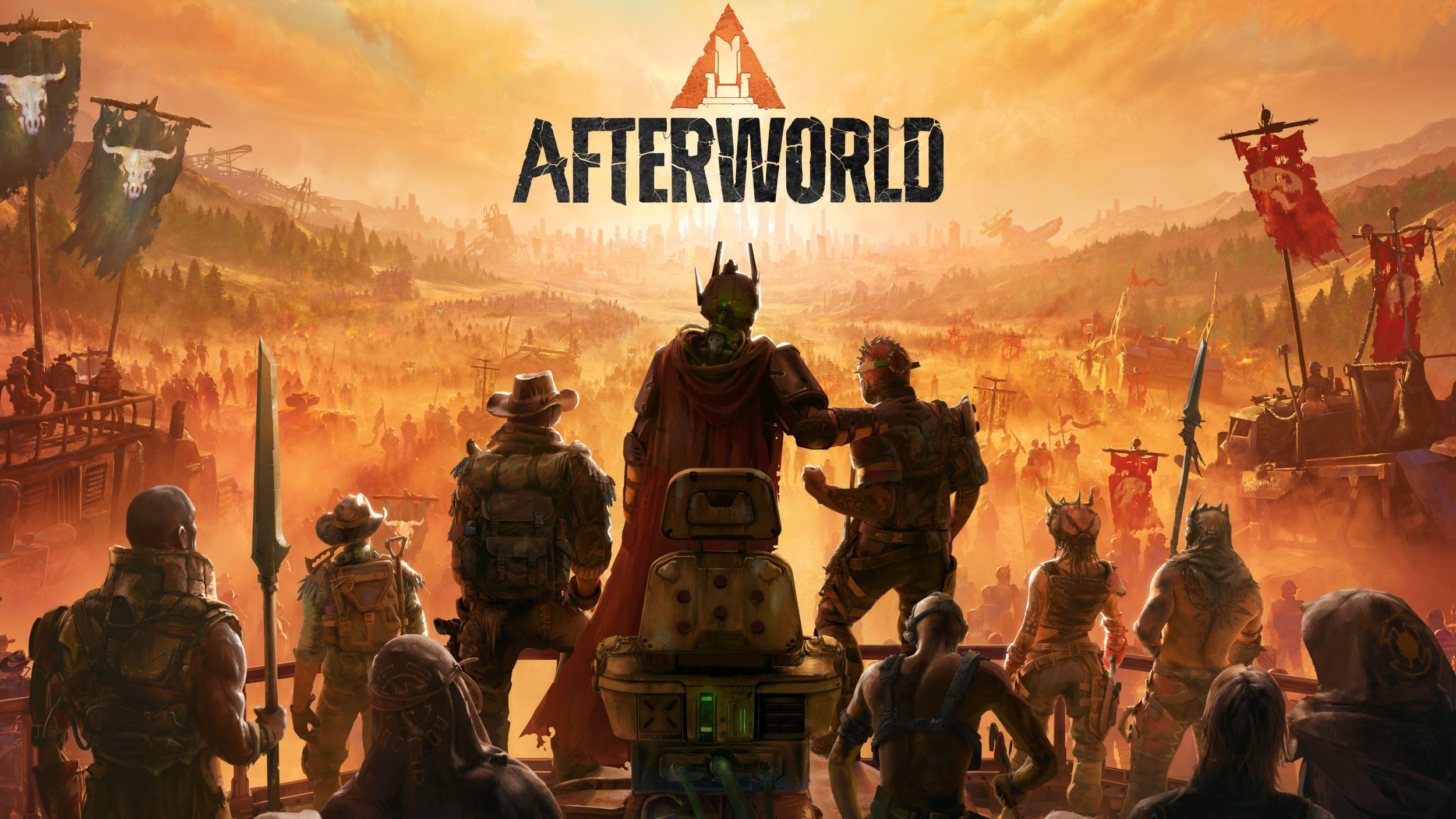
Paradox Interactive has officially revealed Afterworld, a new post apocalyptic grand strategy game from Paradox Development Studio, the team behind Crusader Kings III and Hearts of Iron IV. Announced during Gamescom 2026, the new IP takes Paradox away from traditional historical settings and places players in a procedurally generated version of North America where civilization has collapsed and small groups of survivors are beginning to rebuild. Afterworld is currently confirmed for PC through Steam, although Paradox has not yet announced a release date.
Players begin with only a small group of survivors and must gradually transform that community into an empire capable of controlling large parts of the continent. Different Origins define how each campaign begins, including shelterfolk emerging from a failing nuclear bunker and religious zealots searching the wasteland for their goddess. Food, water and fuel immediately become strategic priorities, while settlements must adapt as resources disappear and new threats emerge. Entire communities can eventually migrate when an area can no longer sustain them, meaning the first settlement does not necessarily remain the center of an expanding civilization.
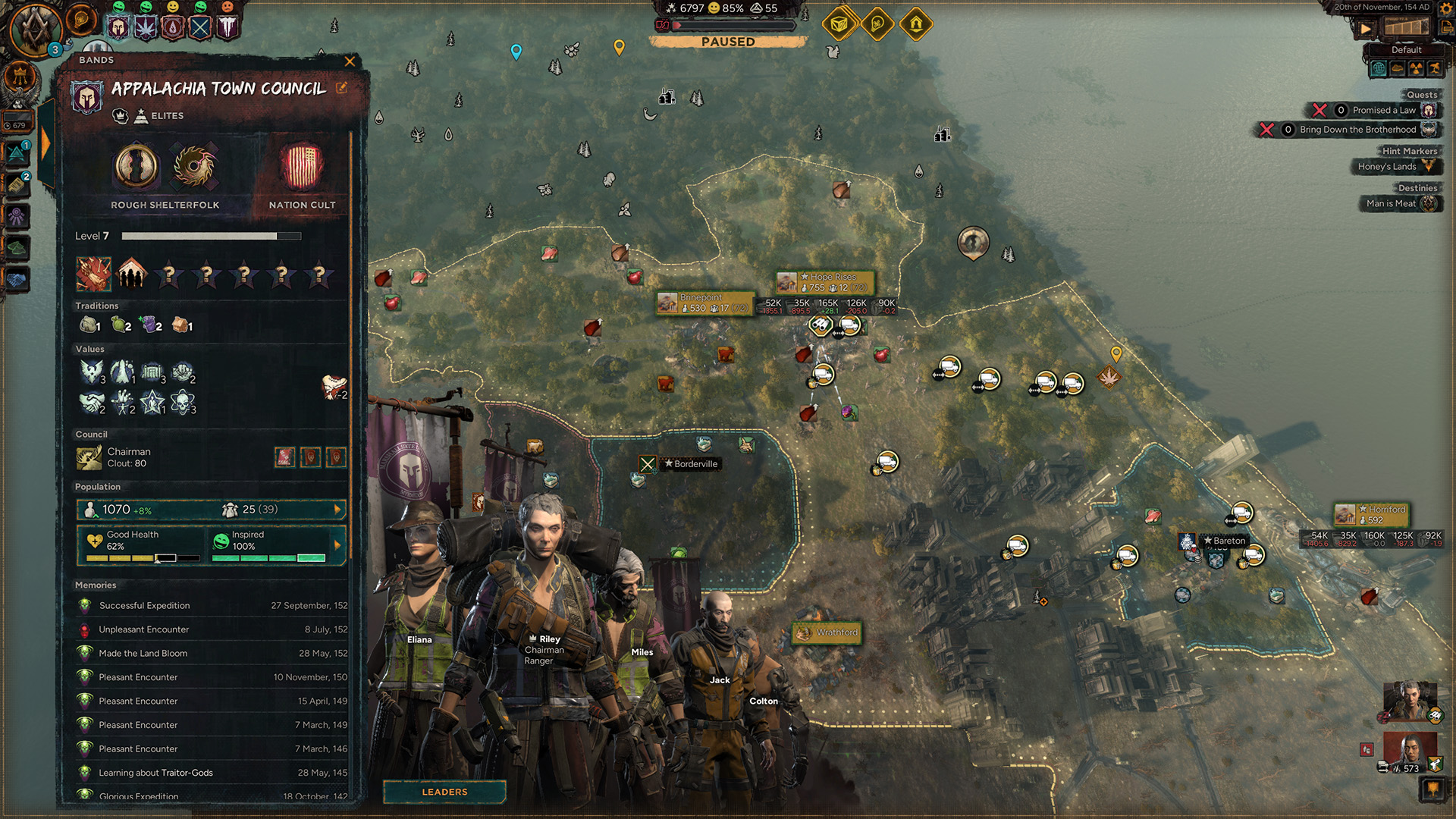
North America retains recognizable geography, but resources, competing tribes and dangers change between campaigns. This procedural structure is designed to produce different strategic situations during every playthrough while keeping the continent geographically familiar. Players can establish settlements, organize convoys and supply networks, negotiate with rival tribes, absorb other populations or take resources through military force. Cooperative and competitive multiplayer will also be available alongside the single player experience.
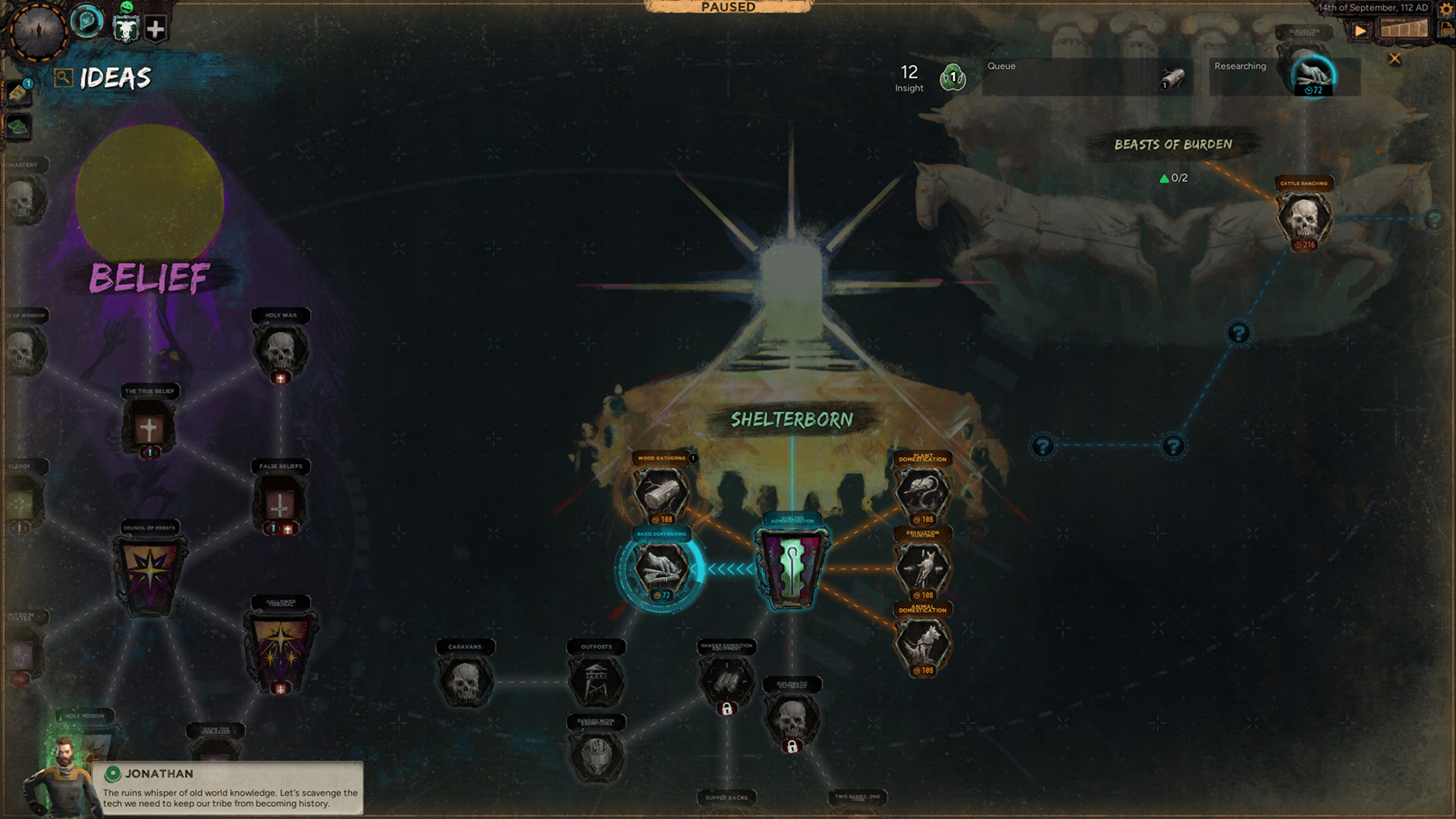
Technology progression takes a more reactive approach through the Ideas Tree. Instead of presenting every possible advancement from the beginning, new knowledge becomes available according to what the player's society actually experiences. Discovering a river can introduce irrigation, while encountering another civilization with organized religion can unlock related social concepts. Exploring ruins also allows survivors to recover technology left behind before the collapse, creating opportunities to accelerate development through discoveries rather than simply waiting for research timers.
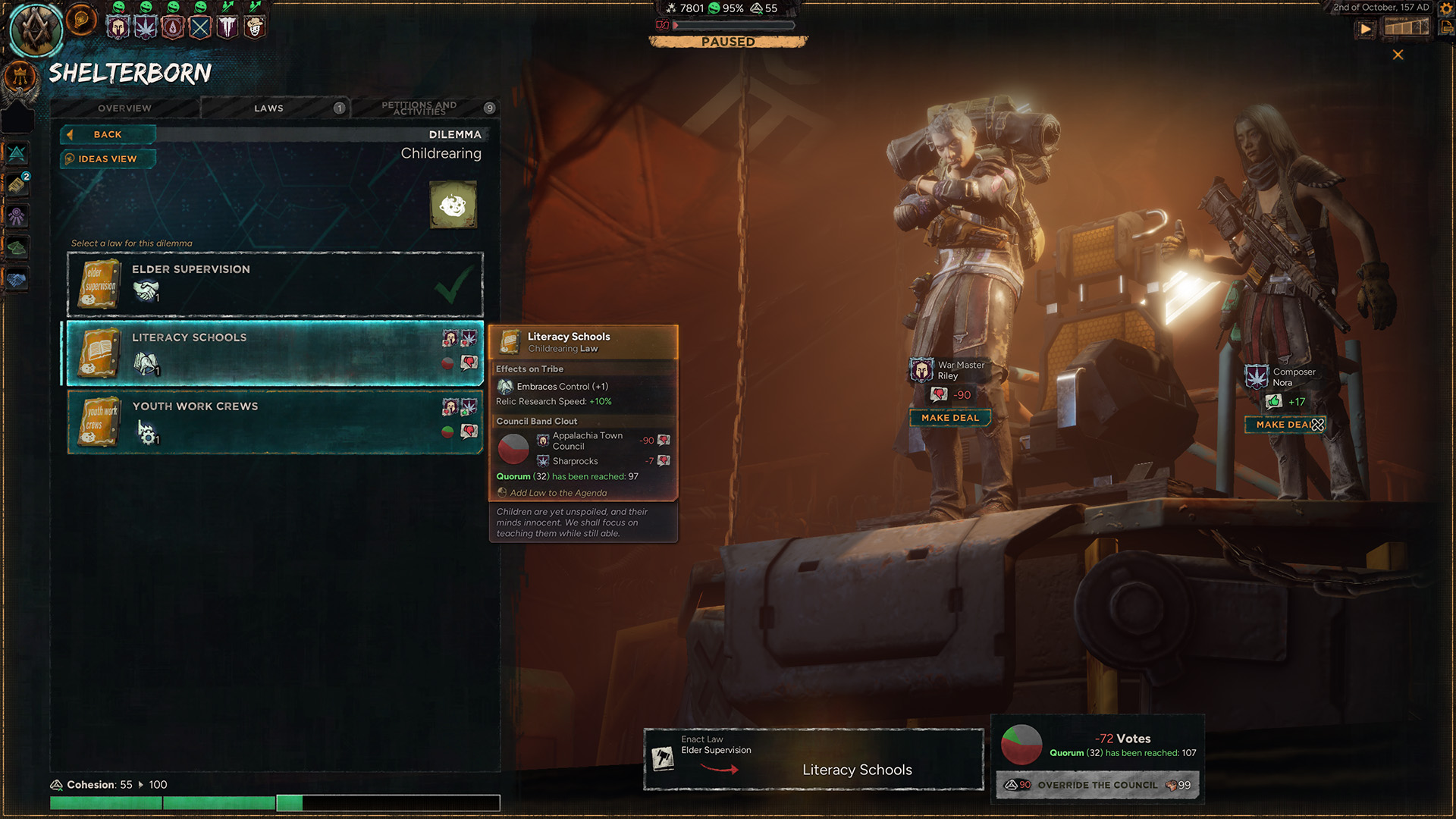
Political decisions become increasingly important as the population grows. Players determine who receives scarce resources, who has political influence and what principles define the new society. Those decisions can change as new technologies, religions and social groups emerge, while shortages and political mistakes can trigger famine, instability or even fracture an empire. Afterworld also introduces the Ancients, immortal leaders who survived the previous civilization through forgotten technology and now have their own plans for the reconstructed world.
"Afterworld is Paradox's first non historical setting in a decade, and I can't wait to see what stories our players will tell with it." Quote by: Dan Lind, Game Director. Lind explained that Paradox has been able to create this world from the beginning and then destroy it before the player's story even starts, leaving fragments of the old civilization for players to rediscover while deciding what should replace it.
Afterworld looks particularly interesting because Paradox is applying its familiar grand strategy philosophy to a world where institutions have not already been established. Crusader Kings and Hearts of Iron begin with recognizable governments, borders and political systems. Afterworld instead asks players to create those structures themselves. The dynamic Ideas Tree, migration system and changing social laws could make rebuilding civilization just as important as conquering territory. If Paradox can preserve the deep simulation its audience expects while making the early survival phase genuinely accessible, Afterworld could become one of the studio's most distinctive strategy projects since Stellaris.
Does a post apocalyptic setting make you more interested in Paradox grand strategy, or would you rather see the studio explore a fantasy universe next?
