
NVIDIA’s Trillion Dollar Dinner With Taiwanese Partners Highlights Why Jensen Huang Keeps NVIDIA Ahead in the AI Supply Chain
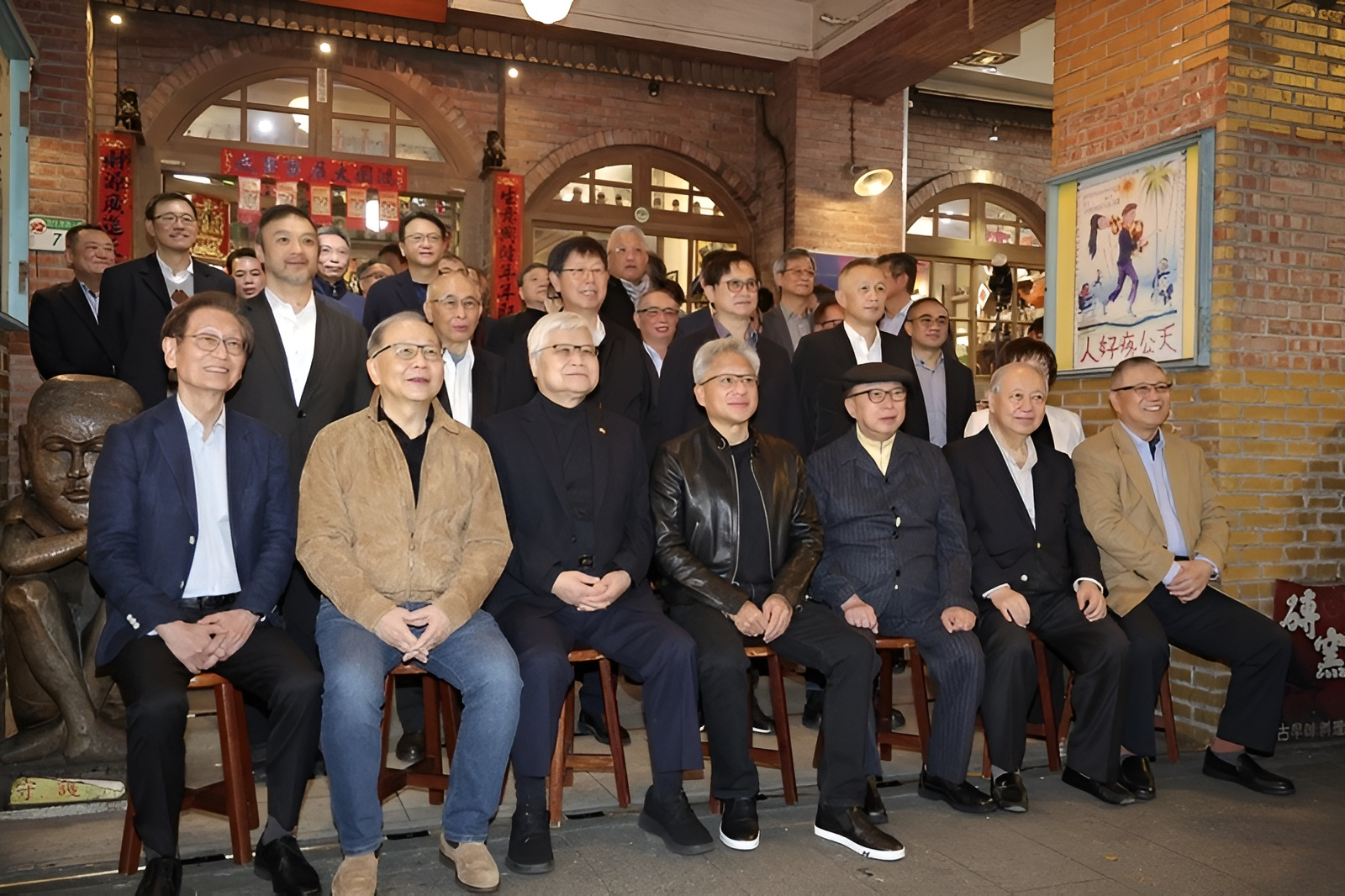
NVIDIA’s latest Taiwan visit put the spotlight on a playbook the company has refined for years: treat the supply chain like a strategic alliance network, not a transactional vendor list. The so called trillion dollar dinner brought together top Taiwanese executives across manufacturing, servers, components, and platform enablement, reinforcing why NVIDIA consistently stays resilient even as the broader market deals with constraints across DRAM, NAND, silicon capacity, and advanced packaging.
At a time when AI infrastructure demand forces every major player to fight for allocation, NVIDIA’s advantage is not only what it designs, but how fast it can reliably ship at scale. CEO Jensen Huang has built a relationship driven model that keeps Taiwan’s ecosystem tightly aligned with NVIDIA’s roadmap, from early production planning through system integration and final delivery. This is why NVIDIA can move quicker through product cycle transitions, absorb shocks, and maintain a more predictable output cadence than competitors who rely on slower, more fragmented partner coordination.
Taiwanese media coverage around this trip emphasized the presence of TSMC leadership including CEO C.C. Wei, alongside senior figures from MediaTek, Foxconn, Wistron, and Quanta Computer. The optics matter, but the mechanics matter more. These dinners function like executive level synchronization points, where NVIDIA reinforces priority alignment, validates readiness across multiple tiers, and keeps execution risk contained before it becomes a public problem.
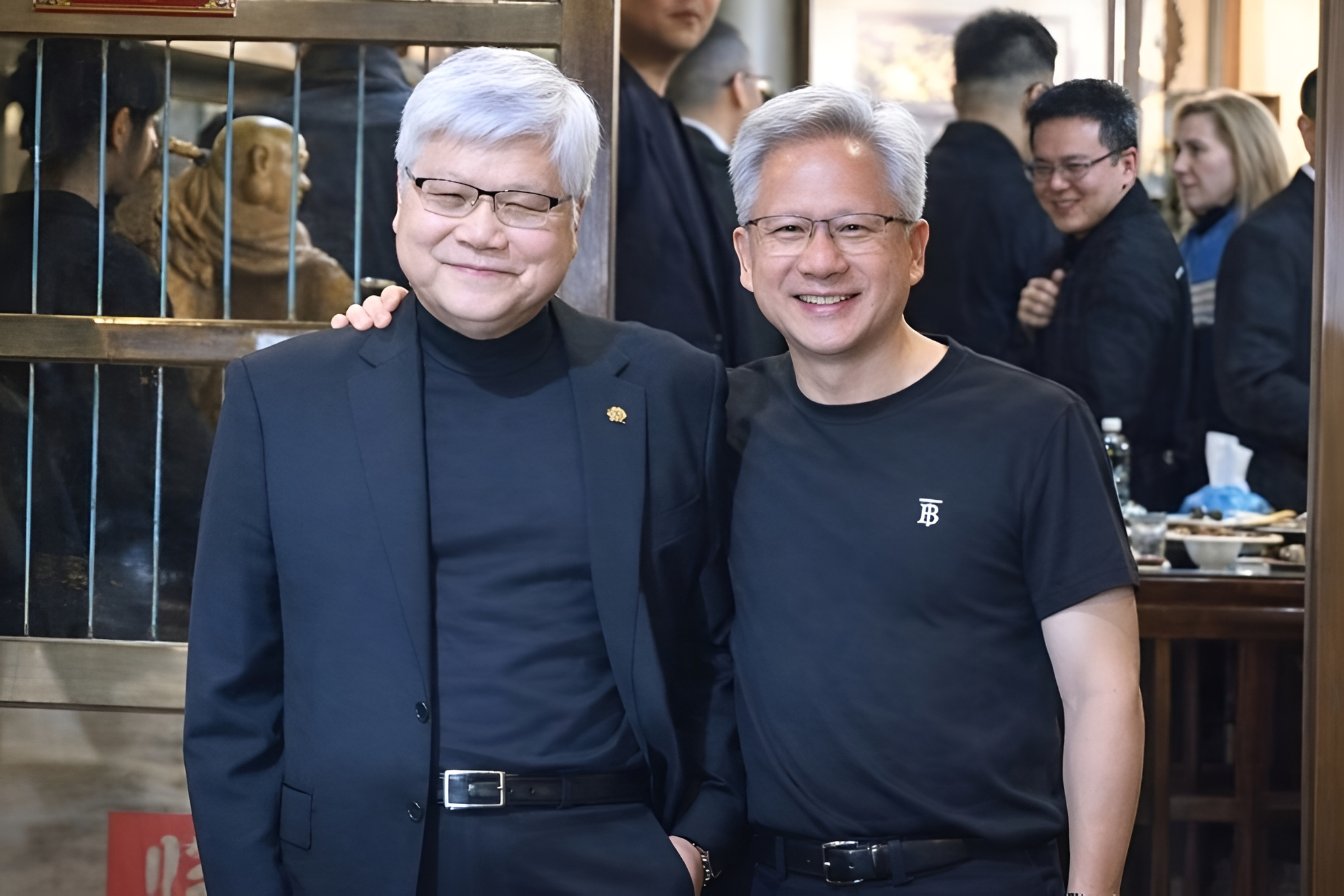
A practical way to understand this is to map the supply chain as NVIDIA’s operational stack. Below is the partner structure highlighted in your brief, showing how Taiwan anchors nearly every critical layer of AI infrastructure delivery.
| Supply Chain Element | Key Partners |
|---|---|
| Semiconductors (Frontend and Backend) | TSMC, MediaTek, SPIL |
| AI Server Partners | Foxconn, Inventec, Wiwynn, Wistron, Pegatron, Compal, Quanta Computer |
| PC, Consumer and AI Brands | ASUS, Acer, MSI, GIGABYTE |
| Power Electronics and Thermal Solutions | Delta Electronics, AVC, Lite-On |
| Industrial AI and Edge Systems | Advantech |
| Industrial Internet and Smart Manufacturing | Foxconn Industrial Internet (Fii) |
| PCB, Materials and Core Components | Victory Giant Technology |
This is also why NVIDIA can make bold claims about continuity in the middle of shortages. When a company consistently shows up, shares the spotlight, and keeps partners economically motivated to invest ahead of demand, those partners have stronger incentives to prioritize execution. It becomes a flywheel: NVIDIA’s volume and roadmap clarity drives partner capex, partner capex drives NVIDIA capacity, and that capacity reinforces NVIDIA’s lead in the next cycle.
One quote that captures the relationship dynamic came from a Taiwanese media interview where Jensen implied NVIDIA would not exist without Taiwan, a statement that doubles as a strategic acknowledgment and a public reinforcement of the ecosystem’s value.
For gamers and PC enthusiasts, the reason this matters is downstream impact. When NVIDIA secures smoother access to advanced packaging, server assembly, and key components, it reduces the chance that AI demand will fully choke off the broader supply chain. It does not guarantee perfect availability for consumer products, but it improves NVIDIA’s ability to keep product cycles moving, even when the market gets messy.
Do you think NVIDIA’s partner first strategy is the main reason it stays ahead, or will competitors eventually match this model once AI infrastructure becomes the default business priority?
