
“NVIDIA Wouldn’t Exist Without Gaming,” Says Microsoft CEO, but the Industry That Built It Now Feels Increasingly Sidelined
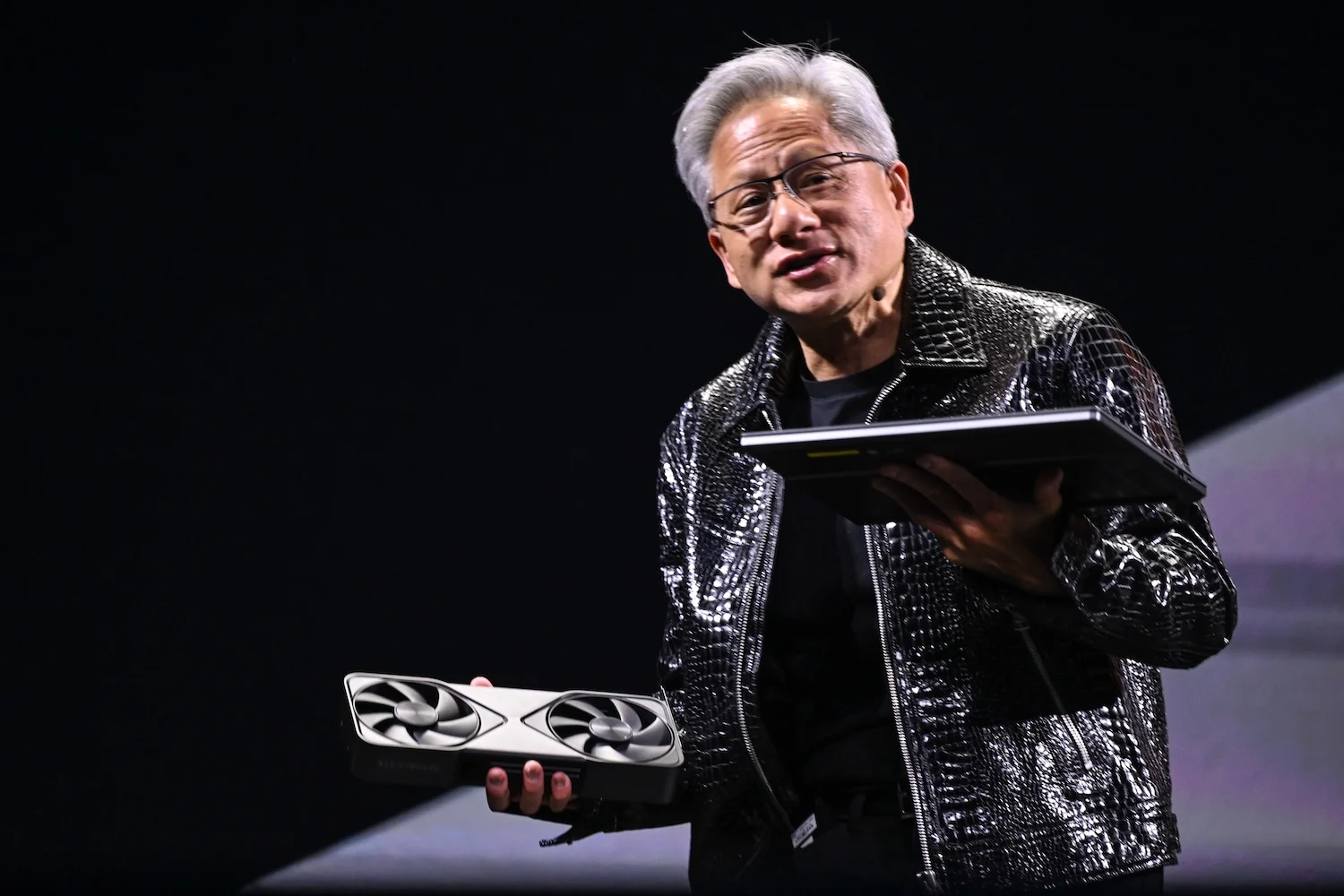
Microsoft CEO Satya Nadella recently made a pointed observation about NVIDIA’s roots, joking that without gaming, the company as we know it likely would not exist. Speaking in a Microsoft discussion covered by Windows Central, Nadella tied NVIDIA’s rise to the era when gaming pushed graphics technology forward, adding that without DirectX, the broader GPU and acceleration revolution may not have unfolded the same way. The line may have been delivered as a joke, but the point underneath it was serious: gaming did not just help NVIDIA grow, it helped define the technological foundation that later made AI acceleration possible.
That context matters more than ever in 2026, because NVIDIA today is a very different company from the one that built its identity around PC graphics. The business has been transformed by AI demand. In its latest official results, NVIDIA reported 68.1 billion dollars in quarterly revenue for Q4 fiscal 2026, including 62.3 billion dollars from the data center segment alone. By comparison, gaming revenue for that same quarter came in at 3.7 billion dollars. For the full fiscal year, NVIDIA reported 193.7 billion dollars in data center revenue and 16.0 billion dollars in gaming revenue. Those numbers do not suggest that gaming is irrelevant, but they do show exactly where the company’s center of gravity now sits.
That is why Nadella’s comment lands with unusual force. NVIDIA’s current dominance in AI did not appear in a vacuum. The company itself has repeatedly connected today’s AI era back to its graphics heritage. In an official retrospective published for the 25th anniversary of the GeForce 256, NVIDIA described that product as the world’s first GPU and said it helped lay the groundwork not only for gaming progress, but also for modern AI. In other words, the path to Blackwell, hyperscale inference, and trillion dollar valuation began with a company trying to solve rendering problems for gamers.
This is where the tension becomes harder to ignore. NVIDIA still talks proudly about gaming and still launches GeForce products, but the strategic incentives are now overwhelmingly tilted toward enterprise and AI infrastructure. That shift is not just theoretical. Reporting from the past month indicates that NVIDIA’s RTX 50 Super refresh has been delayed, with supply and memory constraints cited as key factors, while the company continues prioritizing the far more lucrative AI market. That does not mean NVIDIA has abandoned gaming, but it does mean the gaming side increasingly feels like it is being managed inside the limits left behind by the AI business, rather than driving the company’s future direction itself.
For gamers, that distinction matters. A company can still sell gaming GPUs while no longer treating gaming as the main engine of innovation or supply priority. The practical result is familiar: tighter availability, slower refresh cycles, heavier dependence on AI assisted rendering technologies, and a growing sense that native performance progress is no longer the clear headline. NVIDIA’s official gaming highlights now sit alongside AI PC features like DLSS 4.5 and broader AI positioning, which shows how much the GeForce story itself is being reframed through AI language.
To be clear, this does not make NVIDIA’s strategy irrational. From a corporate standpoint, the company is following the largest opportunity in front of it, and right now that opportunity is massive. Enterprise customers are buying AI infrastructure at a scale that consumer gaming simply cannot match. The issue is not that NVIDIA is making a poor business decision. The issue is that the ecosystem which helped build NVIDIA into a category defining company now feels increasingly like a secondary concern in the public narrative and, at times, in the market reality too. That is the emotional and strategic gap Nadella’s comment exposes so effectively.
There is also a broader industry lesson here. Gaming has often served as the proving ground for technologies that later scale into something much larger. DirectX, programmable shaders, GPU compute, and eventually AI acceleration all benefited from that cycle. When Nadella says he jokes with Jensen Huang that NVIDIA would not exist without gaming, he is really highlighting how consumer demand, game development, and graphics innovation created a launchpad for one of the most important technology companies in the world. If that same ecosystem now feels left behind, the frustration is not nostalgia. It is a recognition that the original innovation loop is no longer being rewarded in the same way.
NVIDIA is still a gaming company in one sense. GeForce still matters, PC gaming still matters, and gaming revenue on its own would be a major business for most firms. But the hierarchy has changed. AI is now the headline, the growth engine, and the supply priority. Nadella’s remark cut through the noise because it reminded everyone of the simple truth underneath the hype cycle: before NVIDIA became the backbone of the AI boom, it became indispensable by helping games look, run, and evolve the way they did.
That history is still worth respecting. Right now, many players would argue it is also worth serving better.
What do you think: has NVIDIA simply evolved with the market, or has gaming paid too high a price for the AI boom?
