
NVIDIA Reportedly Stops Supplying GDDR Memory to AIB Partners, Directs Them to Source VRAM Chips Independently
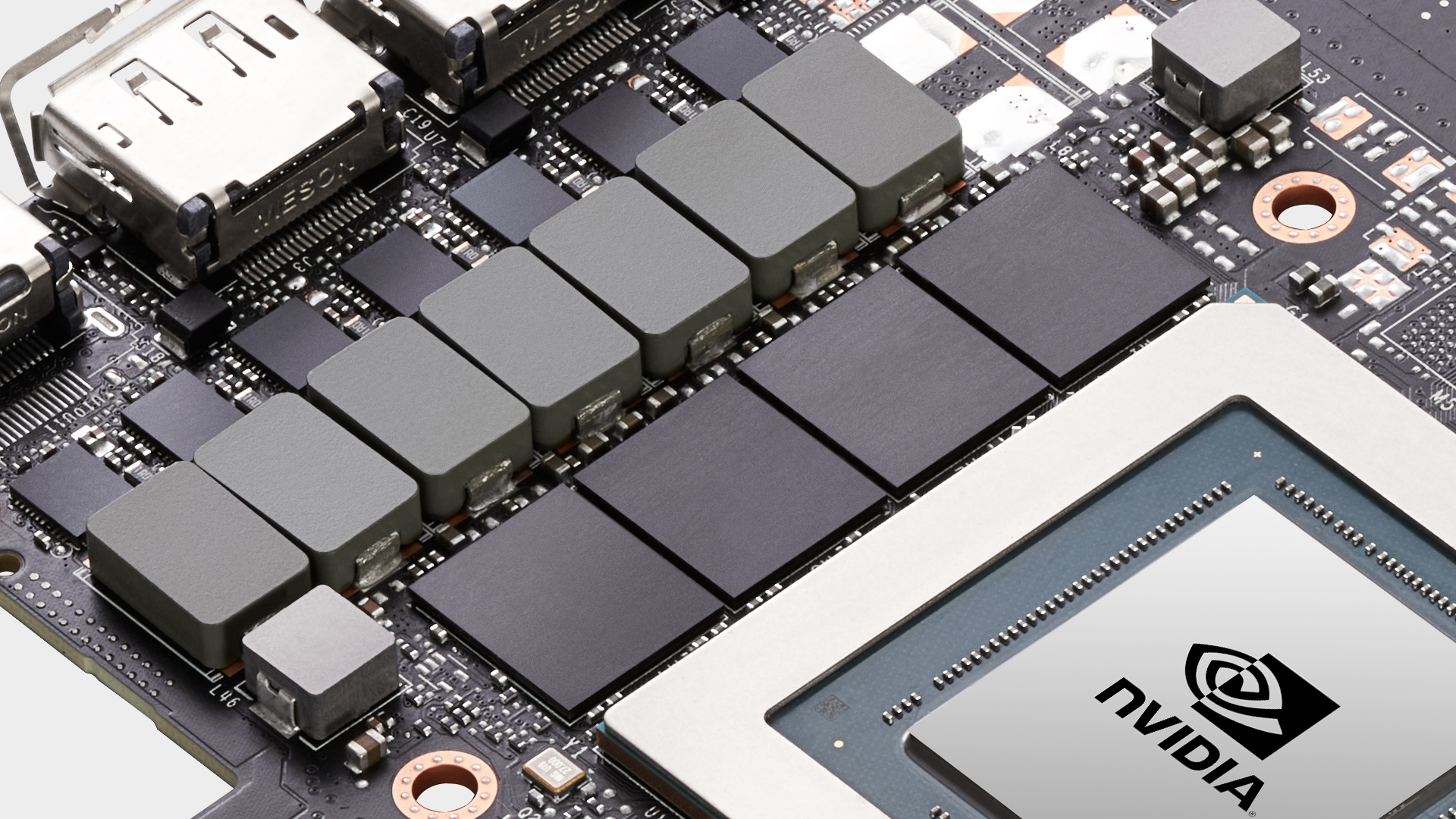
A new report circulating on Weibo suggests that NVIDIA has halted the long standing practice of bundling GDDR memory chips with its GPU dies for add in board partners. The claim originates from the well known leaker Golden Pig Upgrade, who reports that NVIDIA has told its AIBs to begin sourcing their own VRAM due to severe supply constraints driven by the ongoing AI hardware boom.
Under normal circumstances, NVIDIA provides GPU dies and the accompanying GDDR memory while board partners handle PCB design, power delivery, cooling and assembly. According to the report, this workflow has now changed. AIBs will need to obtain VRAM directly from memory manufacturers instead of relying on NVIDIA’s pre bundled supply.

The situation stems from overwhelming demand at Samsung, Micron and SK Hynix, the primary suppliers of GDDR6 and GDDR7. These companies are now allocating enormous production capacity toward AI accelerators, high bandwidth memory and data center products. As a result, availability of traditional gaming VRAM has tightened significantly.
For larger AIBs with existing supply chain relationships, independent sourcing may not cause serious disruption. However, smaller GPU vendors could face major challenges. Without established procurement networks, these companies may struggle to secure enough GDDR memory at competitive pricing, potentially squeezing margins or reducing production volumes.
The shortage affects both current generation memory formats. GDDR6 and GDDR7 are used across the AMD Radeon RX 9000 lineup and the NVIDIA GeForce RTX 50 series. While the report focuses on NVIDIA’s changing policy, there is no indication that AMD has adopted a similar sourcing approach, though both companies are exposed to the same memory supply limitations.
The news aligns with broader industry warnings. MAINGEAR’s CEO recently stated that global memory supply is likely to worsen as AI related demand continues to accelerate. At the same time, Samsung has begun mass production of 3 GB GDDR7 modules rated at 28 Gbps, but adoption will be slow. These specific chips are expected to be used in the upcoming RTX 50 Super series, which itself is rumored to be delayed to the third quarter of 2026 due to the same supply issues.
It is important to note that NVIDIA has not issued an official statement confirming the change. However, Golden Pig Upgrade has a solid track record, and the report is consistent with market indicators including rising VRAM prices and extended lead times across memory manufacturers.
If accurate, the shift could reshape the AIB landscape and strain small to mid sized GPU vendors who rely on NVIDIA’s previously centralized allocation model. With VRAM now competing for wafer priority alongside high margin AI products, the gaming GPU supply chain faces another pressure point heading into 2026.
Do you think NVIDIA’s reported shift will lead to higher GPU prices, or will large AIBs stabilize the market by securing long term VRAM contracts
