
NVIDIA Reportedly Passes Another 300$ Cost Hit to RTX 5090 Partners as GDDR7 Pressure Keeps Pushing
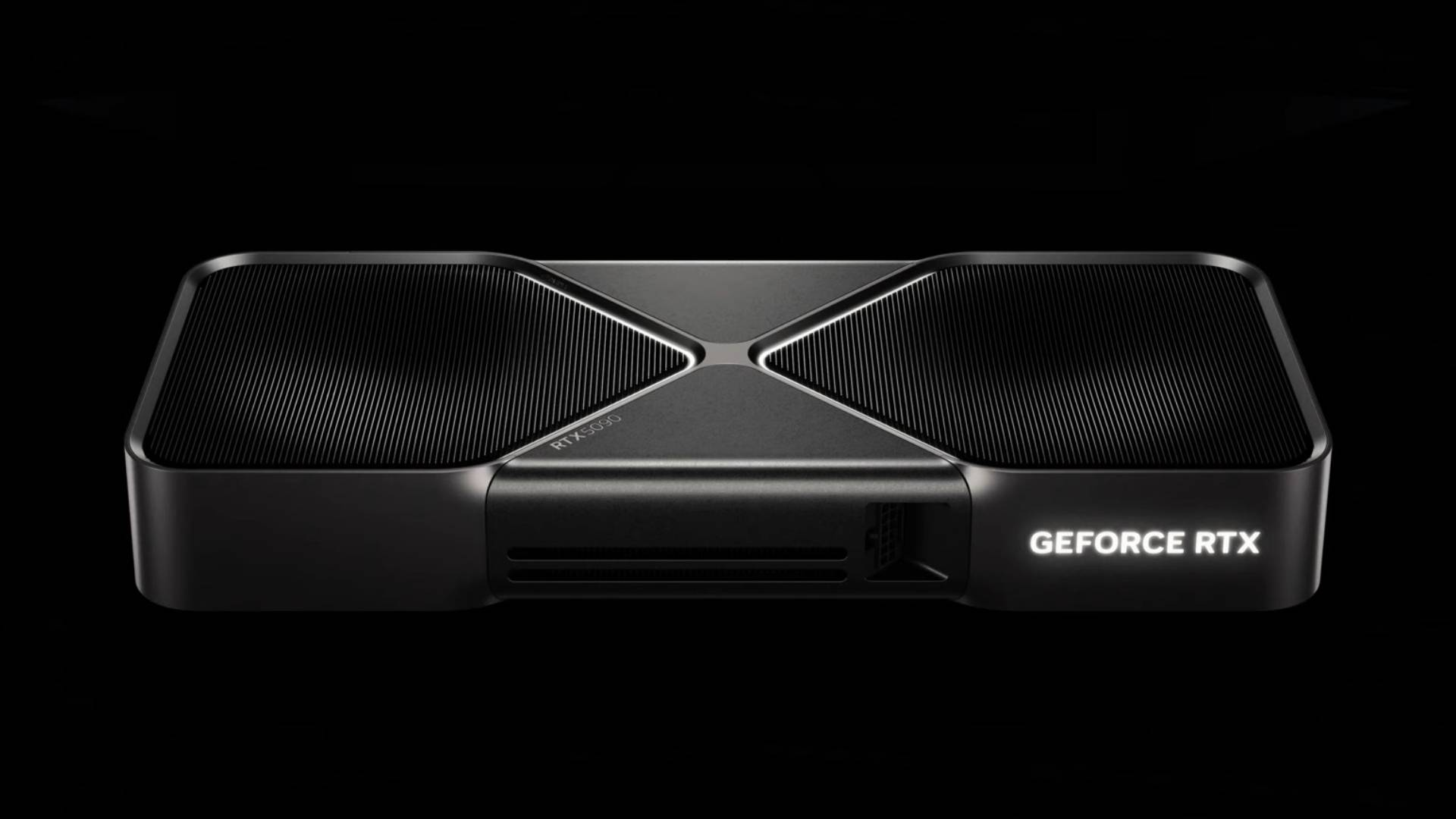
NVIDIA’s GeForce RTX 5090 may be heading for yet another round of price inflation, but this time the trigger appears to be memory procurement rather than launch scarcity alone. According to a new report from Board Channels, NVIDIA has reportedly informed board partners of another cost increase tied to rising GDDR7 sourcing expenses, with the hit said to be around 300$ per card for both the RTX 5090 and the RTX 5090 D V2. That figure has not been publicly confirmed by NVIDIA, so for now it should be treated as supply chain reporting rather than official pricing guidance.
What makes the rumor more believable is that it fits the broader market pattern already surrounding the RTX 5090. NVIDIA’s official launch price for the GeForce RTX 5090 remains 1,999$, and the company still presents the card as starting at that level with 32GB of GDDR7 memory. In practice, however, real world availability has been far messier, with current Best Buy marketplace listings on the same product page ranging from 1,999.99$ up to 4,399.99$, showing just how far actual street pricing has drifted from NVIDIA’s baseline.
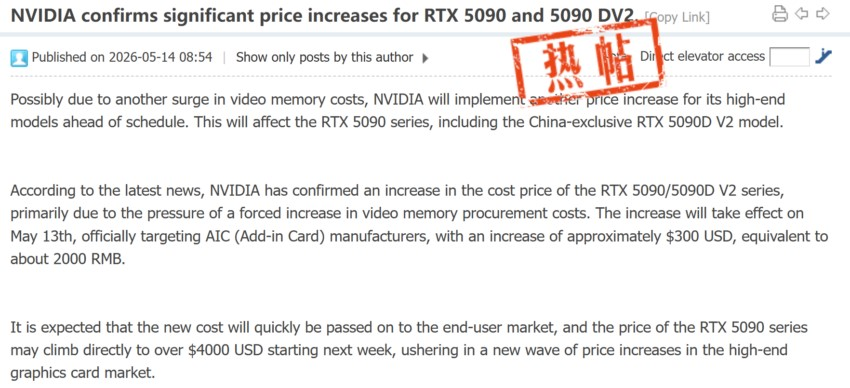
If the Board Channels report is accurate, this would not represent a new MSRP in the traditional consumer sense. Instead, it would be an upstream cost increase passed from NVIDIA to add in board partners, who would then have little room to absorb the difference on a product that is already operating in a distorted retail environment. That is why the bigger concern is not whether NVIDIA formally announces a new launch price, but whether partner cards that are already hovering at extreme levels start climbing even further in the coming weeks.
The memory angle is also not coming out of nowhere. Earlier reporting from Tom’s Hardware described a worsening memory crunch tied to heavy AI demand and said NVIDIA had reportedly shifted more VRAM sourcing responsibility onto board partners, forcing them to procure memory separately rather than relying on bundled supply. That earlier report was also rumor based, but taken together with this new Board Channels claim, it paints a consistent picture of a flagship GPU segment under ongoing cost pressure from the GDDR7 side of the bill of materials.
That still leaves an important line between rumor and fact. NVIDIA has not publicly announced a new RTX 5090 price, and there is no official statement saying consumers should expect a 300$ jump next week. What is fair to say is that the RTX 5090 market is already operating far above the official 1,999$ entry point, and any new cost increase at the partner level would likely worsen an already inflated situation rather than create it from scratch. In that sense, the real story is less about a sudden move toward 5,000$ and more about how fragile flagship GPU pricing remains when premium memory supply stays tight.
For buyers, the practical takeaway is simple. The RTX 5090 is still officially a 1,999$ card, but the market has not behaved that way for a long time. If GDDR7 procurement costs continue rising and NVIDIA is indeed pushing another 300$ burden onto partners, then the flagship end of the consumer GPU stack could become even more detached from its launch positioning in the months ahead.
Do you think the RTX 5090 price spiral is now mostly a memory supply problem, or has the high end GPU market simply accepted that flagship cards no longer need to stay anywhere near launch pricing?
