
NVIDIA OPP Reportedly Ends, Der8auer Warns MSRP RTX 50 GPUs May Disappear as AIB Pricing Pressure Ramps
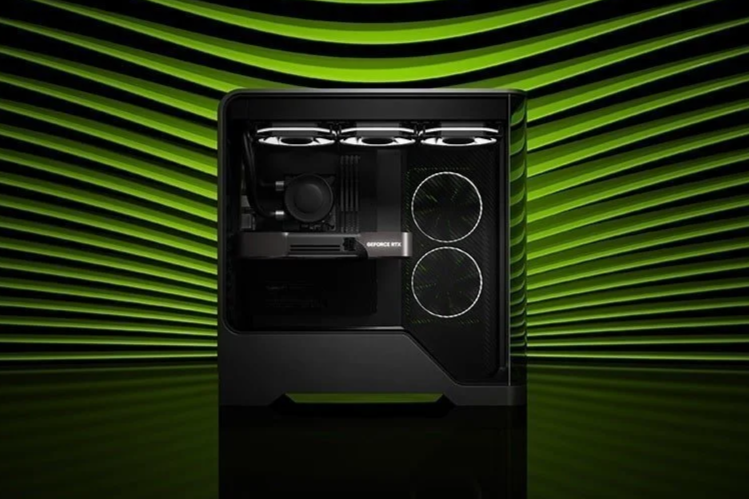
A new wave of pricing anxiety is hitting the GPU market, and this time it is not just about supply or scalpers. According to popular German overclocker and YouTuber Der8auer, NVIDIA has reportedly ended its OPP, also known as the Open Price Program, for board partners, and the downstream impact could be simple and brutal: RTX 50 series cards that actually land at MSRP could stop existing in any meaningful volume.
In his latest report, Der8auer claims NVIDIA canceled the program a few days ago, and that OPP previously helped AIB partners offer at least some products at the recommended price point. If that support layer is removed, the pricing floor shifts upward, especially in a generation already facing elevated memory costs. Der8auer’s takeaway is clear: gamers should expect massive price increases across the RTX 50 lineup.
This also ties into the broader narrative around NVIDIA’s RTX 50 strategy, where multiple reports and partner chatter have suggested the company is prioritizing higher margin configurations. Der8auer adds context to the recent noise around the GeForce RTX 5070 Ti, saying it is not end of life, but NVIDIA may prioritize RTX 5080 production instead. The logic is straightforward: RTX 5080 ships with the same 16 GB of GDDR7 VRAM but delivers higher performance, which makes it a cleaner product for NVIDIA to push if the goal is maximizing revenue per wafer and per board.
If RTX 5080 becomes the primary production focus, pricing pressure likely intensifies. Der8auer notes the GPU is already selling at roughly 1.5x to 2x above MSRP in the market, and that scarcity of RTX 5070 Ti supply could further distort real street pricing across the segment.
The ripple effect is not limited to NVIDIA. The report also points to a similar direction at AMD, where attention may be shifting toward 16 GB SKUs like Radeon RX 9060 XT 16 GB and RX 9070 XT, while 8 GB variants become the entry level filler for the lower end of the stack. Whether that becomes the new normal or a temporary posture, the shared theme is clear: modern GPUs are trending toward higher average selling prices, and the gap between launch MSRP and what buyers actually pay is widening.
If Der8auer is correct about OPP being gone, it represents a structural change, not a seasonal fluctuation. The market impact would be that MSRP becomes more of a marketing number than a realistic buying option, and buyers will need to recalibrate expectations around what a midrange or high end GPU actually costs in 2026.
Do you think GPU pricing can stabilize again within this generation, or is MSRP effectively dead until the next major reset in supply, memory pricing, and partner programs?
