
Beyond Good and Evil 2 Survives Ubisoft’s Major Reset and That Might Be the Weirdest Part of the Week
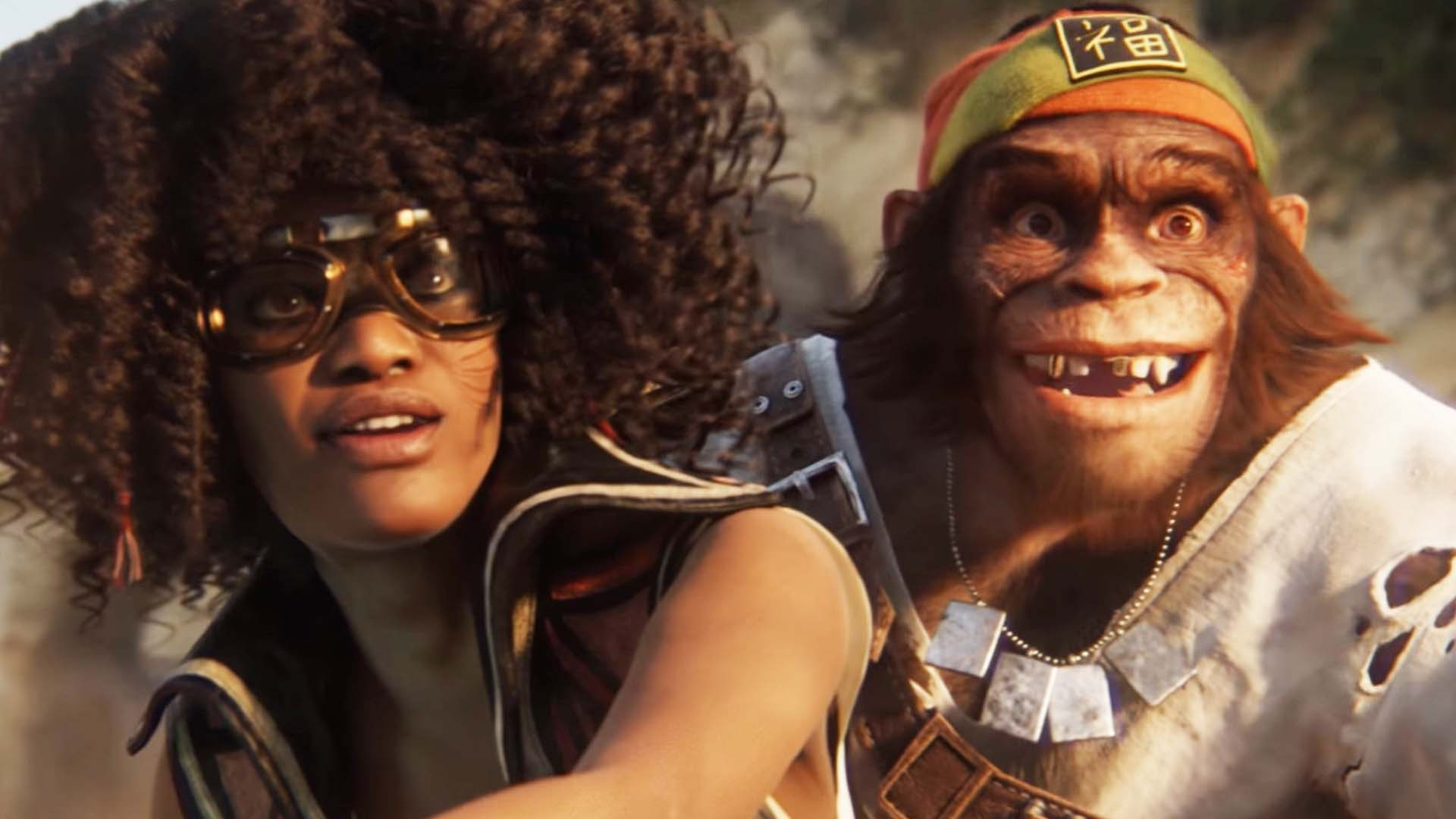
Ubisoft’s week has been defined by a major reset that is reshaping the company from the inside out, including a portfolio shakeup that reportedly saw 6 projects canceled, 7 others delayed, and 4 new IPs spun up alongside broader structural changes across the organization. In a cycle where even recognizable legacy brands are no longer guaranteed safety, the most surprising survivor is not a new live service initiative or a proven revenue engine. It is Beyond Good and Evil 2, the long running sequel that has become gaming’s most persistent will it ever ship question.
Ubisoft’s stance is that Beyond Good and Evil 2 is still a real product bet, not a sunk cost story that leadership is quietly trying to exit. A Ubisoft spokesperson told Eurogamer that Beyond Good and Evil 2 remains part of its portfolio and roadmap and fits with its strategy of focusing on open world adventures, while also arguing that fantasy audiences are underserved and that the project is a unique proposition in today’s market. That framing is important because it signals Ubisoft still believes there is a commercial lane for this game, even while it is cutting elsewhere.
The optics are hard to ignore. Beyond Good and Evil 2 has been publicly known since 2008, and the last official trailer dates back to E3 2017. In practical terms, that is an entire generation of players growing up with the sequel existing mostly as a meme, a hope, or a cautionary tale depending on how charitable you are feeling. The project has also been described as years away from release in reporting that was already citing 14 years of production time at that point, and that report itself is now 4 years old. Even with Ubisoft trimming other long running efforts, the company was reportedly hiring for Beyond Good and Evil 2 as recently as November, which suggests active resourcing rather than maintenance mode.
This is where the strategic tension becomes real. Ubisoft leadership is choosing to keep funding a game that is approaching an 18 year development arc while acknowledging, through its broader reset, that it cannot afford to carry everything. The company is effectively betting that the final product can still land as something differentiated in a crowded open world landscape, even though the market has moved dramatically since the sequel was first teased. That is a high risk bet in an era where execution and time to market are everything, and where even technically strong releases can struggle to break through if the pitch does not match what players are hungry for right now.
There is also a brand reality Ubisoft cannot dodge. Expectations scale with time, and 20 years of anticipation is not a marketing advantage, it is a pressure multiplier. Even if Beyond Good and Evil 2 launches and is genuinely good, it will be judged against an impossible narrative that no single game can satisfy. And if it launches and is merely decent, the conversation will be brutal because decent is not enough to justify a multi decade wait. The bigger risk is relevance: today’s younger audience is increasingly oriented toward forever games like Roblox, Fortnite, Call of Duty, Grand Theft Auto V, and Minecraft, and it is never guaranteed that they will care about a sequel to a game they did not grow up with.
At the same time, the fact that Beyond Good and Evil 2 is still alive says something about the original game’s legacy. People still talk about it, and players are still willing to hope, especially now that a remaster of Beyond Good and Evil exists to keep the franchise accessible. But with each passing year, the pitch of a masterpiece worth the wait becomes harder to sustain, and the question shifts from when will it release to whether the market will even notice when it does.
Do you think Ubisoft should finally commit to shipping Beyond Good and Evil 2 as soon as it is playable and stable, or should it cut losses and focus entirely on projects that fit today’s market realities?
