
NVIDIA Hints At Relaunching Older Gaming GPUs With New Technologies As Neural Rendering Becomes The Future Of Graphics
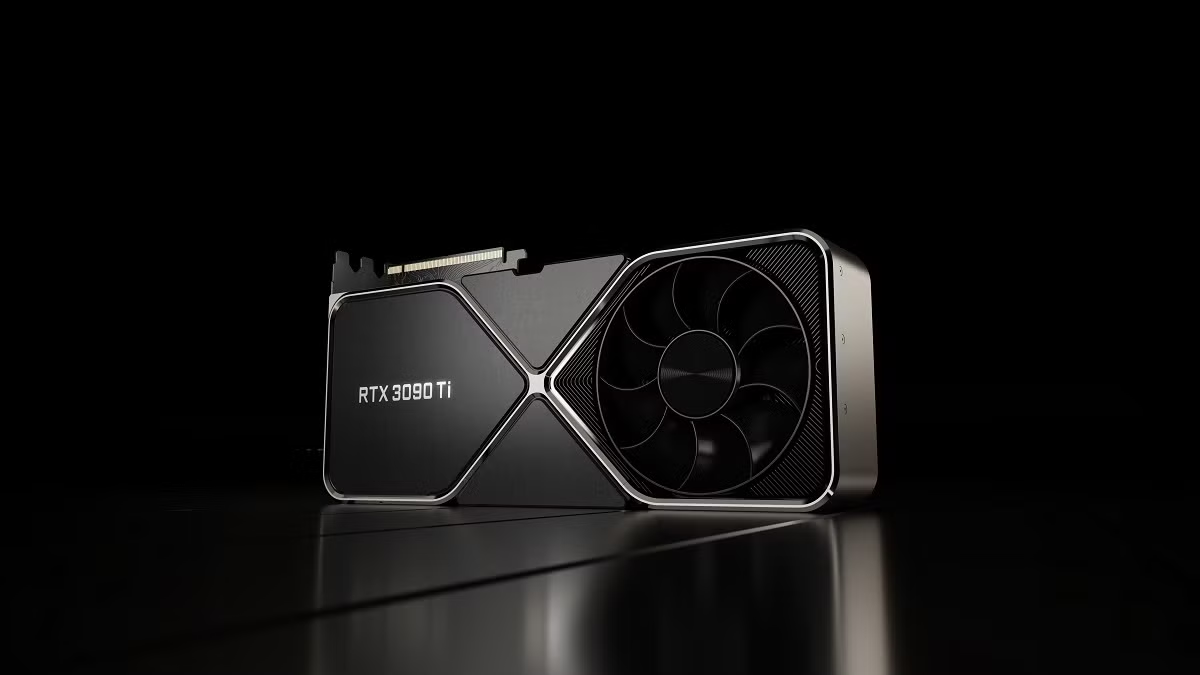
NVIDIA has signaled a potential shift in how it approaches the gaming GPU market, with CEO Jensen Huang openly acknowledging current market pressures and floating the idea that older GeForce GPUs could return with newer AI driven technologies layered on top. Speaking during a CES 2026 Q and A session, Huang also made it clear that Neural Rendering is central to NVIDIA’s long term vision for graphics, positioning AI as the defining force behind future gaming visuals, performance, and efficiency.
The conversation emerged during a public Q and A where multiple media outlets pressed NVIDIA on rising GPU prices, constrained supply, and what steps could realistically be taken to make gaming hardware more accessible again. Two questions in particular stood out, both touching on pricing pressure and the future direction of graphics technology.
The first question came from Paul Alcorn of Tom’s Hardware, who directly addressed the current state of GPU pricing and supply. Alcorn asked whether NVIDIA might consider spinning up production of older generation GPUs on more mature process nodes where manufacturing capacity may be less constrained, or potentially offering lower memory configurations to ease pressure on supply. Crucially, he also asked whether NVIDIA would consider reviving older GPUs and pairing them with newer AI technologies to keep them relevant.
Jensen Huang’s response was cautious but revealing. He acknowledged that the idea is technically possible and confirmed that NVIDIA could, depending on the generation, bring newer AI technologies to older GPUs. However, he emphasized that doing so would still require significant engineering effort, particularly when adapting newer DLSS and RTX era advancements to architectures that were never designed for them. While not a commitment, Huang’s answer made it clear that this approach is actively being considered internally.
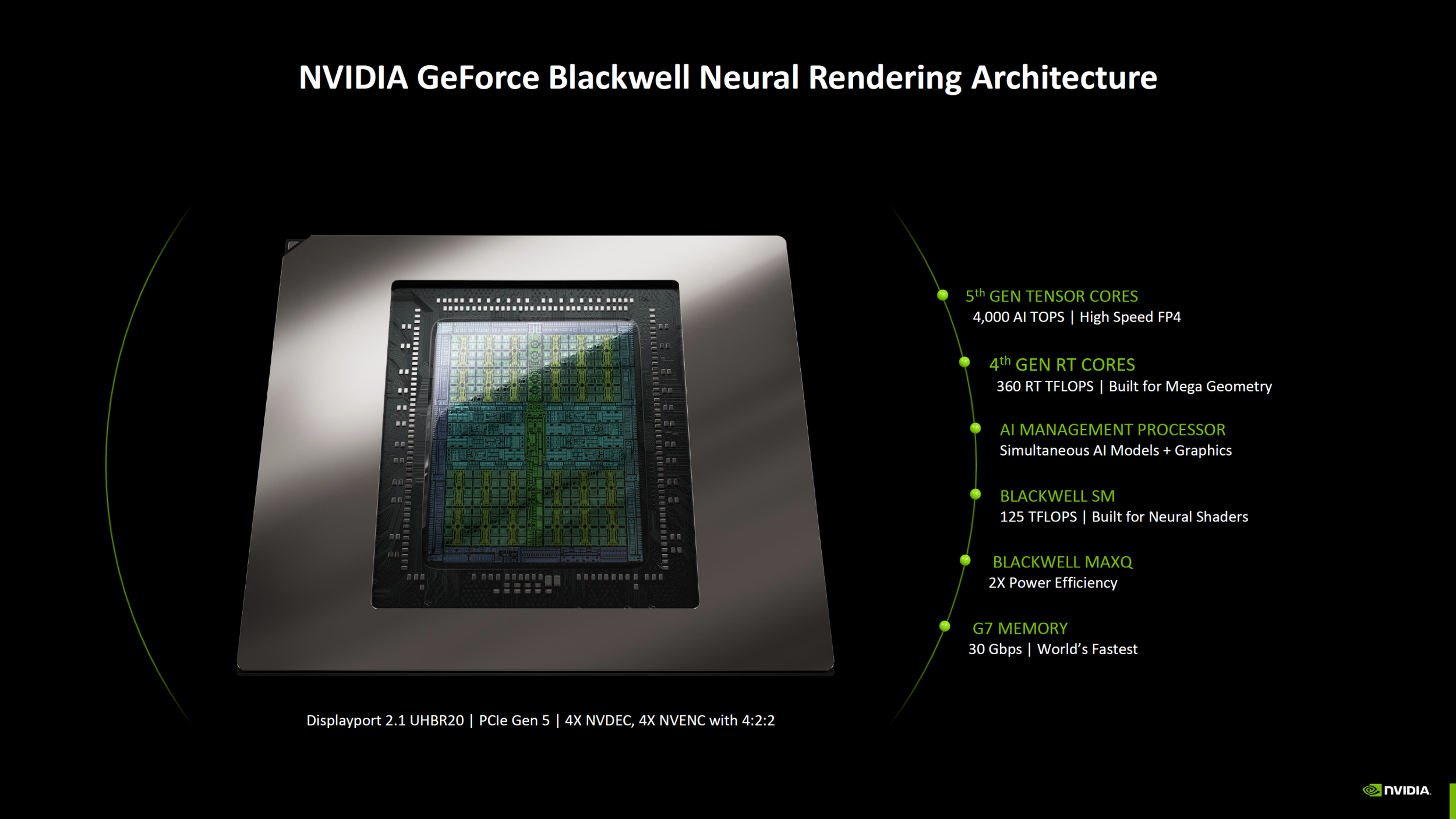
That said, expectations should be kept realistic. While the GeForce RTX 3060 is expected to see a return to the market, it will not suddenly gain support for features such as Multi Frame Generation, advanced ray tracing pipelines, neural shaders, or full neural rendering. Those capabilities are deeply tied to GPU IP and architectural design. The RTX 3060 remains an Ampere based product, and no amount of software updates can fundamentally transform its core capabilities to match newer RTX Blackwell hardware.
Older RTX GPUs across the RTX 20, RTX 30, and RTX 40 series do benefit from ongoing AI model updates, including DLSS 4.5 RTX Super Resolution. However, these GPUs remain constrained by their FP16 compute design, compared to the FP8 capabilities available on the latest RTX Blackwell lineup. This architectural gap means enabling newer AI models can lead to higher performance costs on older cards, even if the visual output improves. Still, in a market facing supply challenges, these GPUs may continue to play a role in stabilizing availability at lower price tiers.
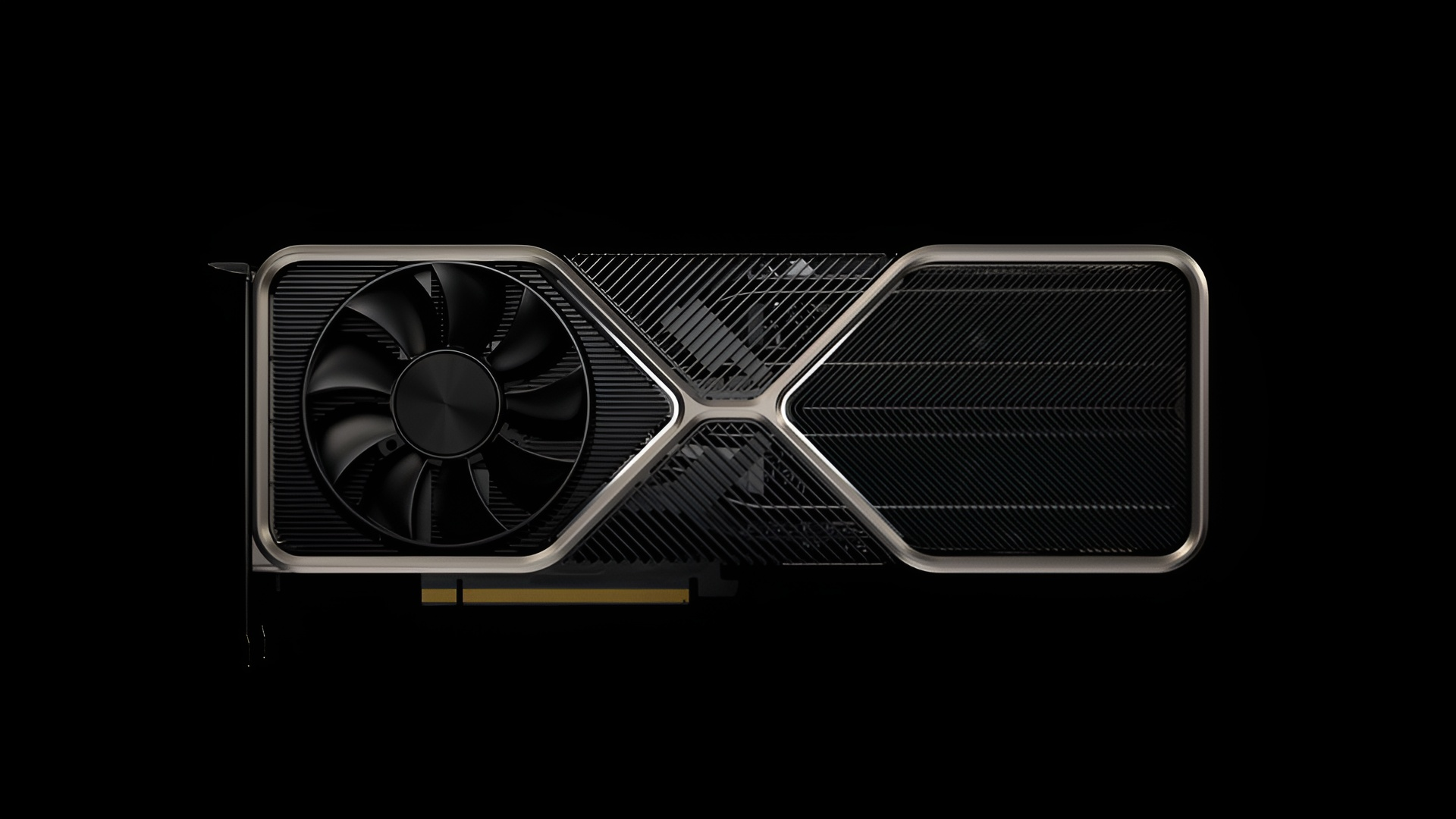
The second key question came from PCWorld’s Adam Patrick Murray, who asked Jensen Huang directly about the future of gaming graphics and the role AI will play moving forward. Huang’s answer left little ambiguity. According to NVIDIA, Neural Rendering is the future of graphics.
Huang explained that DLSS is not a temporary enhancement but the foundation of how future games will be rendered. He expects AI to generate an increasing portion of frames and imagery, allowing developers to compute fewer pixels traditionally while using AI to infer the rest with high fidelity. This approach allows for higher frame rates, more complex scenes, and dramatically improved visual realism without brute forcing raw rasterization.
He went on to describe a future where visual styles range from extreme photo realism to stylized cartoon aesthetics, all generated dynamically through AI assisted pipelines. In Huang’s view, rendering fewer pixels and letting AI handle reconstruction and inference is not a compromise but an upgrade, enabling images that are both computationally efficient and visually stunning.
Huang reinforced this idea further in separate remarks highlighted by Club386, noting that future graphics workloads will focus on computing fewer pixels at higher quality, then using AI to infer surrounding detail in a way similar to generative AI, but heavily conditioned by physically rendered data.
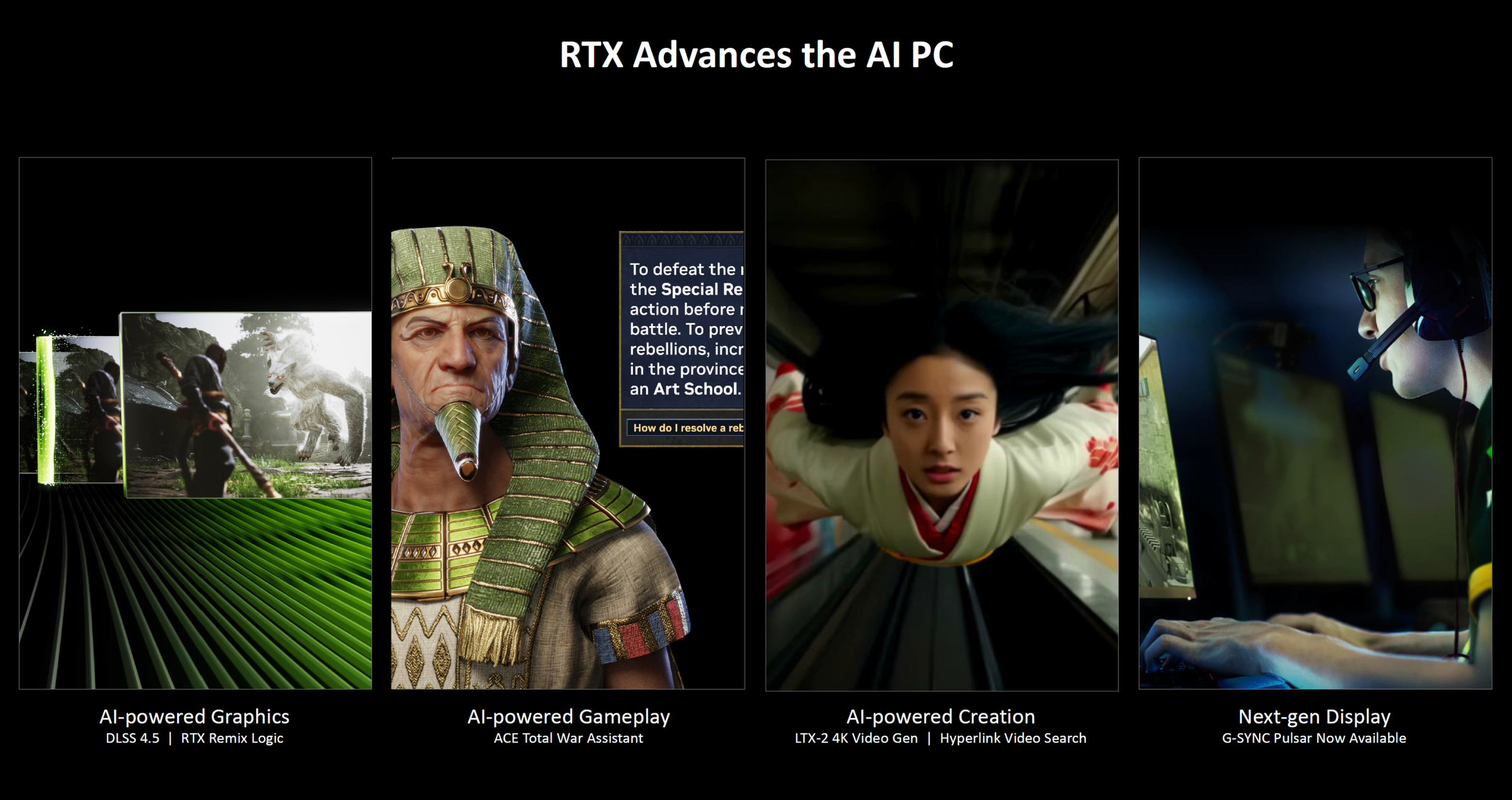
From a technology standpoint, NVIDIA already has multiple building blocks in place. RTX Neural Shaders are currently being explored across three major areas: neural texture compression, neural materials, and neural radiance caching. Each of these aims to offload traditionally expensive graphics tasks to AI models that can operate more efficiently and scale better with future hardware.
In practical terms, NVIDIA’s messaging at CES 2026 makes one thing clear. Gaming and AI are no longer parallel tracks. They are converging rapidly, and Neural Rendering is the glue holding that convergence together. Whether through next generation GPUs or selectively enhanced older hardware, NVIDIA sees AI driven graphics as the defining pillar of the next era of gaming.
Would you rather see NVIDIA revive older GPUs with limited AI enhancements to stabilize prices, or focus entirely on pushing Neural Rendering forward with new hardware only?
