
NVIDIA DLSS 4.5 Official: 6x Multi Frame Generation With Dynamic Frame Gen Targets 240Hz+ Gaming
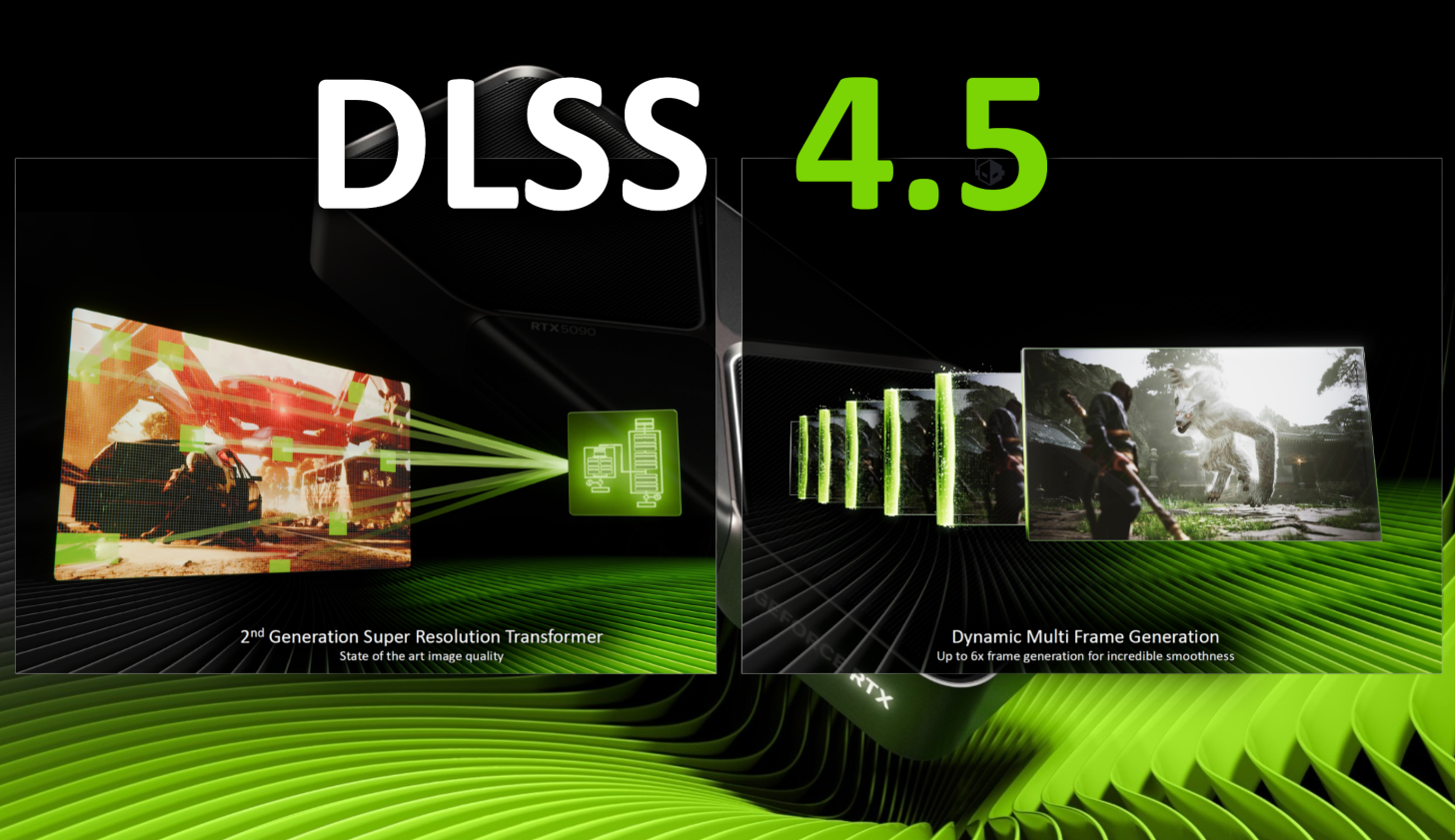
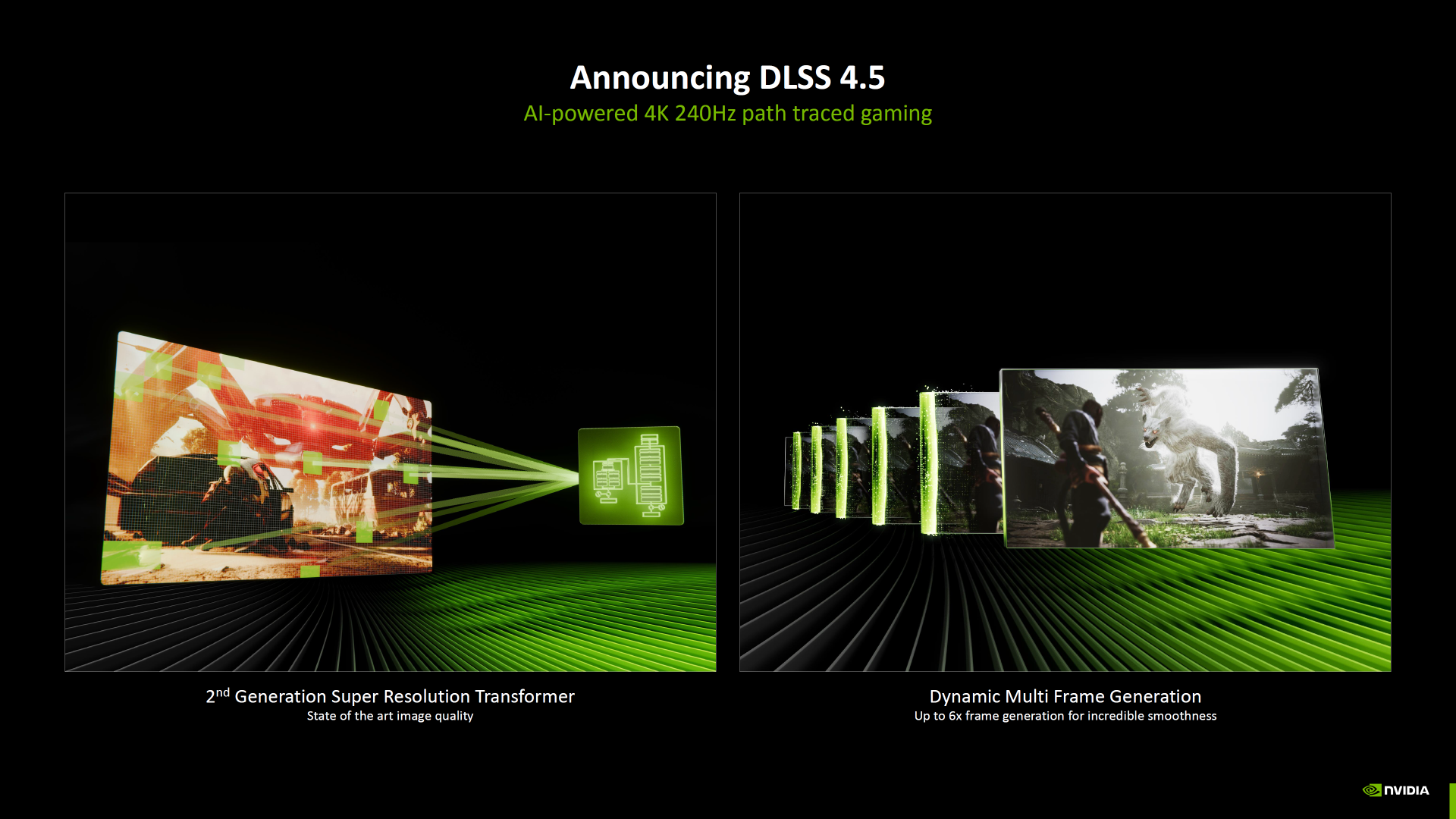
NVIDIA has officially unveiled DLSS 4.5 as the next major step for its AI driven rendering stack, combining a new 2nd generation Super Resolution transformer model with an expanded Multi Frame Generation pipeline that now scales up to 6x. The headline message is clear: DLSS 4.5 is designed to make ultra high refresh rate gaming more achievable, especially in the kind of GPU crushing scenarios modern players actually care about, such as 4K, max settings, and path tracing, while also addressing the most common visual complaints that can show up when upscaling and frame generation are pushed hard.
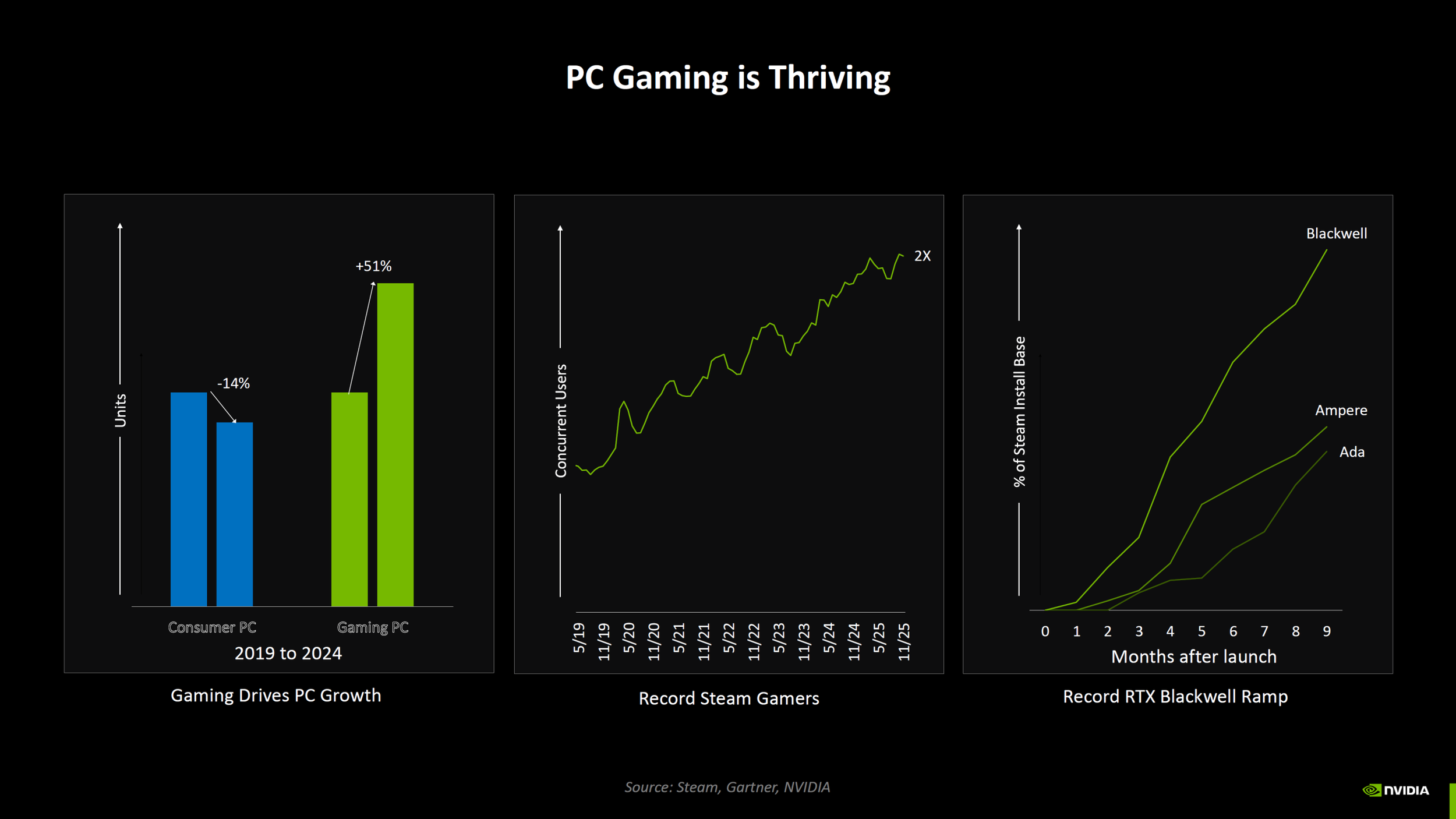
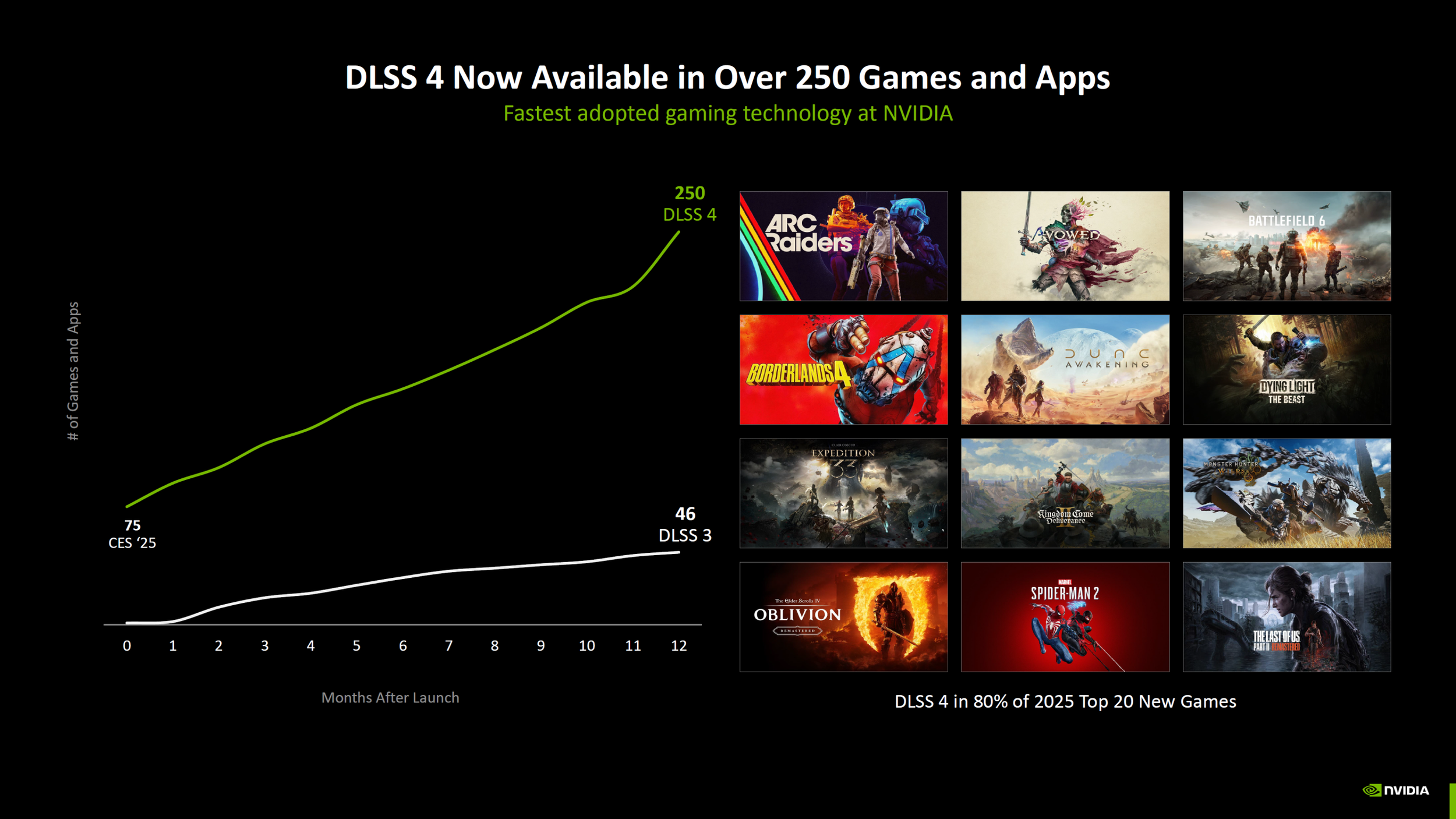
NVIDIA frames DLSS 4 as a breakout adoption story going into 2026, noting that DLSS 4 support expanded from 75 titles at launch to 250 games and apps by the end of 2025, which it positions as faster uptake than DLSS 3. Rather than only scaling the game count, DLSS 4.5 arrives as a capability jump with 2 primary upgrades: a higher quality Super Resolution model and a new Multi Frame Generation ceiling that extends beyond the prior 4x range, with a new Dynamic mode that targets the refresh rate ceiling of modern esports class monitors.
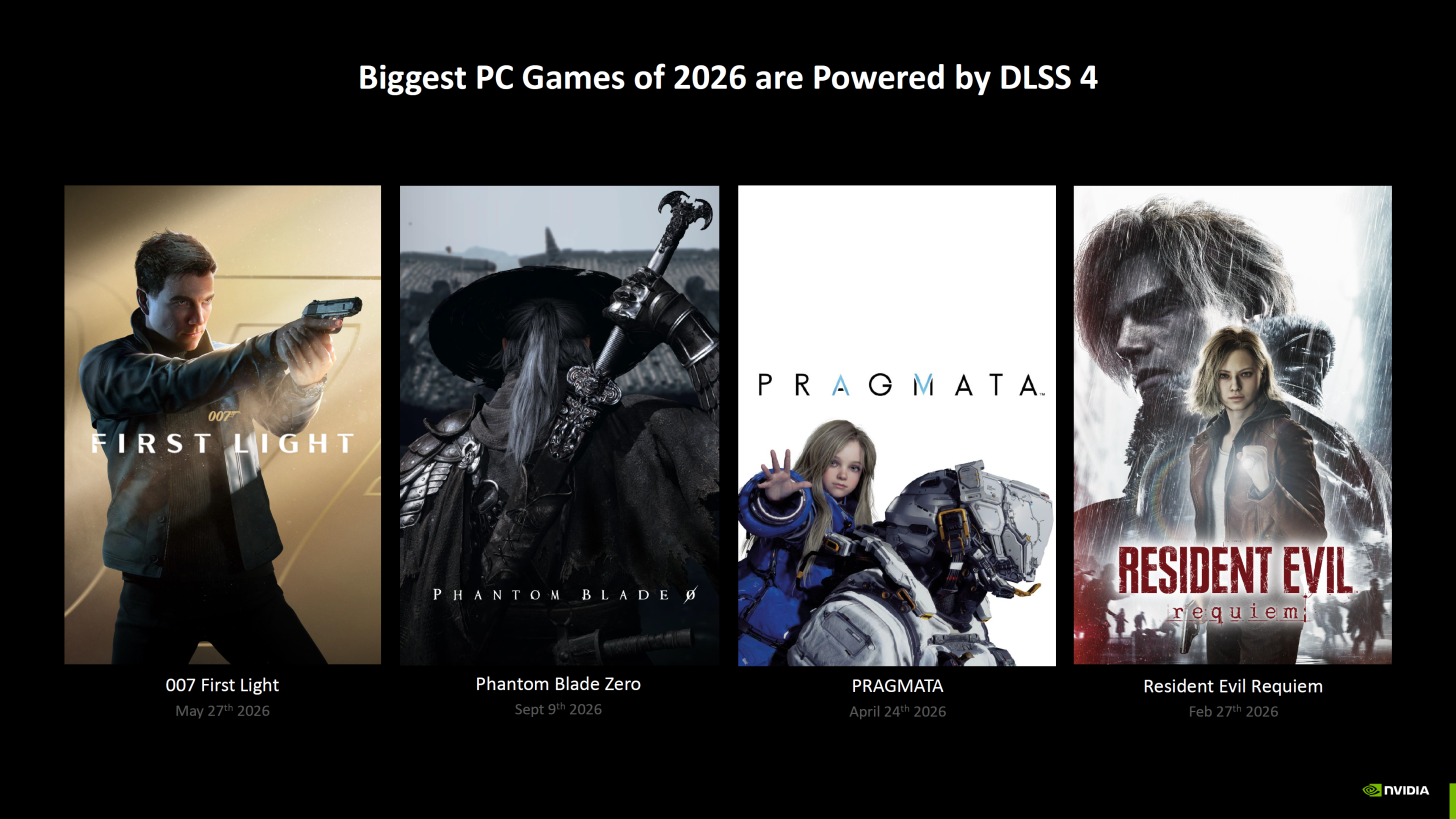
On the game side, NVIDIA is spotlighting DLSS 4 support in several high profile 2026 releases, specifically 007 First Light on May 27, 2026, Phantom Blade Zero on September 9, 2026, Pragmata on April 24, 2026, and Resident Evil Requiem on February 27, 2026. This kind of front loaded AAA alignment matters because it positions DLSS as a default expectation for flagship PC releases rather than an optional post launch patch feature, which is exactly what drives mainstream adoption among gamers who simply want to toggle one setting and see the uplift immediately.
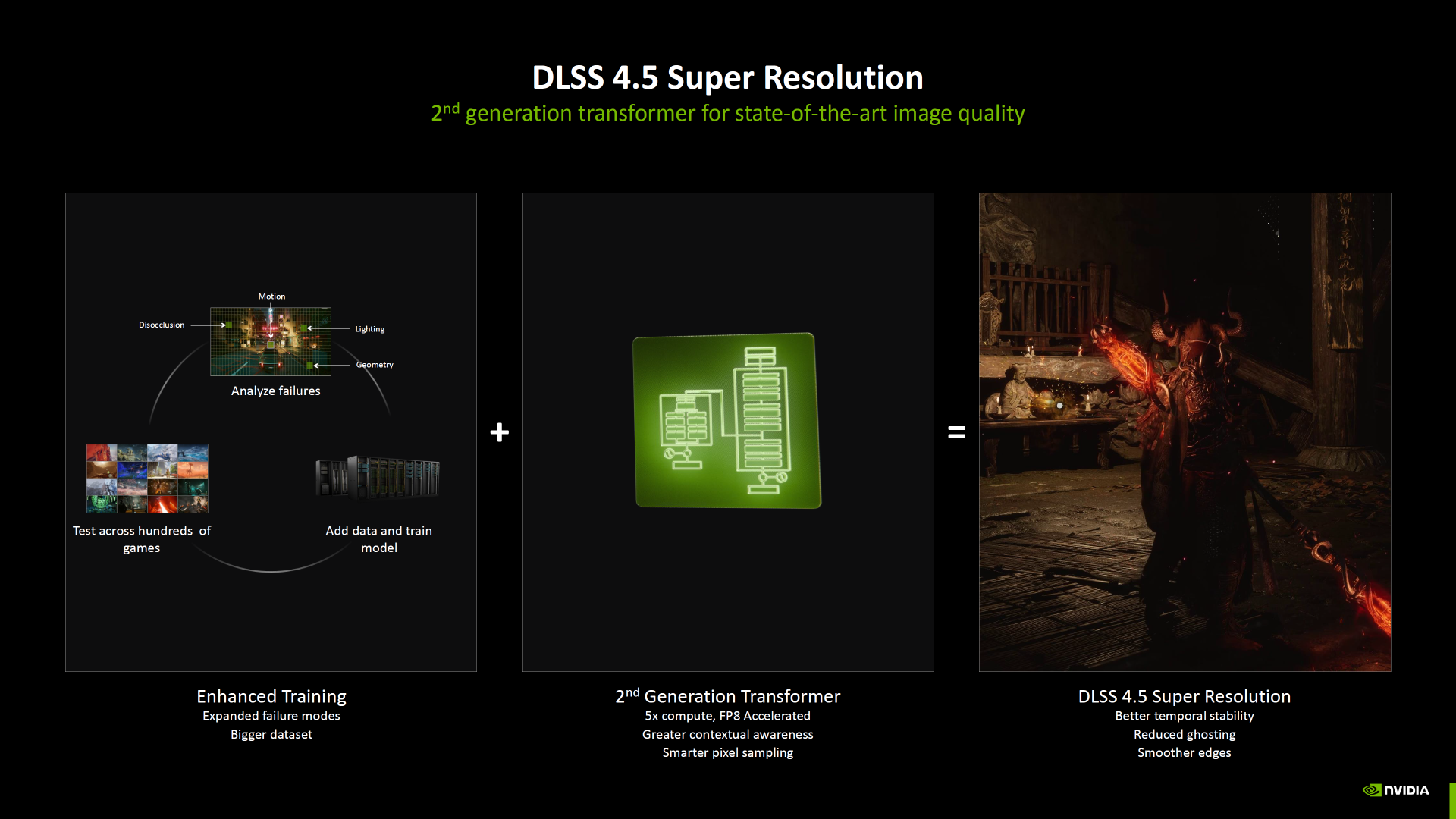
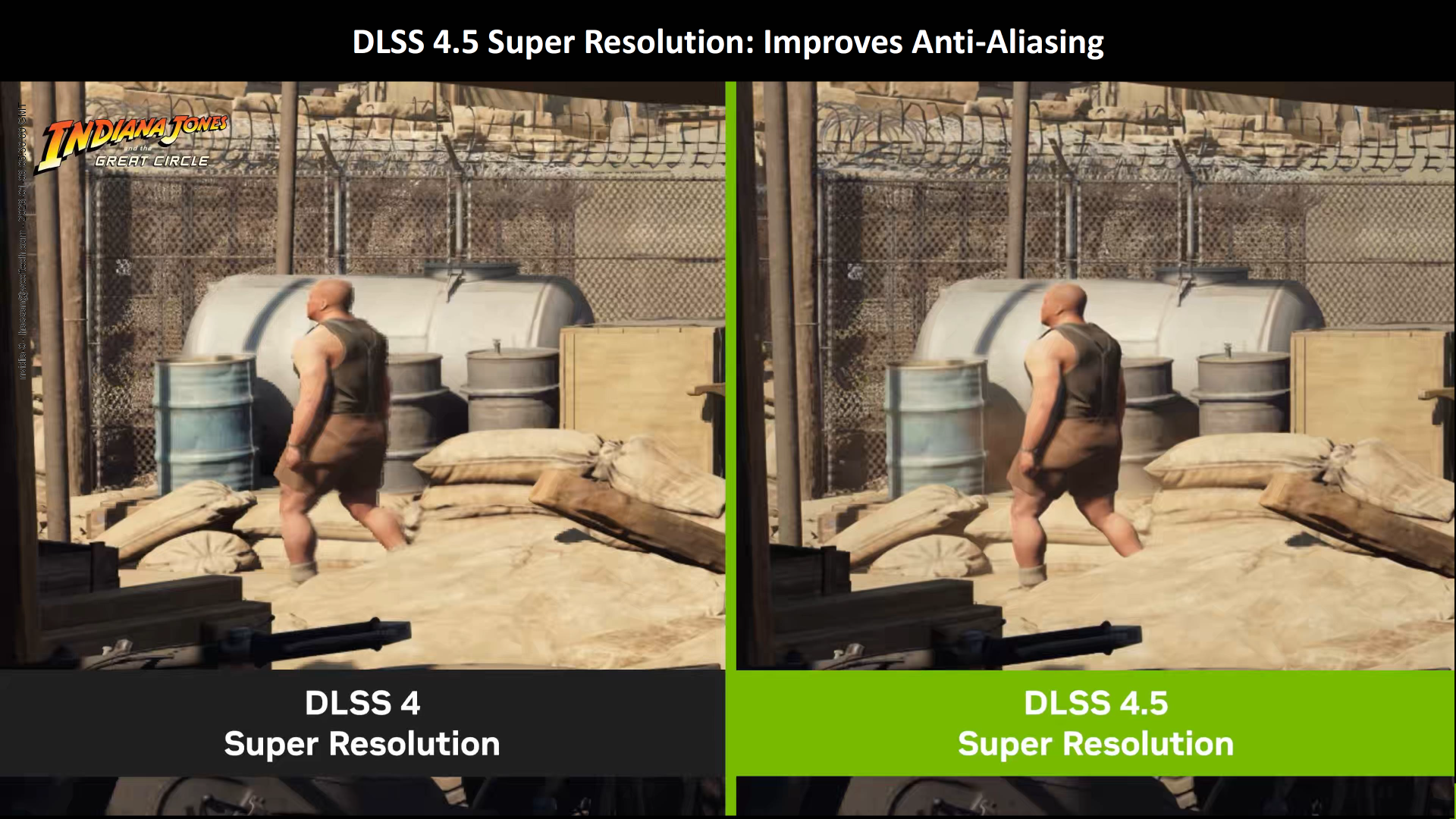
DLSS 4.5 Super Resolution upgrades the transformer model to address image quality failure modes that become more visible when players combine upscaling with aggressive frame generation. NVIDIA describes the model training process as being pushed by larger datasets and expanded failure mode coverage, with the model analyzing problem areas such as motion, geometry, lighting, and disocclusion. In real gameplay terms, these are the scenarios where users often notice instability, shimmer, or artifacts during fast camera pans, heavy particle effects, complex foliage, or high contrast lighting transitions.
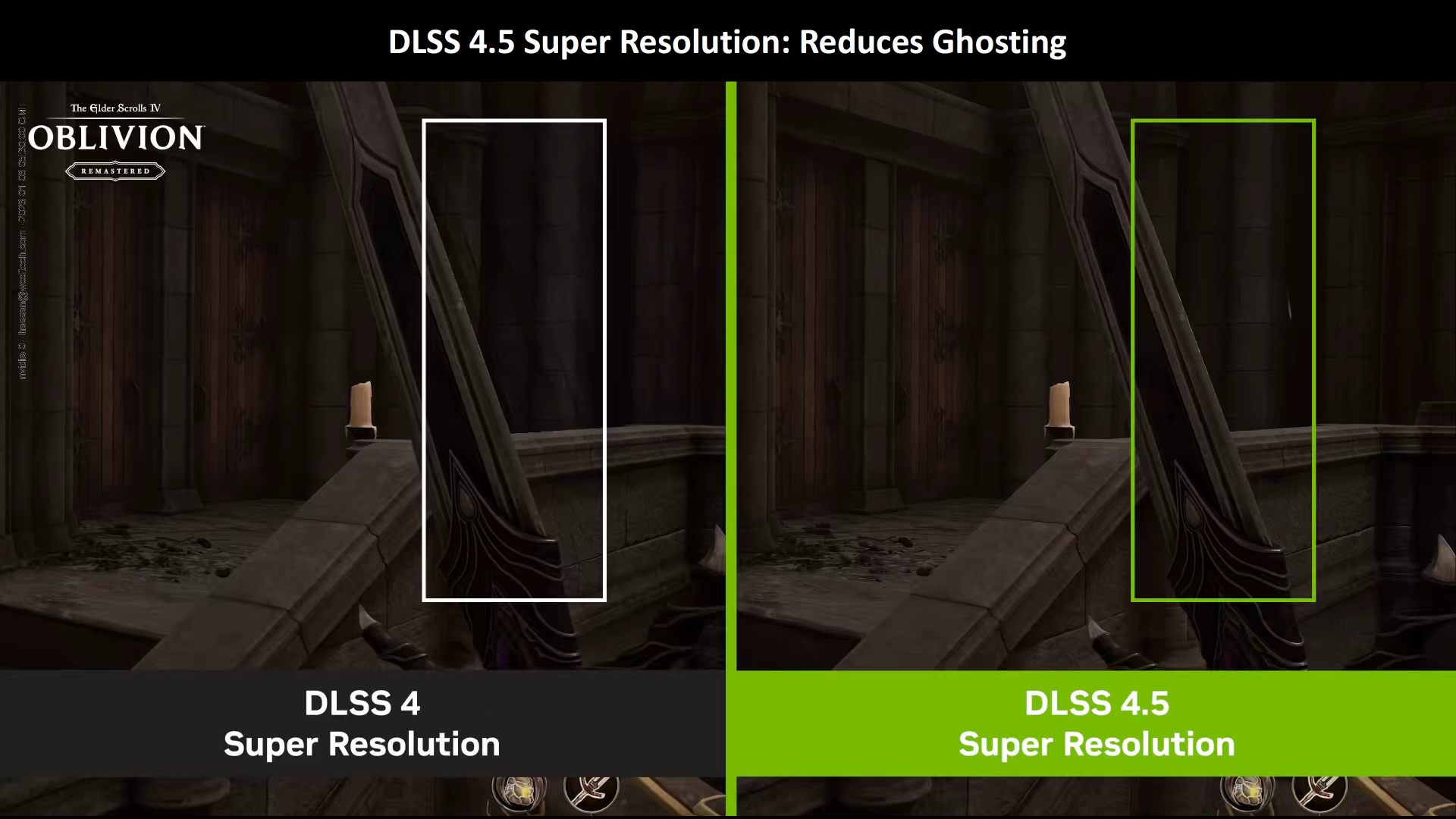
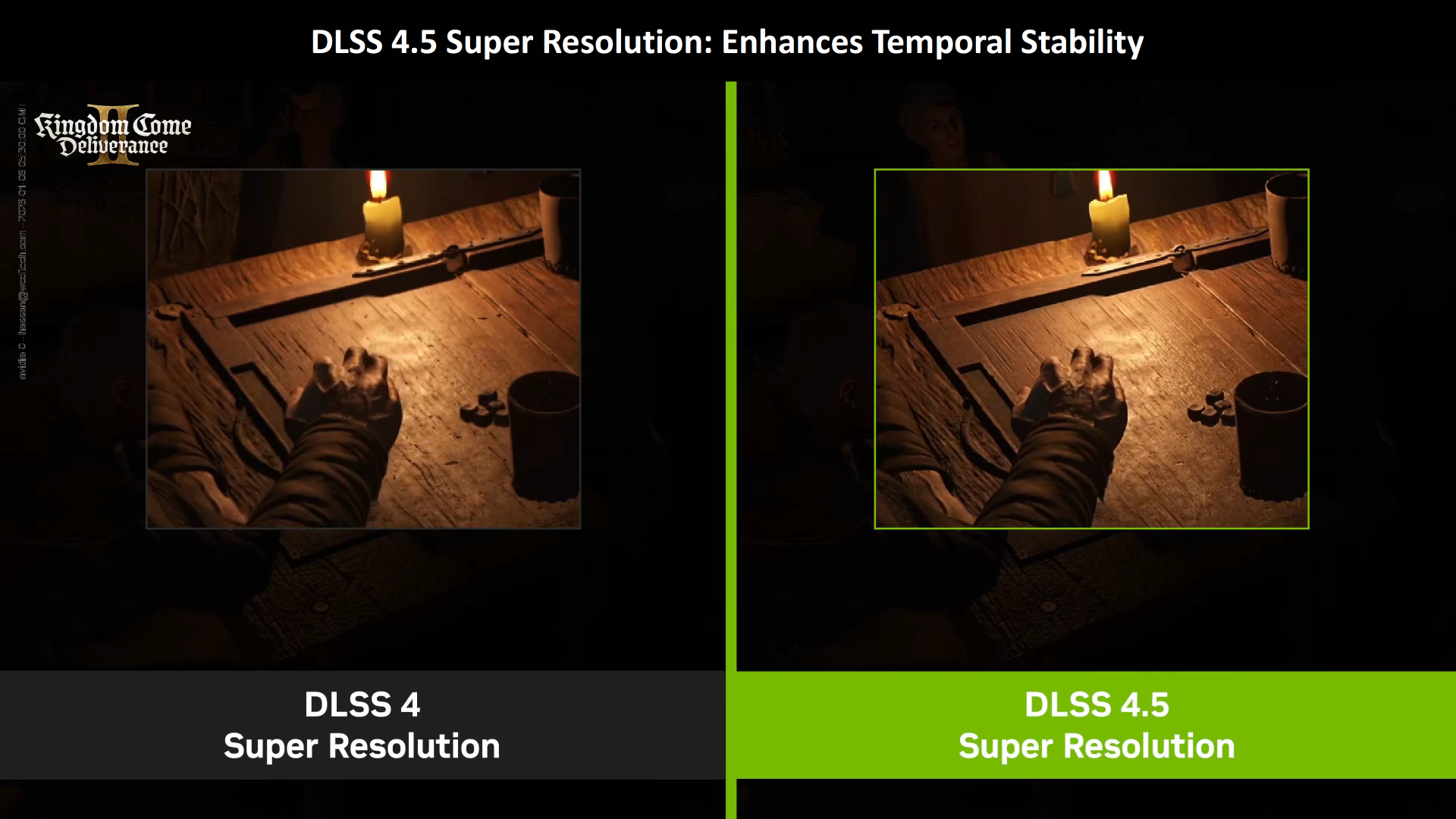
NVIDIA says the 2nd generation transformer model delivers significantly higher compute capability and leverages newer precision features to improve contextual awareness and pixel sampling decisions. The promised results focus on 3 areas that matter most to gamers who are sensitive to image clarity: stronger temporal stability so the image stays consistent frame to frame, reduced ghosting so moving objects do not leave distracting trails, and improved edge handling that functions like better anti aliasing, smoothing jaggies while preserving detail.
A key positioning point is availability. NVIDIA states that DLSS 4.5 Super Resolution is available across all RTX GPUs, including older RTX 20 series hardware. That means the image quality improvements are not only a next generation feature for newer cards, but a platform wide uplift that can improve the experience for a much larger install base, especially players still on RTX 20 and RTX 30 who want better clarity without a full hardware upgrade.
The other major pillar is DLSS 4.5 Multi Frame Generation, now scaling up to 6x. NVIDIA positions this as adding 2 additional generated frames compared to the prior ceiling, with the goal of pushing smoother motion, higher perceived responsiveness, and better frame pacing for high refresh rate gaming. The intent is not only more FPS, but more stable smoothness in scenarios where native rendering cannot realistically saturate a 240Hz display at high visual settings.
NVIDIA also introduces DLSS 4.5 Dynamic Multi Frame Generation, a mode designed to match output FPS to your display refresh rate target. Instead of locking users into a fixed frame generation multiplier, Dynamic mode can shift between 1x and 6x to maintain a user defined FPS target. This is clearly designed for the new wave of 240Hz and above gaming displays, where the goal is not simply maximum FPS but consistent refresh rate alignment for fluidity.
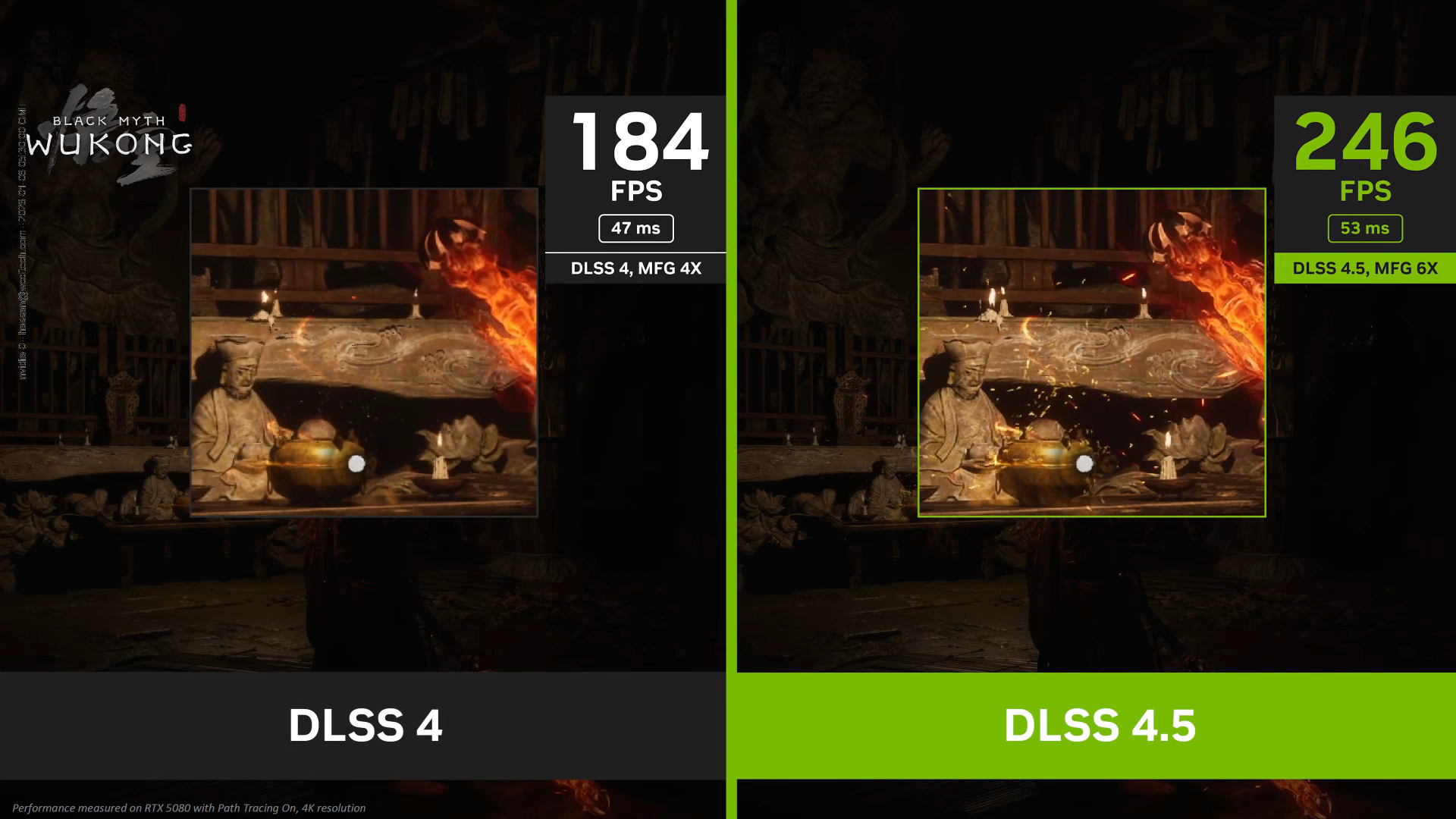
NVIDIA claims that in a scenario like Black Myth Wukong at 4K with max settings and path tracing, 6x can deliver up to a 33% boost versus the previous approach, while also acknowledging a latency increase in the range of 10% to 15%. For competitive gamers, that trade off is always workload and title dependent. For single player cinematic games, it can be a strong value proposition. For esports, players will likely tune based on feel, frame time stability, and whether the latency cost is noticeable within their specific input and display chain.
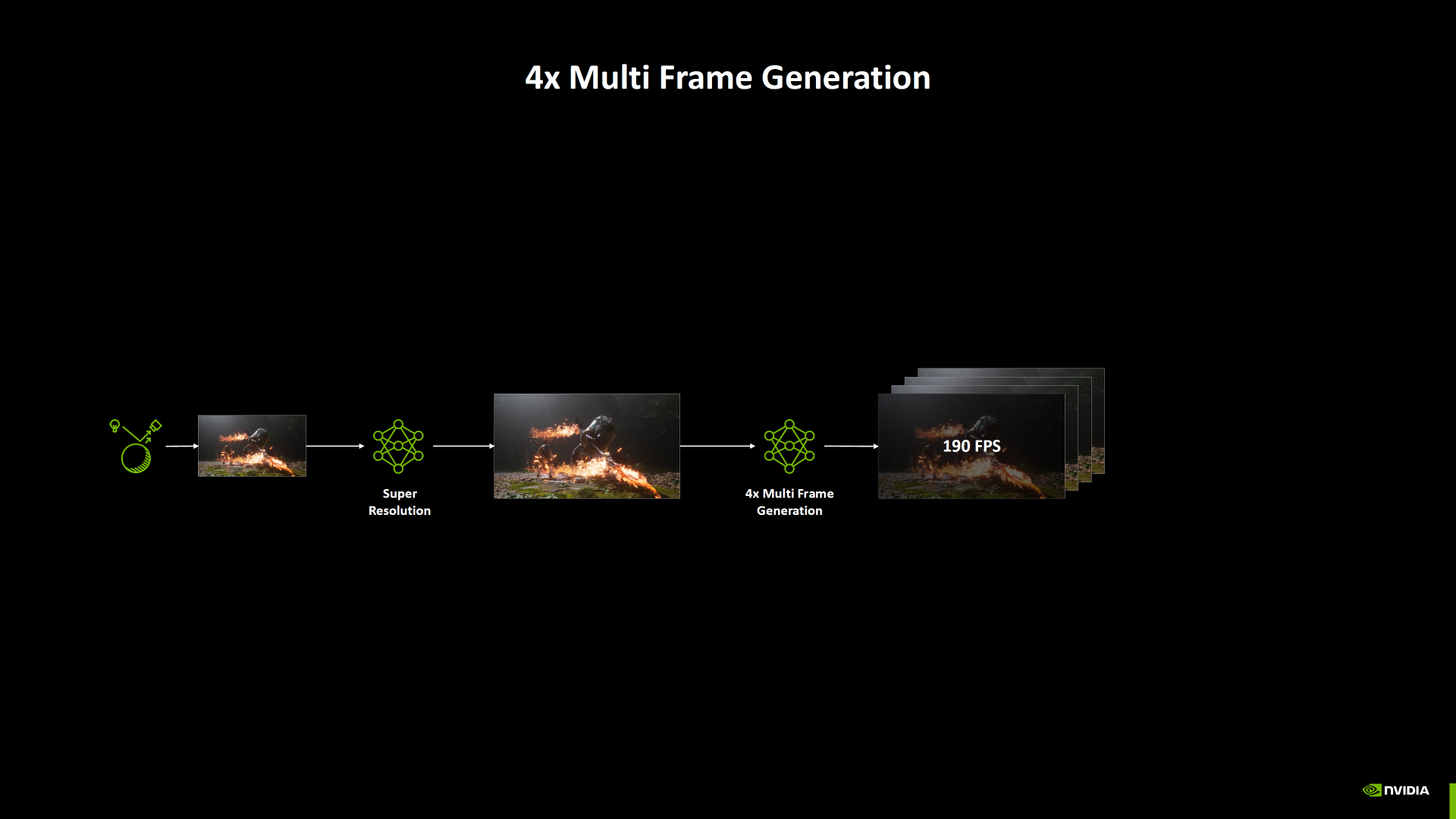
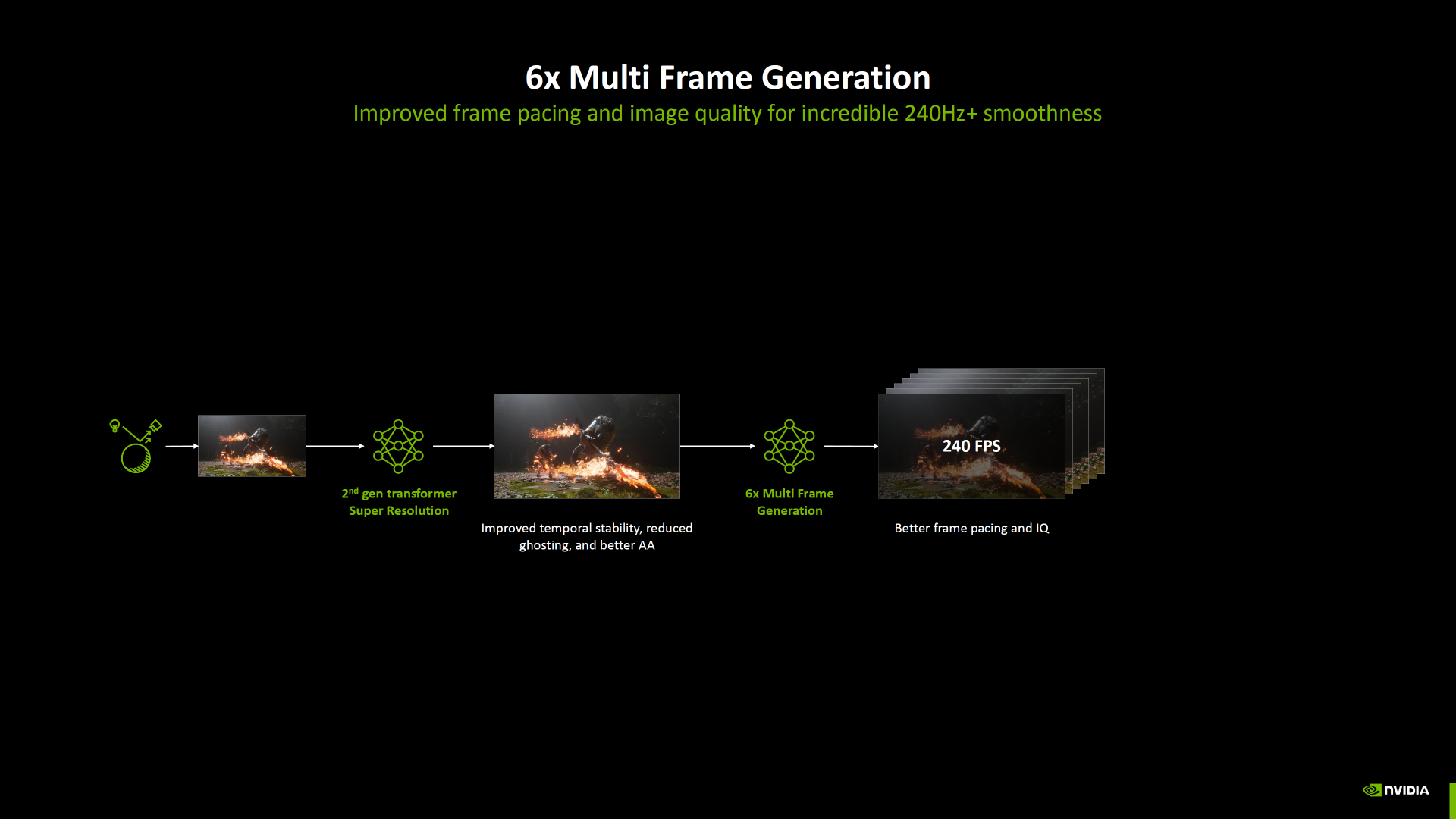
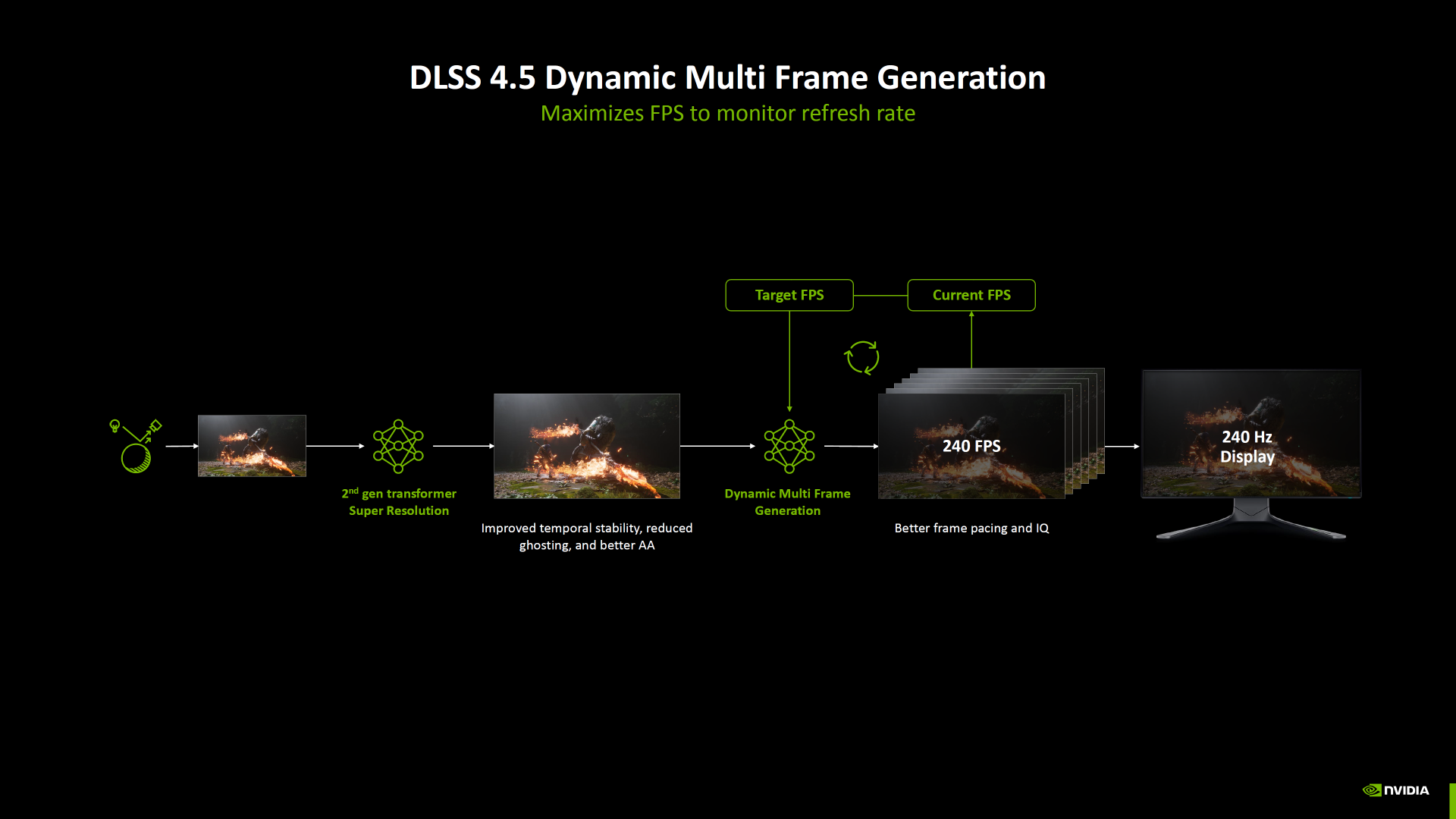
NVIDIA positions DLSS 4.5 as launching with broad reach. It states DLSS 4.5 support starts at 400 plus games, and that it can be enabled through the NVIDIA app using DLSS override toggles, with support delivered via the latest GeForce Game Ready Drivers and NVIDIA app updates. The availability split is important: DLSS 4.5 Super Resolution is available now, while 6x Multi Frame Generation and Dynamic Multi Frame Generation are planned for Spring 2026 and limited to RTX 50 series GPUs. That suggests NVIDIA is treating Super Resolution as a platform quality uplift for all RTX owners, while the most aggressive frame generation modes remain a next generation feature gated by the newest hardware.
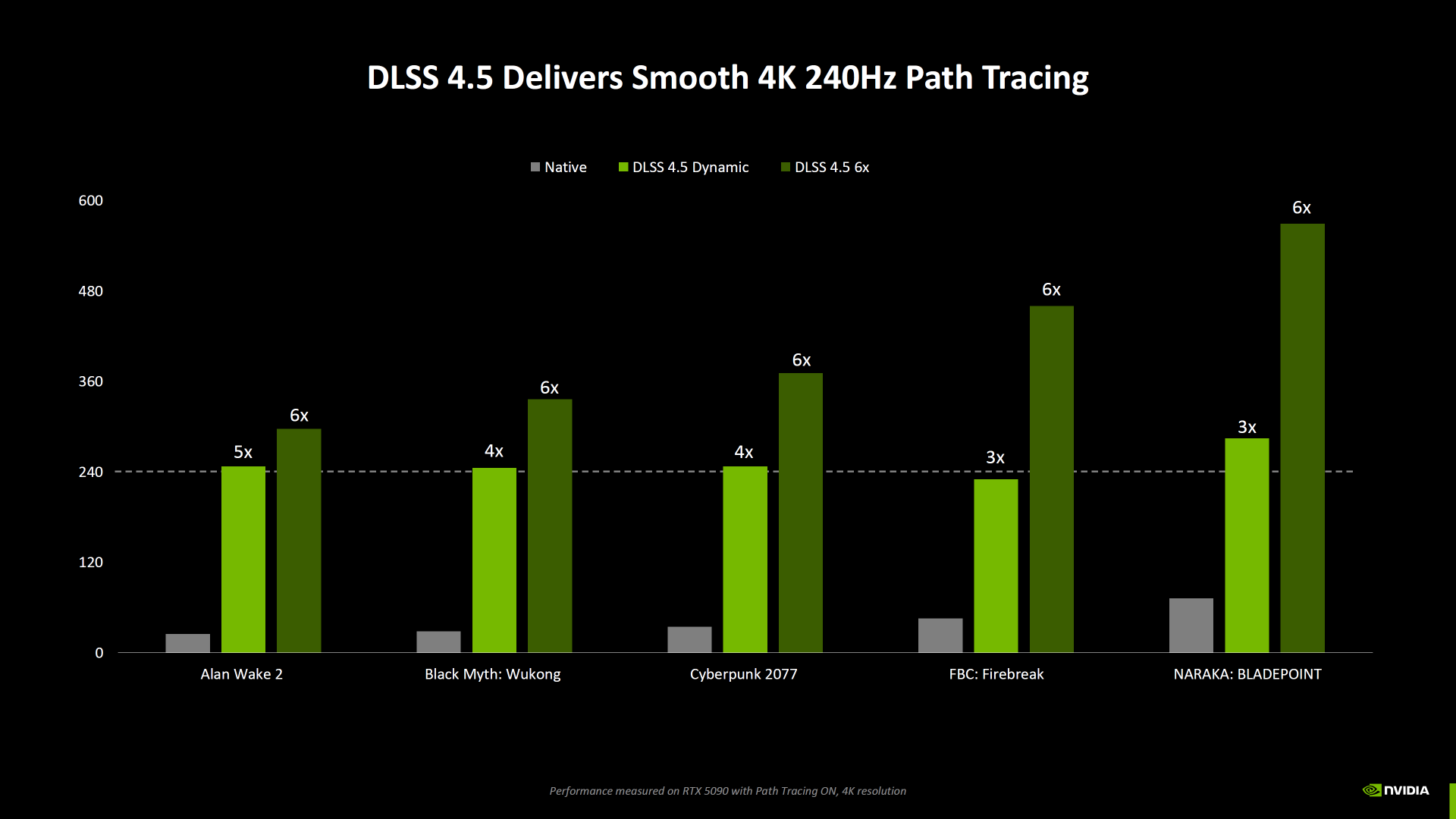
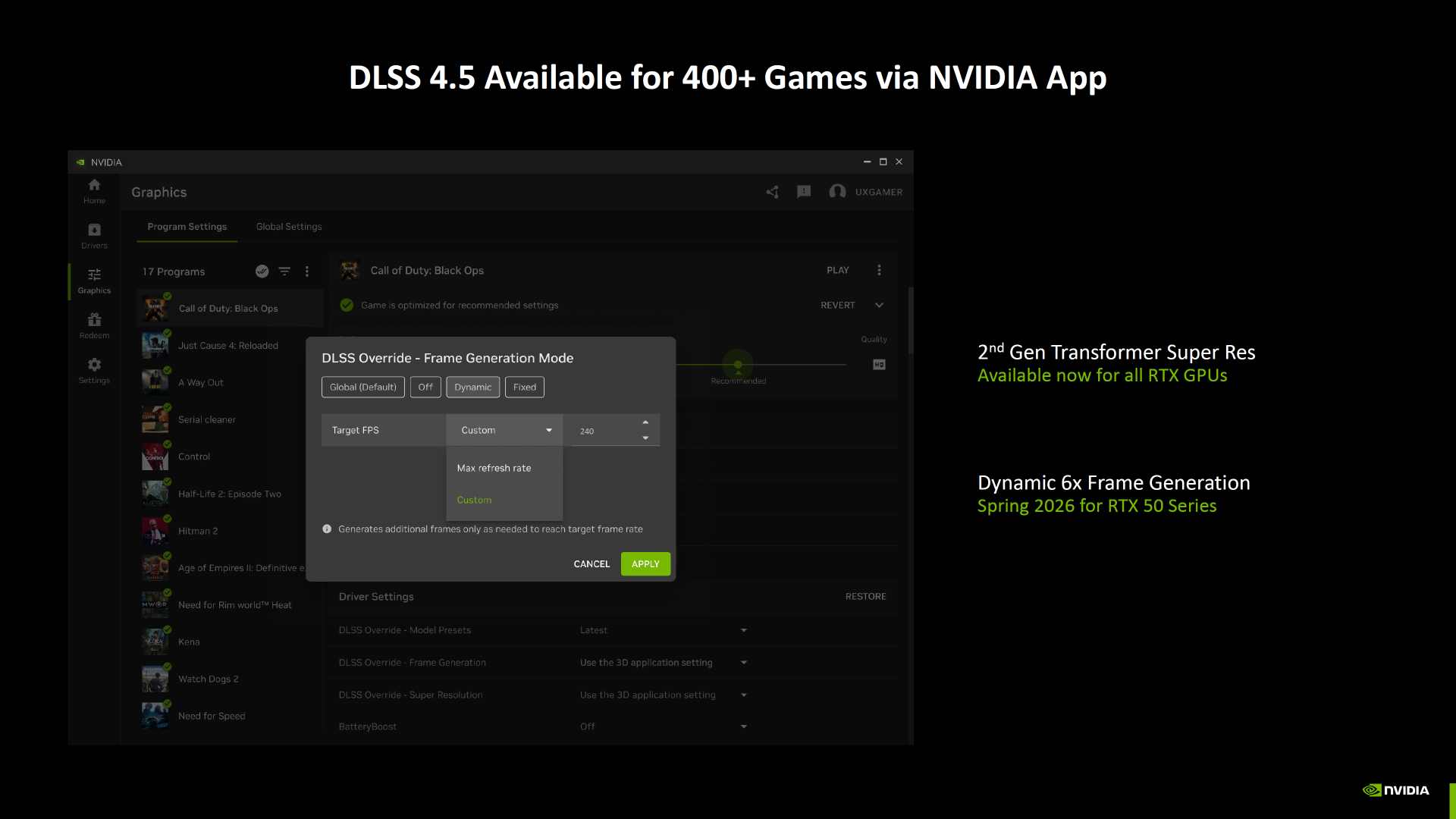
From a gamer perspective, DLSS 4.5 is a strategic pivot toward the 240Hz plus era, where performance scaling is no longer only about chasing bigger benchmark numbers, but about reliably matching modern display refresh ceilings while keeping image quality stable. If NVIDIA delivers on the ghosting and temporal stability improvements while also making Dynamic Multi Frame Generation feel consistent, DLSS 4.5 could become the most important quality of life upgrade for players using path tracing and ultra settings on high refresh monitors.
If you game on a 240Hz or 360Hz display, would you enable 6x Multi Frame Generation for maximum smoothness, or would you rather keep frame generation lower and prioritize latency and raw input feel?
