
NVIDIA B200 Residual Value Rises to 158% of Original Cost as AI Demand Stays Strong
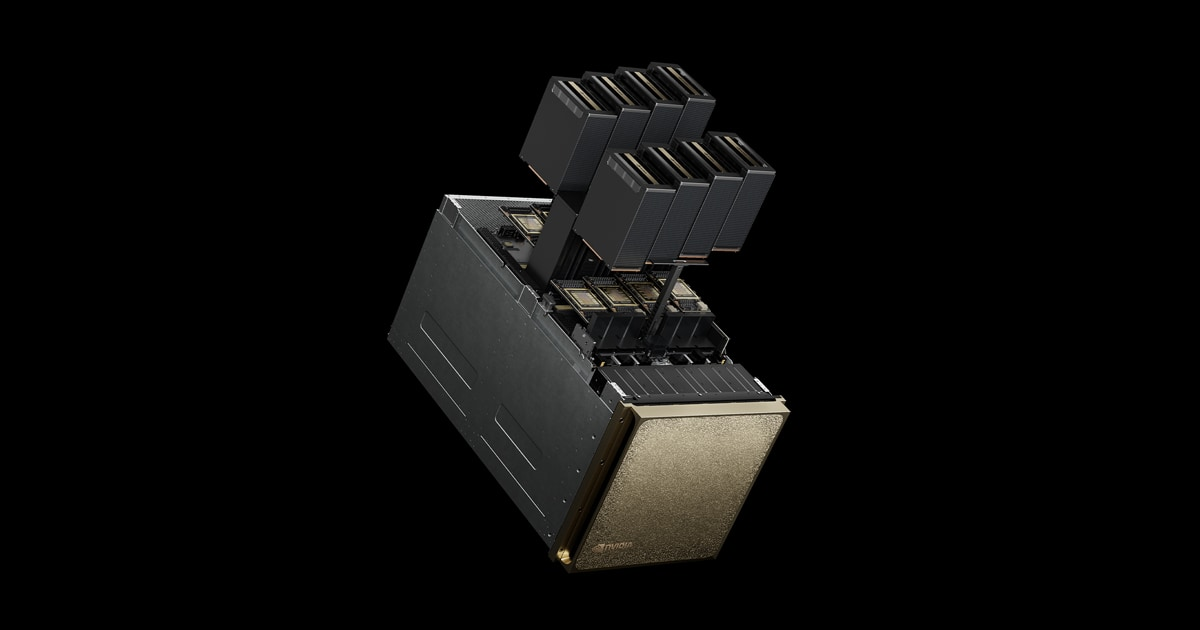
NVIDIA's B200 is behaving very differently from conventional computing hardware. Around 1 year after Blackwell entered large scale deployment, Silicon Data estimates that the accelerator's residual value has reached approximately 158% of its original cost baseline, effectively valuing the hardware 58% higher instead of depreciating with age.
The figure comes from Silicon Data's GPU Residual Value model, which calculates what an accelerator should be worth based on its remaining ability to generate revenue. Its latest public update placed the B200 at approximately $71,057 in residual value, up 14.4% during 2026. The H100 was valued at $20,308 and had also appreciated during the year, while the much older A100 remained close to $5,000 despite launching in 2020.
There is an important distinction behind those numbers. The 158% figure is not necessarily the price of a specific used B200 transaction, nor is it measured against an official NVIDIA retail MSRP. Silicon Data describes its figure as a going concern valuation, estimating what the GPU is worth if it remains deployed and generating compute revenue.
The model starts with observed and forward GPU rental prices, then adjusts for expected utilization, operating costs, interest rates, newer architectures entering the market, and the remaining useful life of the hardware. The result is effectively a continuously updated discounted cash flow valuation rather than traditional accounting depreciation.
That matters because NVIDIA never established a conventional standalone MSRP for the B200. When Blackwell was introduced in 2024, CEO Jensen Huang said individual Blackwell GPUs could cost roughly $30,000 to $40,000, but later clarified that pricing would vary because NVIDIA primarily sells complete systems and infrastructure rather than individual B200 modules.
The underlying economics help explain why the hardware remains valuable. SemiAnalysis InferenceX currently measures the B200 at approximately $0.20 per 1 million DeepSeek R1 tokens when targeting 76 tokens per second per user under its hyperscaler ownership assumptions. At a 50 token per second target using FP4, newer measurements put the cost even lower at around $0.10 per 1 million tokens.
Rental demand reflects the same economics. Silicon Data tracks realized B200 rental pricing across cloud providers and private compute markets, with the accelerator continuing to command a substantial premium over older H100 and A100 hardware. Its valuation model says rising rental income has been strong enough during 2026 to offset the normal loss of value caused by aging hardware.
GPU financing has become a core pain point in AI infrastructure. AI startups report that instead of reserving one year of compute, they're increasingly asked to reserve three while putting down 30-40% upfront.
— Silicon Data (@Silicon_Data) September 16, 2026
Compute providers aren't imposing these onerous terms arbitrarily:… https://t.co/LFBOII7o3T
This is not limited to Blackwell. CoreWeave has contracted NVIDIA A100 capacity through 2029, potentially keeping hardware introduced in 2020 commercially productive for almost 9 years. The continued earning potential of older accelerators is also changing how lenders and infrastructure operators think about GPU backed financing.
Silicon Data specifically developed its residual value benchmark for that market. Instead of automatically writing GPUs down toward zero over 3 or 5 years, lenders can estimate their value from the compute revenue they may still generate.
The headline number is striking, but the more important story is not that people are casually selling used B200s for 58% above MSRP. It is that AI GPUs are increasingly being valued like revenue producing infrastructure.
If an accelerator can continue earning substantial rental income, conventional depreciation schedules become a poor representation of its economic value. That is particularly relevant as AI infrastructure increasingly depends on financing, leases, and GPU backed credit rather than simple hardware purchases.
The B200 will eventually depreciate as newer platforms take workloads away from it. For now, however, demand for inference compute is rising quickly enough that its earning power is outrunning its age.
Should high end AI GPUs be valued more like traditional computer hardware, or as revenue producing infrastructure based on the compute they can still sell?
