
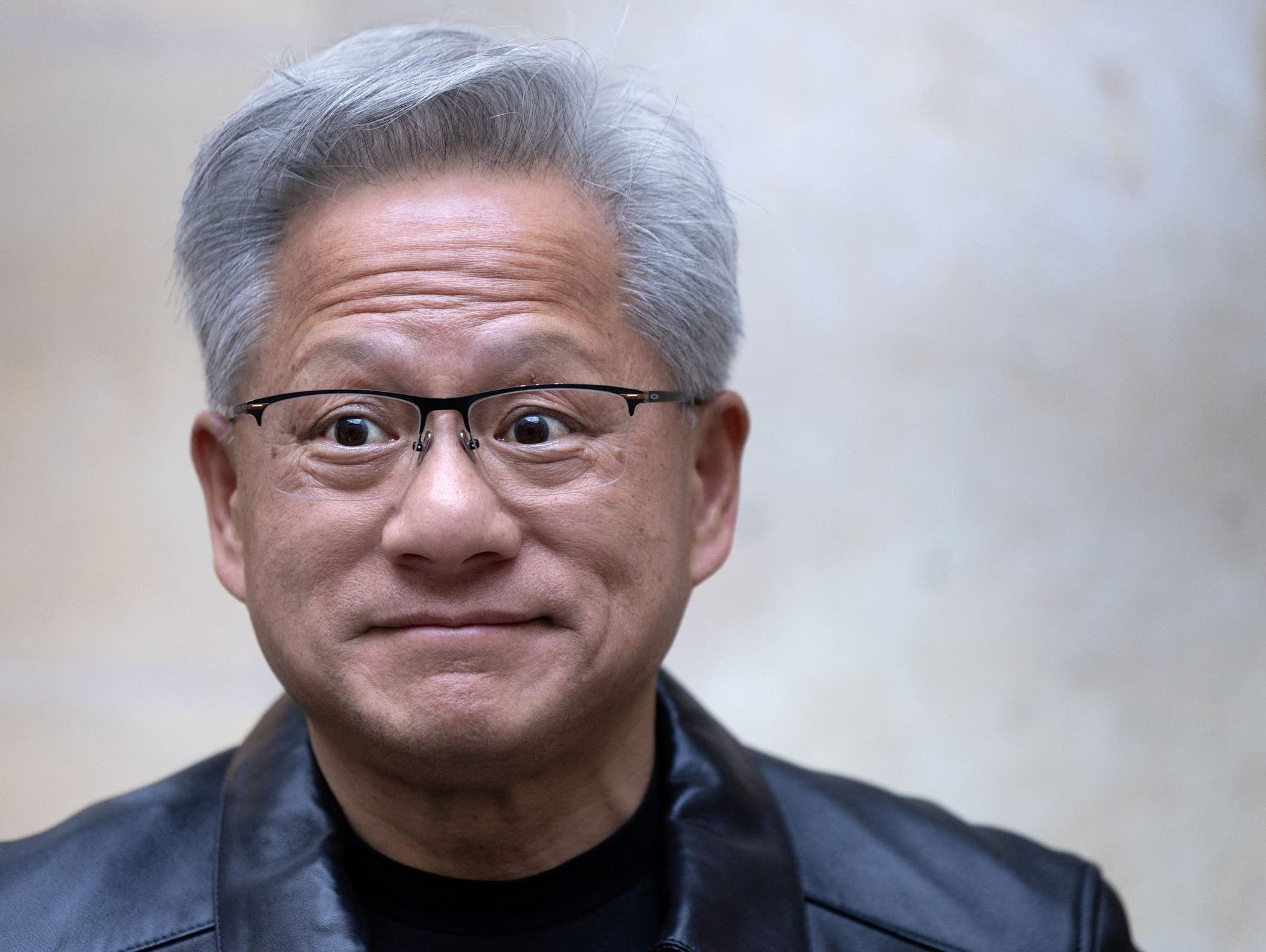
NVIDIA and CEO Jensen Huang are facing a proposed shareholder class action lawsuit alleging that the company failed to disclose material information concerning Huang's reported relationship with Alice Huang, a former executive at Singapore based AI infrastructure company Megaspeed International. Filed on November 9, 2026, in the US District Court for the Northern District of California, the complaint accuses NVIDIA and its CEO of misleading investors about potential national security risks and the company's commercial relationships.
According to the Rosen Law Firm's official announcement, the lawsuit was filed on behalf of shareholder Mark Kistenmacher and seeks to represent investors who purchased NVIDIA securities between October 9, 2025, and November 8, 2026. The plaintiffs argue that NVIDIA's previous statements regarding Megaspeed's compliance with American semiconductor export restrictions were materially misleading because they allegedly failed to disclose Huang's personal relationship with Alice Huang and the potential business risks associated with reported Chinese intelligence activities.
The lawsuit follows NVIDIA's independent board investigation, announced on November 8, after reports suggested that Alice Huang had been identified by American intelligence officials as a suspected Chinese intelligence asset. Jensen Huang publicly acknowledged being unfaithful to his wife but did not identify the other individual involved in his statement. Importantly, allegations concerning espionage and illegal semiconductor transfers remain unproven publicly, and no evidence has established that Huang knowingly participated in intelligence activities.
The legal action arrives as NVIDIA experiences significant market volatility. According to Reuters, NVIDIA shares declined 4.3% on November 9, reducing the company's market capitalization by approximately $190 billion. The lawsuit was filed shortly after the market closed, meaning the decline preceded the filing itself. Investors are seeking unspecified financial damages, arguing that NVIDIA's alleged omissions exposed shareholders to losses. The proposed class has not yet been certified, and the deadline for investors seeking appointment as lead plaintiff is January 8, 2027.
Meanwhile, NVIDIA confirmed on November 10 that former acting US Attorney Joon H. Kim and law firm Wachtell, Lipton, Rosen & Katz will conduct its independent investigation. The board continues expressing confidence in Huang and maintains that it currently has no reason to believe company secrets or American national security were compromised. No court has established liability, and the lawsuit remains at an early stage.
The shareholder lawsuit introduces another challenge for NVIDIA at a time when its technologies are central to global AI infrastructure and semiconductor development. However, the legal dispute concerns more than Jensen Huang's personal conduct. The central issue is whether NVIDIA withheld information that investors reasonably needed to evaluate potential business, regulatory, and security risks.
Corporate transparency is especially important when companies operate across heavily regulated international markets. At the same time, allegations should not automatically be treated as evidence of misconduct, and the independent investigation must establish whether any material information was improperly withheld.
For NVIDIA, maintaining investor confidence will require transparent governance, consistent export compliance, and clear communication. The outcome could influence expectations surrounding corporate disclosure practices across the semiconductor industry.
Should technology executives be required to disclose personal relationships that could create corporate security risks, or should private matters remain separate unless a direct conflict of interest is established?
