
NVIDIA, AMD, and Qualcomm May Hesitate to Use Intel Foundry If Their “Secret Sauce” Risks Exposure
Intel’s foundry pivot is entering a critical execution window, and the conversation is no longer just about process nodes like 18A and 14A. It is about trust, governance, and whether the world’s top fabless designers are willing to place high volume, flagship class orders at a manufacturer that also competes with them in adjacent markets.
After a volatile transition period following Pat Gelsinger’s departure, Intel has stabilized under CEO Lip Bu Tan, whose leadership has prompted renewed focus on restoring momentum across the semiconductor division. While there has been pressure for Intel to pursue a foundry spin off, that path was reportedly shelved, with confidence that Intel could drive a turnaround without fully separating the business.
That is where former Intel board member David Yoffie’s argument lands: if you are NVIDIA, AMD, or Qualcomm, do you really want to put your “secret sauce” into a manufacturing relationship where Intel could gain visibility into sensitive product level implementation details. Yoffie’s view is that this perceived conflict can limit customer willingness to commit high volume, even if Intel’s manufacturing roadmap is competitive. He frames a foundry and product separation as a potential solution that could improve Intel Foundry’s odds of landing and scaling major external customers.
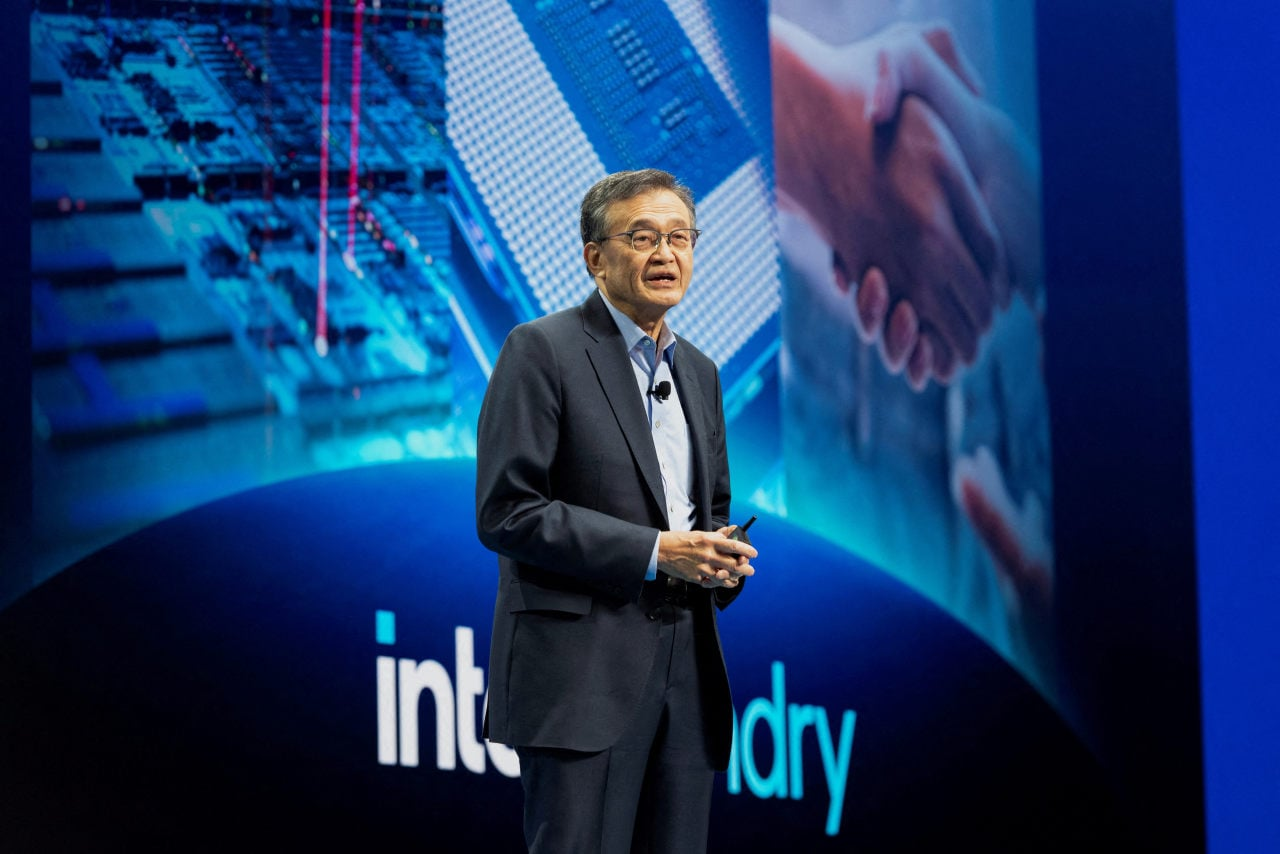
Intel Foundry has not ignored this concern, and it is already moving toward stronger separation mechanisms. Intel VP John Pitzer addressed this directly while speaking at the UBS event, describing ongoing steps that create optionality for more independence, including an advisory board for Intel Foundry and progress toward establishing it as its own legal entity. Pitzer also indicated that if CEO Tan and the board concluded a spin off would create value, they would move quickly.
From a market dynamics standpoint, the hesitation Yoffie describes is not theoretical. Fabless leaders treat design security as core IP defense, and even a small perception of exposure can change sourcing strategy, especially for next generation products. At the same time, Intel Foundry’s push to formalize governance separation signals it understands the dealbreaker risk and is attempting to de risk customer onboarding at the structural level, not just through messaging.
The next chapter will be defined by whether Intel can convert process competitiveness into customer confidence. With 18A mass production approaching and 14A positioned as a major future anchor, Intel Foundry’s operational credibility and perceived independence will likely determine whether exploratory interest turns into durable, high volume commitments.
Do you think Intel should fully separate foundry and product operations to unlock major customers, or can strong internal firewalls and a dedicated legal structure deliver the same trust at lower disruption?
