
Ninja Theory Reveals Senua, a New Action Adventure Built Around More Gameplay and Player Agency
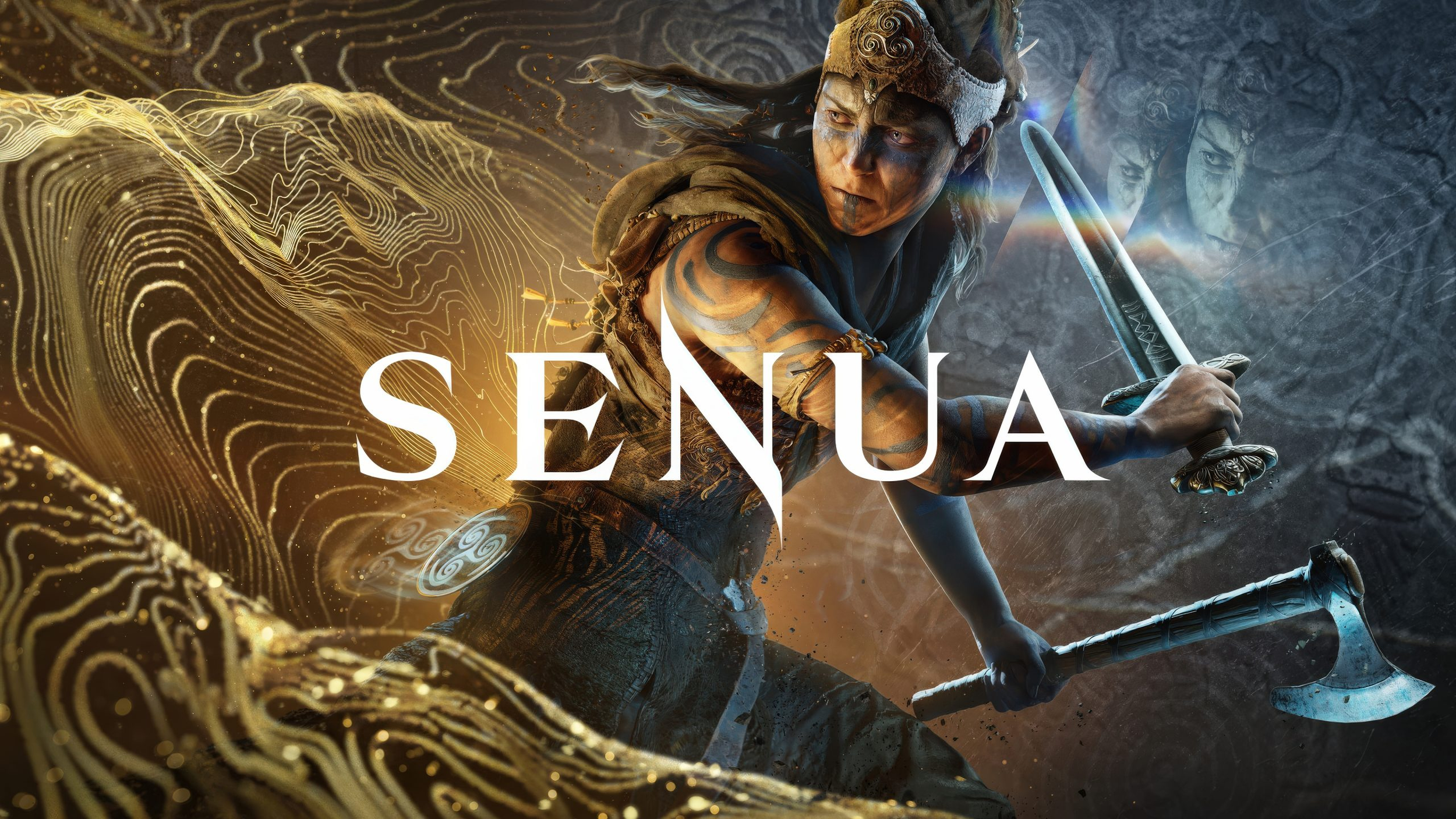
Ninja Theory delivered one of the biggest surprises of the Xbox Games Showcase 2026 with the reveal of Senua, a new action adventure game centered on the protagonist of the Hellblade series. While the game follows the events of Senua’s Saga: Hellblade II, the studio made it clear through an official Xbox Wire interview that this is not Hellblade III. Instead, Senua is being developed as a different kind of experience, one that expands the world, combat, traversal, puzzles, and exploration while keeping the emotional storytelling and cinematic quality that defined the previous games.
The direction feels like a direct response to what many players said after Hellblade II. Fans praised the atmosphere, visuals, performance capture, sound design, and intimate tone, but many also wanted more gameplay and greater agency. Ninja Theory appears to have listened closely, building Senua as a broader action adventure that gives players more to do while still preserving the psychological and emotional core of the character.
Studio Head Dom Matthews described the title as a sign that the project is something new for the studio.
"fresh and new and different."
— Dom Matthews
According to Matthews, the project is additive. Ninja Theory is taking what worked in Hellblade and adding the systems players expect from a premium action adventure game. That means a stronger focus on combat, traversal, puzzle solving, exploration, and choice in how players move through encounters. The studio wants to satisfy longtime Hellblade fans while also welcoming players who may have wanted a fuller gameplay experience from the series.
A major development change is that Ninja Theory brought the entire studio together on one project for the first time in over 12 years, going back to DmC: Devil May Cry. Matthews said around 85 creatives are working on Senua, which remains relatively small compared with many modern AAA teams. The cancellation of Project Mara also allowed the studio to focus its talent on Senua and push the project further.
Senua is being structured around a fairly even balance between combat, traversal, and puzzle solving. Matthews stressed that players should not expect the game to become a combat heavy title.
"two thirds combat."
— Dom Matthews
Instead, the goal is to create a broader action adventure that feels more open and active without losing the focus and quality associated with Hellblade. That design shift is also reflected in the game’s larger map, more connected areas, increased player freedom, and more flexible combat systems.
Combat is one of the clearest expansions. Unlike the first 2 Hellblade games, where fights were usually intimate one versus one encounters, Senua will now face multiple enemies at once. Ninja Theory says the new system is built around tactical choice, allowing players to decide whether to sneak in carefully, attack directly, or use the environment to gain an advantage.
The trailer shows Senua using a wider set of weapons, including a long axe, short axe, dual wielding options, and throwing weapons. These tools are not only cosmetic. Some weapons can be carried, while others are temporary items picked up from the environment and used during specific situations. Matthews described scenarios where players might sneak around a fight, grab a weapon, use it to eliminate a dangerous enemy, then return to the wider battle.
Dual wielding is also supported with almost all of these weapons, giving players more freedom to express their combat style. This is a major shift for a series that previously leaned more heavily on focused cinematic duels.
Senua also introduces Focus Abilities, which are tied to her beliefs and understanding as the journey unfolds. One example shown is her ability to shatter reality, opening new spaces in the world while also working as a crowd control tool in combat. These abilities are not separate from the rest of the game. They are used across traversal, puzzle solving, and fighting, making them a central part of how players interact with the world.
Exploration has also been expanded significantly. The map is about 2 times the size of Hellblade II’s, though Ninja Theory emphasized that Senua is not an open world game. Instead, it is a linear story told through interconnected locations. Players will revisit certain places during the narrative, but the world is more open than before and built to reward observation and curiosity.
The studio wants exploration to feel meaningful rather than decorative. Players can discover secrets, and some of those discoveries are connected to Senua forming new beliefs that alter how she perceives the world. One example involves a tree that initially seems insignificant but later gains meaning and power, opening access to a new area.
Traversal is also much more active. Movement is designed to feel freer and faster, with more control over how players navigate spaces. Senua can now vault, climb, and jump more often, while the world includes more verticality and multi level areas than the previous Hellblade titles. Her ability to focus and perceive reality differently still plays a role, but now it is combined with a more versatile movement kit.
The story takes place after both Hellblade: Senua’s Sacrifice and Senua’s Saga: Hellblade II. This time, Senua is trapped in Purgatory, specifically in her vision of her childhood homeland. She is caught between life and death, searching for the afterlife in the hope of reuniting with the loved ones she has lost.
Her belief is that healing the wounds of her life will bring peace and open the gate to the afterlife. Returning fans will recognize characters, themes, and emotional threads from the previous games, but Ninja Theory is also designing Senua to be accessible for new players who may not have experienced the Hellblade series before.
One of the most surprising details is the relatively fast turnaround. Hellblade II launched in 2024, and Senua is scheduled for 2027. Matthews said the pace is deliberate rather than rushed, because the studio already had the technology, pipeline, team, and concept in place. Development on Senua had already started by September 2024, only a few months after Hellblade II released in May.
Senua will launch on Xbox Series X|S, Xbox on PC, cloud, Steam, and PlayStation 5. It will also be included with Game Pass and support Xbox Play Anywhere.
For Ninja Theory, Senua looks like an important evolution. It keeps the character, emotional intensity, and cinematic identity that made Hellblade stand out, but it directly addresses one of the biggest criticisms of Hellblade II by building a fuller gameplay structure around combat, traversal, puzzles, exploration, and player choice.
If the studio can maintain the intimacy of Senua’s story while delivering stronger action adventure systems, Senua could become the game that brings the character to a much wider audience.
Are you more excited for Senua because of the expanded combat, larger exploration areas, deeper traversal, or the continuation of Senua’s emotional journey?
