
Neon Giant Says NO LAW Lets You Kill Any Character and Live With the Fallout, With Immersive Sims as the Core Inspiration
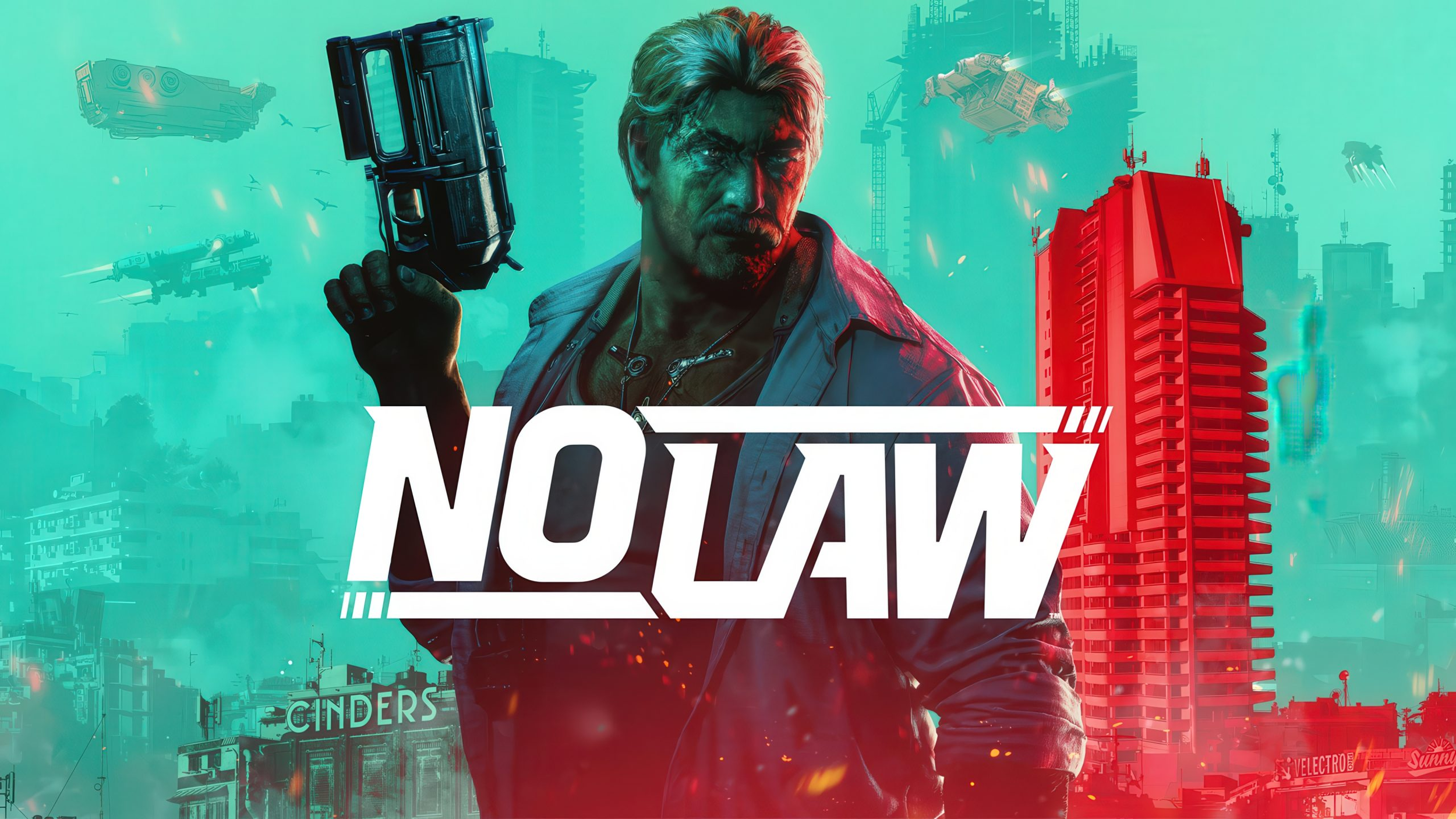
Neon Giant’s NO LAW stood out as one of the most talked about reveals from The Game Awards 2025, largely because it looks like the kind of first person open world shooter that invites instant comparisons to Cyberpunk 2077. The studio, best known for The Ascent, has been quick to clarify that the goal is not to chase the same scale. Instead, the team has framed NO LAW as a more intimate experience built around player driven systems rather than sheer size.
In a new interview with EDGE magazine #421, Neon Giant co founder and creative director Arcade Berg confirmed the real blueprint behind NO LAW is immersive simulations, leaning into systemic design where the world reacts to what players do, not what the script demands.
Berg’s comments are positioned like a direct value proposition to imsim fans, but also to players coming from open world shooters, narrative heavy RPGs, and cyberpunk settings. The studio appears to be targeting a broad overlap between fans of emergent gameplay and players who simply want a stylish world with strong storytelling momentum. The destination is Port Desire, and the player character is known as the Gardener.
The most headline grabbing mechanic is the promise that you can kill any character in the entire game, but you must live with the consequences. That does not mean the story collapses into chaos, but it does mean the game is designed to acknowledge what you have done and force you to own it. Berg described pivotal characters who can be essential to helping you progress, and if you remove them, the game will warn you and offer the option to load a prior save. If you continue anyway, you are effectively choosing to operate without that support network, and the burden shifts fully onto you. That is a very imsim style philosophy, because the weight comes from systemic permanence, not from a dialogue wheel choice that the world conveniently cleans up later.
Neon Giant also described a wanted system that escalates in a way meant to feel internally consistent. Build up enough bounty and you become shoot on sight. Before that threshold, you still have options, including paying off the bounty. The key point is that the studio is aiming for a world that follows its own logic continuously, with consequences emerging from systems rather than handcrafted mission scripting.
At the same time, Berg was careful not to oversell branching narrative in a way that creates false expectations. NO LAW is still described as a noir inspired story in a cyberpunk world, with a structured beginning, middle, and end. The variation is not about splitting into completely different campaigns, but about how the story is told and tilted by the player’s actions, details, and outcomes. That framing is important because it sets expectations for players who associate immersive sims with flexibility and consequence, while still maintaining a curated narrative arc.
Another meaningful design choice is the lack of moral judgment around stealth versus loud play. Unlike some immersive sim adjacent titles where stealth is treated as the ideal and chaos is treated as failure, NO LAW will not penalize you for being seen. NPCs may comment that you caused a scene, but the tone is described as celebratory rather than scolding, positioning loud combat as a valid, even stylish identity for the Gardener.
The interview also highlights a few practical examples of how this systemic approach will show up in play. The Gardener can kick characters off balconies into the sea, and the studio noted that this was among the first features implemented, which reads like a deliberate commitment to physical interaction and emergent problem solving. There is also mention of fights against a giant mech, with success tied to having the right equipment, reinforcing the idea that loadout choices and preparation will matter in a more grounded way than pure stat scaling.
NO LAW is published by KRAFTON and does not have a release date yet. The project is still in the tracking phase, but this interview provides a sharper picture of what Neon Giant is building: a cyberpunk noir shooter with imsim DNA, focused on consequence, systemic consistency, and player authored detail rather than maximalist scope.
If a game warns you that you just killed a critical character, would you reload immediately or commit to the run and accept whatever chaos the systems throw back at you?
