
MSI Taiwan Confirms NT$165,000 Lottery Price for GeForce RTX 5090 Lightning Z, Putting Its Street Cost Near US$5,220
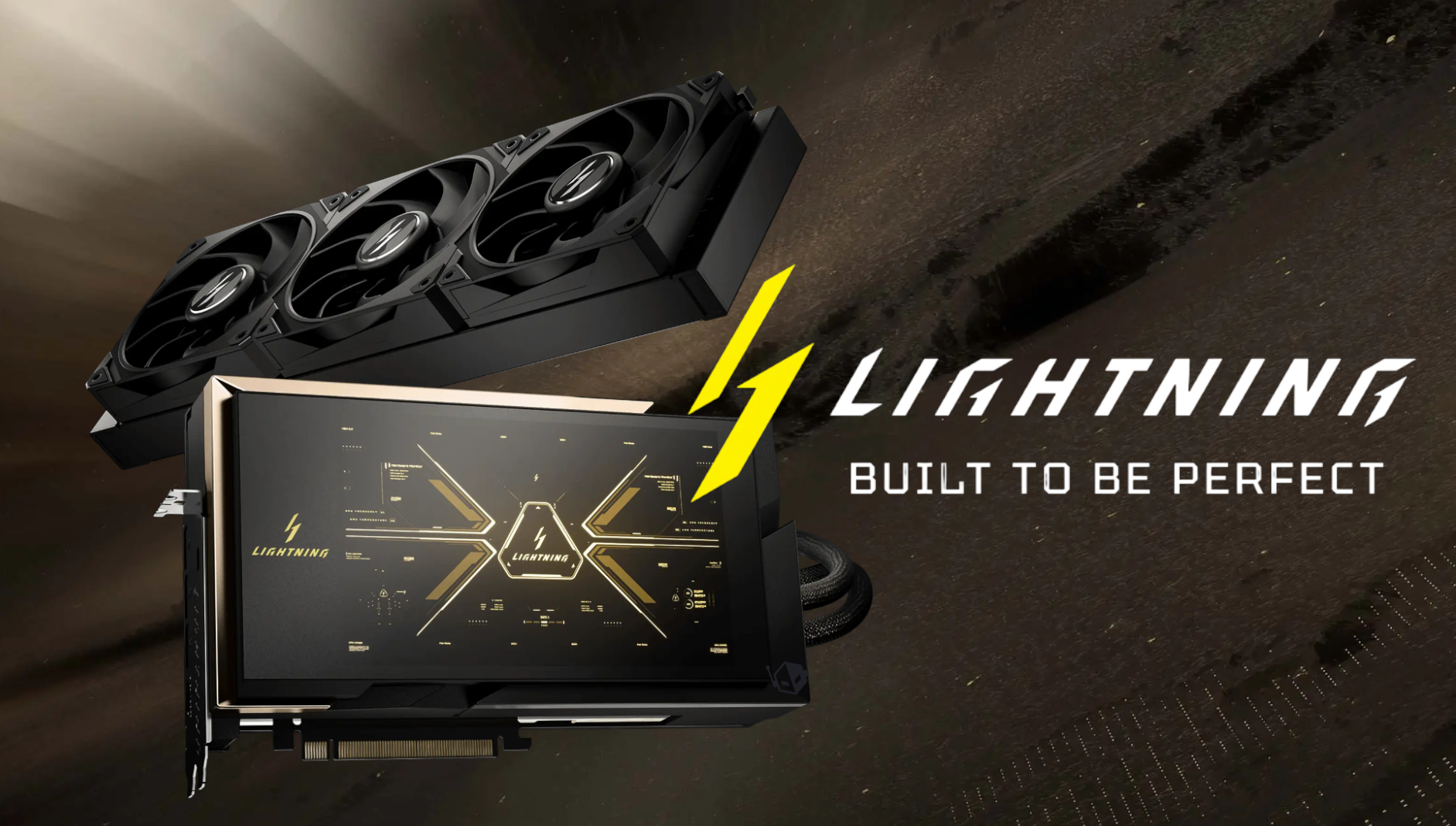
MSI Taiwan has confirmed an official purchase path and price point for the GeForce RTX 5090 32G Lightning Z, and it is not a normal retail launch. Instead of a conventional first come first served sale, MSI is running a 24 hour lottery event where winners earn the right to purchase the card, locking the price at NT$165,000, which converts to roughly US$5,220.
This pricing positions the RTX 5090 Lightning Z as one of the most expensive consumer GeForce cards currently visible in the market, and the exclusivity model reinforces that MSI is treating it as a collector grade, enthusiast focused halo product rather than a mass market flagship. MSI has also indicated the Lightning Z is limited, with 1,300 units planned for worldwide shipping, which helps explain why MSI is controlling access through a lottery format instead of standard availability that would likely collapse into instant scalper driven sellouts.
Beyond the pricing and allocation, the Lightning Z is being positioned as a performance first monster for extreme overclocking. MSI is rating the card at up to 2,500W maximum TDP limit and has also been associated with an officially unlocked 1,000W profile, which is well beyond the typical power ceiling users expect from this class of GPU. The point of the product is not quiet efficiency or clean value per frame. It is headroom, spectacle, and pushing the absolute boundary of what an RTX 5090 can do in the hands of a serious enthusiast with the cooling and power infrastructure to match.
For Taiwan specifically, MSI’s lottery rules are straightforward and time boxed. The entry window runs from 2026 02 09 at 10:00 AM to 2026 02 10 at 10:00 AM. MSI will announce winners the following day, and those winners will receive the official store purchase link through SMS and email on 2026 02 12. Importantly, MSI states there will be only 10 winners for this Taiwan lottery, which makes the event less like a sale and more like a controlled invitation to buy.
This matters because even standard RTX 5090 pricing in many retail channels has been trending painfully high, and buyers are already paying premium amounts for models that do not offer the Lightning Z’s halo positioning, engineering focus, or display and design extras. MSI’s move effectively acknowledges a market reality: the top end is now a luxury tier where scarcity and extreme hardware characteristics can command pricing that previously belonged to full PC builds.
On the enthusiast side, the Lightning Z story also has a second track: BIOS experimentation. A 1,000W BIOS profile tied to the Lightning Z has been appearing in public BIOS databases and enthusiast forums, and users have begun flashing it onto non MSI RTX 5090 models from other vendors. The file is visible on the TechPowerUp VGA BIOS database, and discussion around cross flashing behavior is active in the Overclock owners club thread.
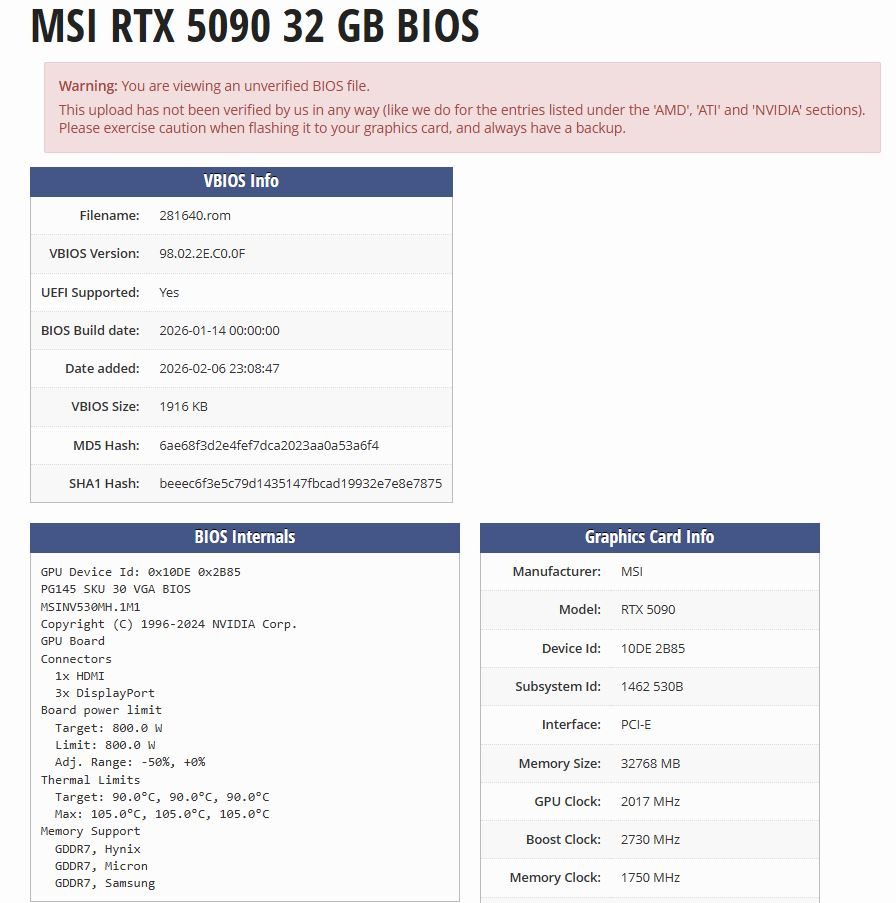
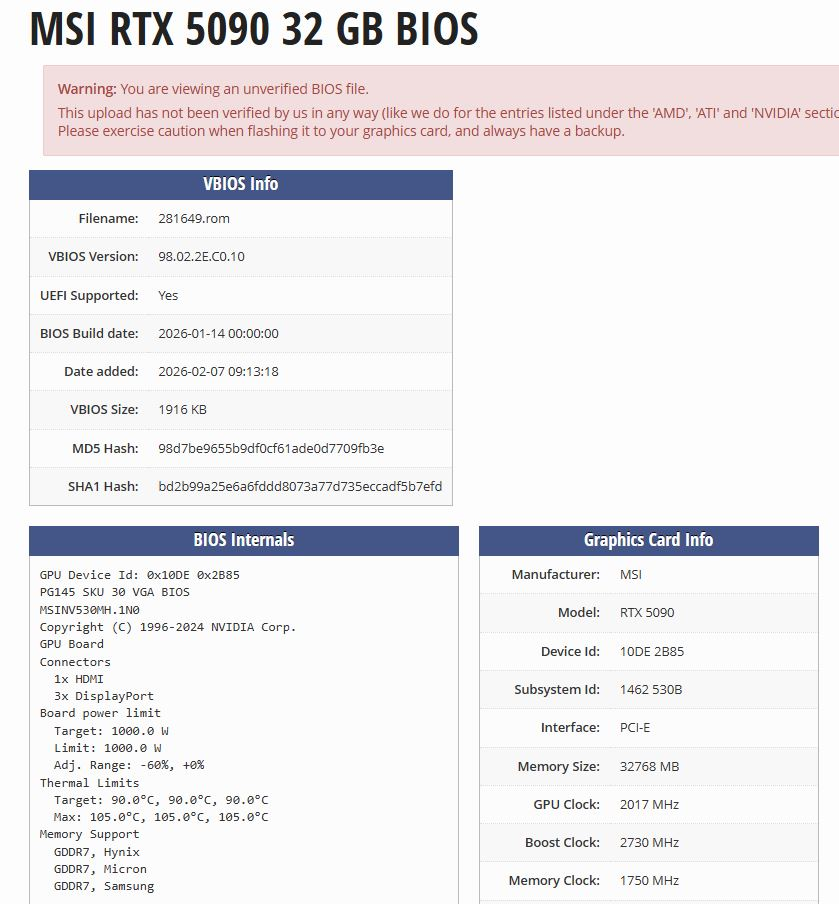
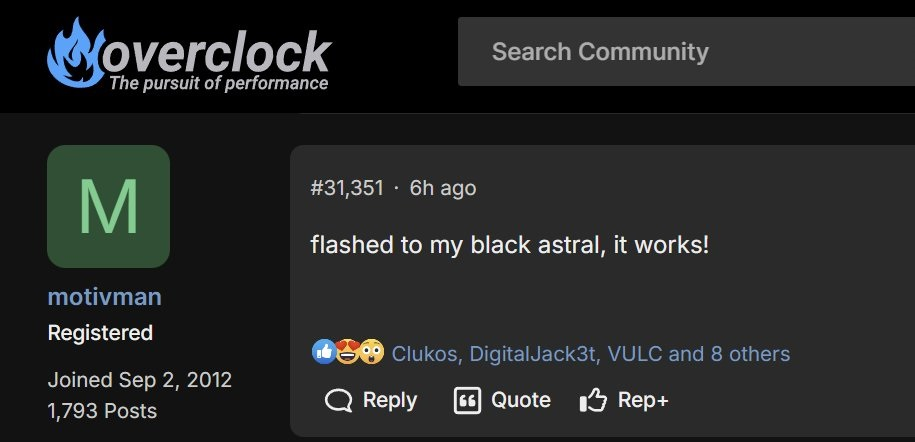
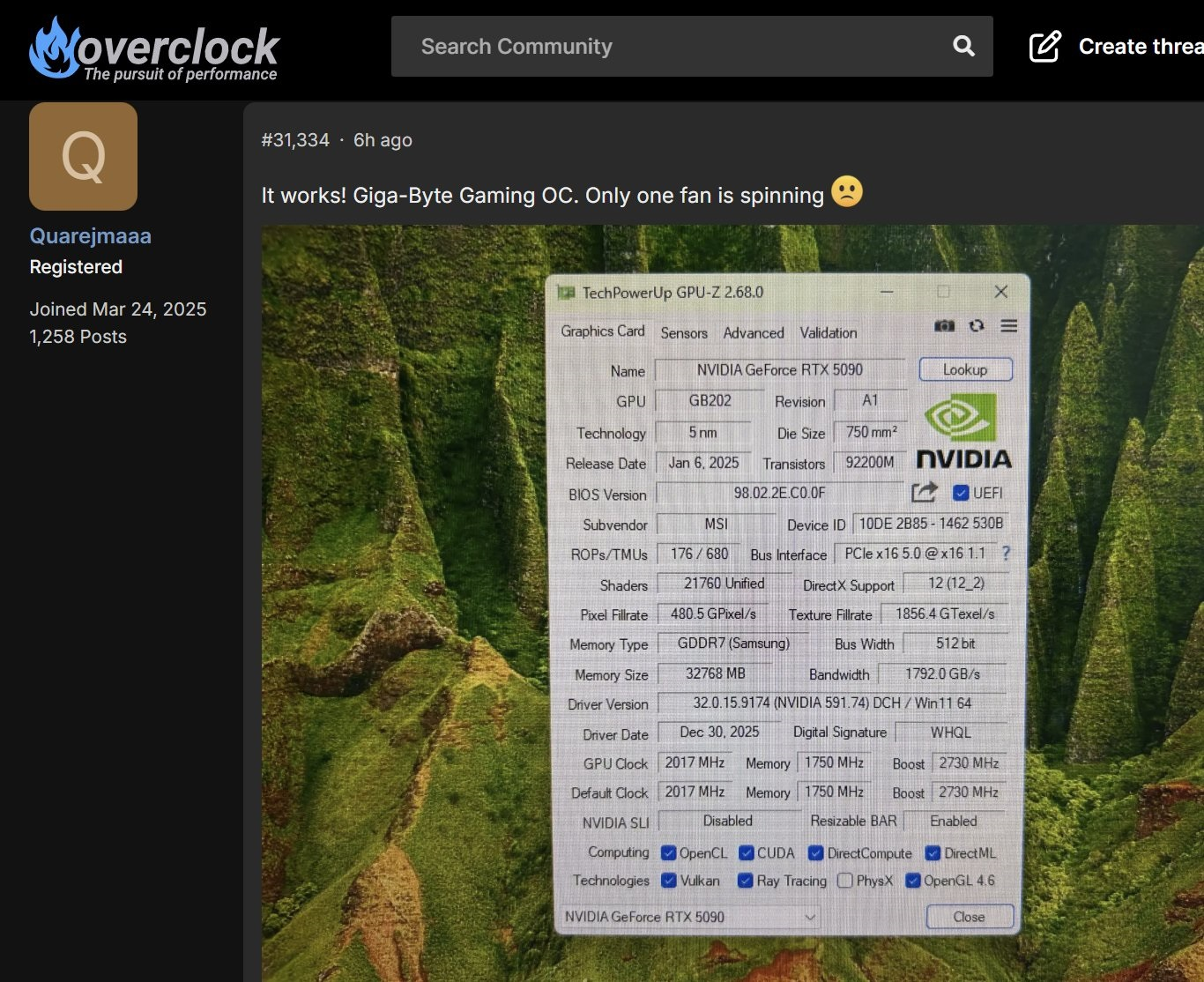
This is where the hype collides with risk. The 12V 2x6 connector is typically rated for 600W, and pushing far beyond that raises the probability of overheating or connector damage. Flashing non OEM BIOS files can also void warranty coverage, increasing the likelihood of rejected RMA requests if anything goes wrong. In other words, the Lightning Z’s appeal is exactly the same thing that can turn it into a very expensive lesson if users chase maximum wattage without the right platform, cables, and thermal design.
MSI’s lottery pricing announcement effectively confirms what many gamers have been feeling all generation: the ultra premium tier is no longer priced like a consumer GPU market, it is priced like a boutique performance segment. For buyers who just want high end gaming, the Lightning Z is not the rational choice. For extreme overclockers and collectors, it is a statement product, but one that demands caution and serious infrastructure.
If you had the chance to buy the RTX 5090 Lightning Z at NT$165,000, would you treat it as a trophy GPU for safe daily use, or would you actually push the 1,000W profile even with the warranty and connector risks?
