
MSI Calls 2026 Its “Most Difficult” Year Yet as Memory and GPU Shortages Push Prices Higher
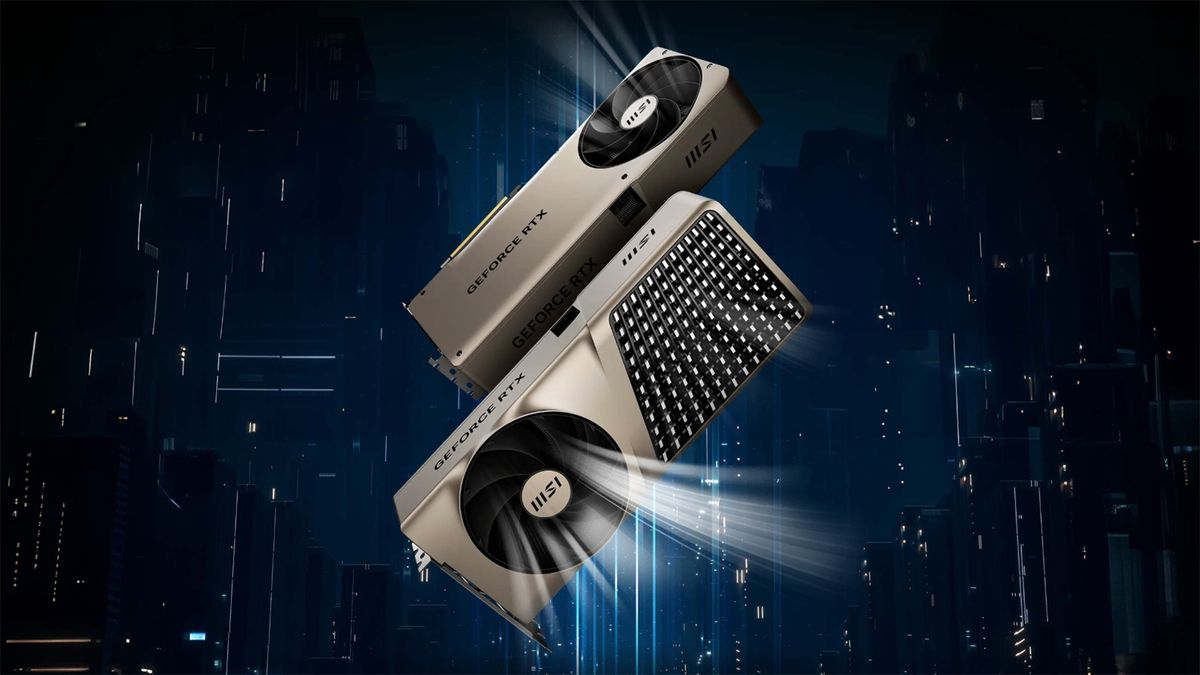
MSI is warning that 2026 is shaping up to be the toughest operating environment in the company’s history, as severe memory shortages and weaker than needed GPU supply continue to squeeze the PC hardware market. According to reports citing MSI’s March 13 investor briefing and coverage from Economic Daily News, the company is preparing to raise prices on gaming products by roughly 15% to 30% while adjusting its product mix and supply strategy to deal with worsening component constraints.
The most immediate pressure point appears to be graphics cards. Reports say MSI told investors that NVIDIA GPU supply is down by about 20%, which is forcing the company to rethink how it allocates product across the market. Coverage of the briefing says MSI now expects to place greater emphasis on higher end RTX 50 series products while reducing the share of lower end models, a move that reflects both tighter chip availability and the need to protect margins in a distorted supply environment.
At the same time, memory remains a major part of the problem. Reuters reported in January that soaring demand from AI infrastructure has driven severe memory price inflation across the broader electronics market, with consumer device makers facing worsening cost pressure as suppliers struggle to keep up. That broader industry backdrop helps explain why MSI is not treating this as a short term GPU issue alone, but as a wider component crisis affecting the economics of gaming laptops, desktops, and graphics cards at the same time.
This is also why MSI’s reported strategy is broader than a simple price increase. According to the same briefing coverage, the company is pursuing 3 parallel responses: raising gaming product prices by 15% to 30%, locking in longer term memory supply agreements, and pushing harder into the server business as a future growth engine. Reports say MSI is targeting server revenue growth of 50% to 100% over the next 5 years, which suggests the company sees AI infrastructure and enterprise demand as a stabilizing counterweight to the volatility now hitting the consumer PC space.
From an industry perspective, the message is not subtle. Vendors that rely heavily on gaming hardware revenue are being hit from both sides. On one side, component costs remain elevated because memory capacity is being absorbed by AI data center demand. On the other, GPU chip supply is not keeping pace with board partner needs. That leaves companies like MSI with very little room to preserve pricing without taking margin damage. Reuters noted that rising memory prices are already dimming the outlook for consumer electronics makers more broadly, which fits directly with MSI’s warning that this year may be its hardest yet.
The likely outcome for buyers is simple but painful. Gaming hardware may become even more expensive in the near term, especially in categories already under pressure from VRAM cost and limited GPU allocation. While some segments of the market have seen temporary relief at specific performance tiers, MSI’s remarks suggest the overall supply environment is still unstable enough that another round of price normalization upward is now being treated as necessary rather than optional. That inference is based on MSI’s reported investor briefing comments and the broader memory market conditions reported by Reuters.
For the PC market, this is another sign that 2026 is being defined less by normal product cycles and more by supply chain triage. MSI is not just reacting to one bad quarter. It is signaling that the old balance between mainstream gaming demand, high end enthusiast demand, and enterprise AI demand has broken down in a way that now directly affects pricing strategy.
Do you think gamers will keep paying higher prices through this shortage cycle, or could another round of increases finally start pushing demand back down?
