
More Than 3,500 Unionized Xbox Workers Prepare to Fight Reported Mass Layoffs
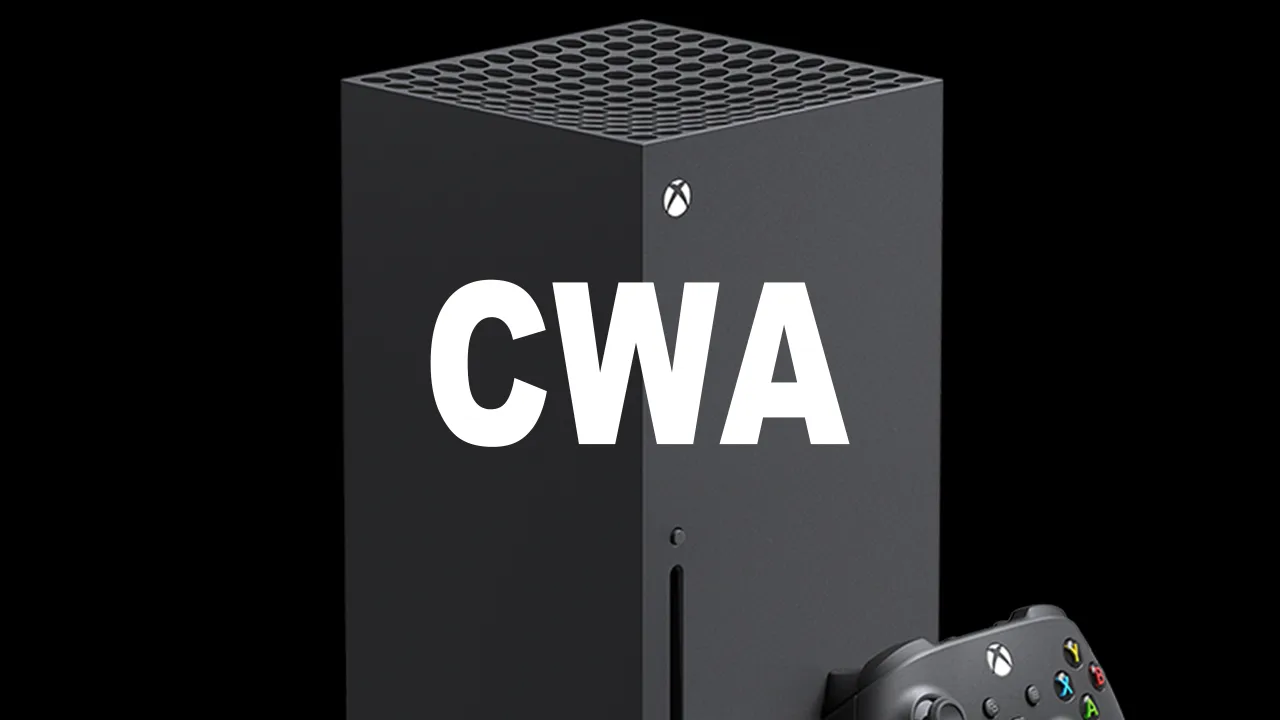
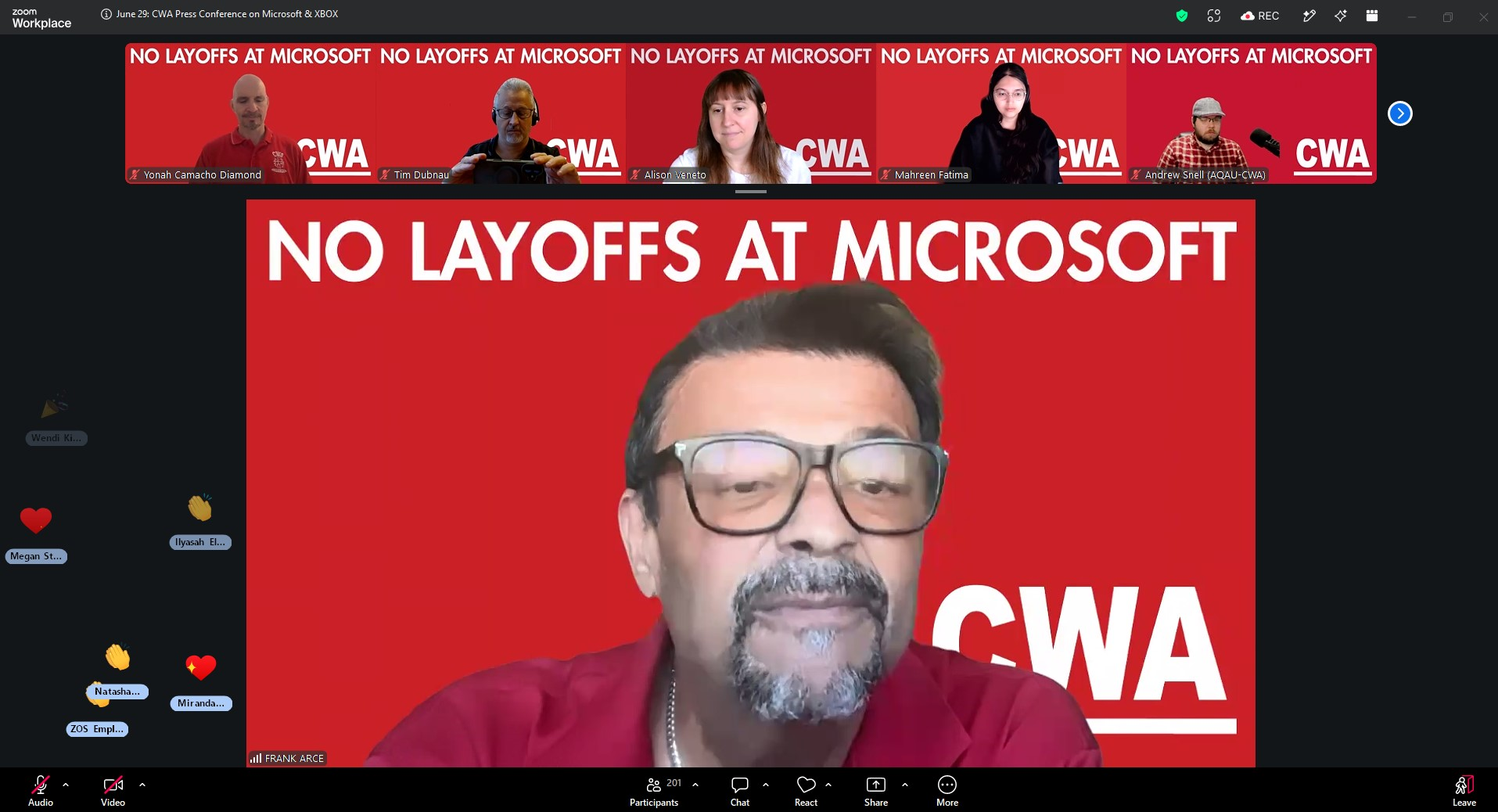
The Communications Workers of America and more than 3,500 unionized Microsoft gaming employees are preparing to challenge another reported wave of major Xbox layoffs, demanding greater transparency, meaningful negotiations, internal transfer opportunities, and stronger severance protections before additional jobs are eliminated. The union presented its position during a virtual press conference on June 29, bringing together employees from Activision, Blizzard, ZeniMax Online Studios, and other Microsoft owned gaming teams.
The conference followed reports that Microsoft is planning significant Xbox layoffs and budget reductions after the end of its fiscal year on June 30. Microsoft has not officially announced the number of affected employees, identified every studio involved, or confirmed when the restructuring will begin. However, the Communications Workers of America says it expects cuts and intends to bring Microsoft back to the bargaining table when decisions affecting represented workers are communicated.
"Microsoft workers will not be treated as disposable."
— Frank Arce
Frank Arce, vice president of CWA District 9, opened the conference by arguing that protections should extend beyond current union members to every employee working across Xbox. Speakers emphasized that union representation cannot guarantee that every job will survive a corporate restructuring, but it can require management to negotiate over how layoffs are implemented and what support affected employees receive.
The union is asking for advance notice before positions are eliminated, temporary hiring freezes that allow existing employees to apply for open internal roles, greater opportunities to transfer between studios, and substantial severance packages when cuts cannot be avoided. Workers also want Microsoft to demonstrate that it has explored alternatives before removing entire teams or eliminating thousands of positions.
"Everyone at Xbox deserves long term certainty on where they stand should layoffs happen."
— Alison Veneto
Several employees explained how earlier cuts shaped their decision to organize. ZeniMax Online Studios developer Morgan Goin discussed the closure of Arkane Austin, where employees had reportedly received positive messages about their progress before Microsoft shut the studio in 2024. Activision quality assurance tester Andrew Snell described losing a contractor position before later successfully applying to return, illustrating how quickly experienced workers can be removed and then replaced through another hiring process.
Goin also criticized the pace of current contract negotiations, stating that Microsoft now provides approximately 4 hours per month for bargaining compared with 12 hours previously. According to the union, bargaining committee members are prepared to meet more frequently, but Microsoft has not provided enough time to address job security and other unresolved contract issues at the speed workers consider necessary.
The growing labor movement inside Microsoft Gaming began with the labor neutrality agreement between Microsoft and CWA, which was announced while Microsoft was seeking regulatory approval for its acquisition of Activision Blizzard King. The agreement requires Microsoft to remain neutral when eligible Activision Blizzard employees choose whether to organize. Similar protections were later extended to ZeniMax Media, helping thousands of developers, artists, quality assurance testers, editors, and other employees form unions without direct management opposition.
That framework has produced several recognized bargaining units and completed contracts, but it has not ended job losses. Microsoft eliminated approximately 1,900 gaming positions in January 2024, followed by another 650 positions later that year and thousands of company wide jobs during 2025. Union representation instead gives covered employees a formal mechanism to negotiate severance, workplace changes, transfers, and the impact of restructuring.
The current pressure follows reports that new Xbox leadership is preparing a broader reset focused on profitability, reduced spending, fewer strategic priorities, and possible studio closures. The union members challenged the idea that another major reduction should be described as a new beginning for Xbox. They argued that repeated layoffs, cancelled projects, and studio closures have already been used throughout previous restructuring efforts without creating the long term stability management continues to promise.
"Devs are not asking for multimillion dollar salaries, just protections that allow them to focus on making great games."
— Sherveen Uduwana
Uduwana, treasurer of United Video Game Workers, argued that a genuine reset would require Xbox leadership to change how it treats employees rather than repeating the same pattern of large cuts. Workers want layoffs to be considered a failure of planning and leadership instead of a routine method for correcting years of acquisitions, changing strategies, and unrealistic financial targets.
Microsoft has not publicly responded to every demand raised during the conference. Until the company formally announces its restructuring, the scale and distribution of the expected cuts remain uncertain. The CWA has nevertheless made its position clear: its members will request immediate bargaining and fight for protections covering both employees who remain and those whose positions may be eliminated.
The neutrality agreement helped Microsoft complete one of the largest acquisitions in gaming history by presenting the company as a more cooperative partner for organized labor. Microsoft now faces the more difficult test of demonstrating whether that commitment has meaningful value when workers are threatened by large scale restructuring.
A union cannot force Xbox to preserve every studio or project, but advance notice, fair severance, internal transfers, and serious bargaining are reasonable demands from employees who have repeatedly watched strategic failures become personal job losses. Studios do not decide to spend billions on acquisitions, change business models, or cancel projects after years of development. Those decisions come from leadership, yet developers often absorb the greatest consequences.
Another wave of cuts may improve short term financial reporting, but repeated instability creates its own cost through lost experience, damaged morale, recruitment difficulties, and disrupted production. A real Xbox reset should address how projects are approved and managed, not simply reduce the number of people available to complete them.
Should Microsoft be required to offer stronger transfer and severance protections before carrying out another major round of Xbox layoffs?
