
Montech Celebrates 10 Year Anniversary With $69 TEN Micro ATX Case Built For Modular PC Builds
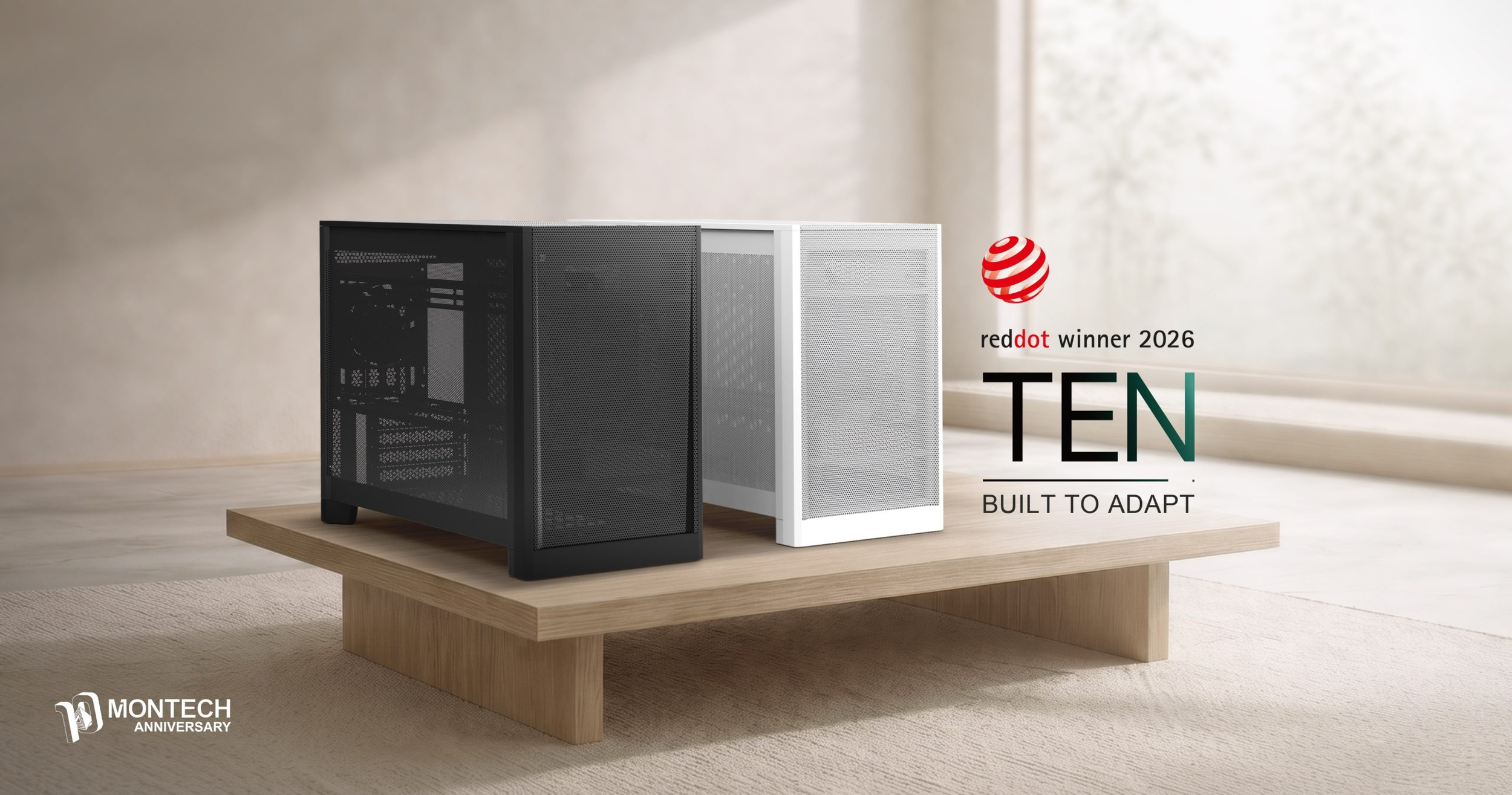
Montech is celebrating its 10 year anniversary with the launch of TEN, a new $69 micro ATX PC case designed around flexibility, compact performance, and enthusiast focused hardware compatibility. Built under the company’s Build to Adapt concept, TEN brings a highly modular layout that allows users to configure the chassis around different cooling and component priorities without moving into a larger case category.
The new TEN case reflects Montech’s decade of experience in the PC case market, offering a compact footprint while still supporting serious gaming and workstation hardware. Although micro ATX cases are often associated with space limitations, Montech has designed TEN to provide strong airflow, flexible cable routing, wide hardware clearance, and multiple installation layouts for different types of builders.
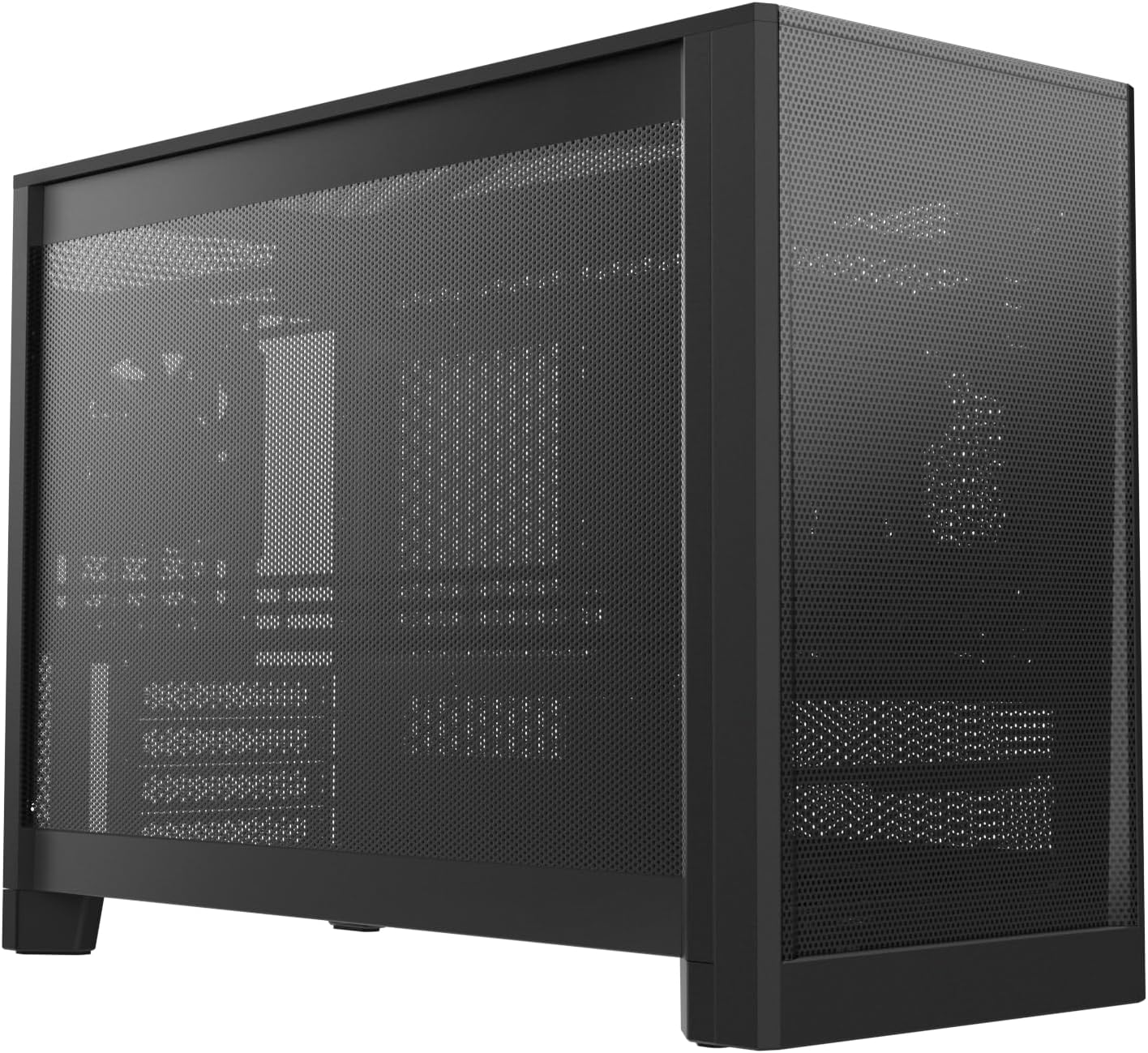
The core of the case is its 3 operating modes: M1, M2, and I3. Each mode changes how the system can be configured depending on the user’s target build.
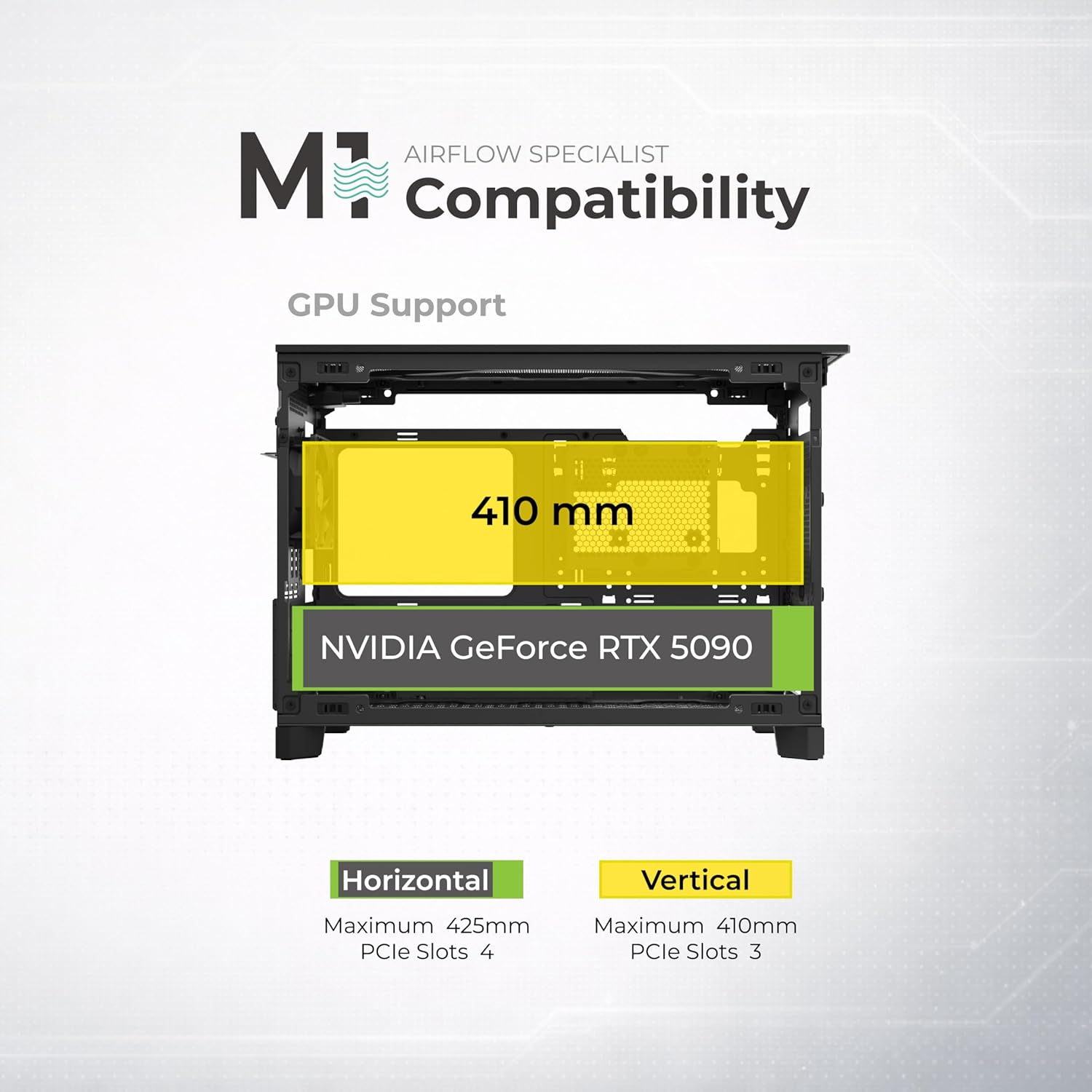
M1 is built for users who prioritize airflow. This mode focuses on maximizing ventilation, making it ideal for builders who want to keep high performance components cool through stronger air movement and better thermal balance.
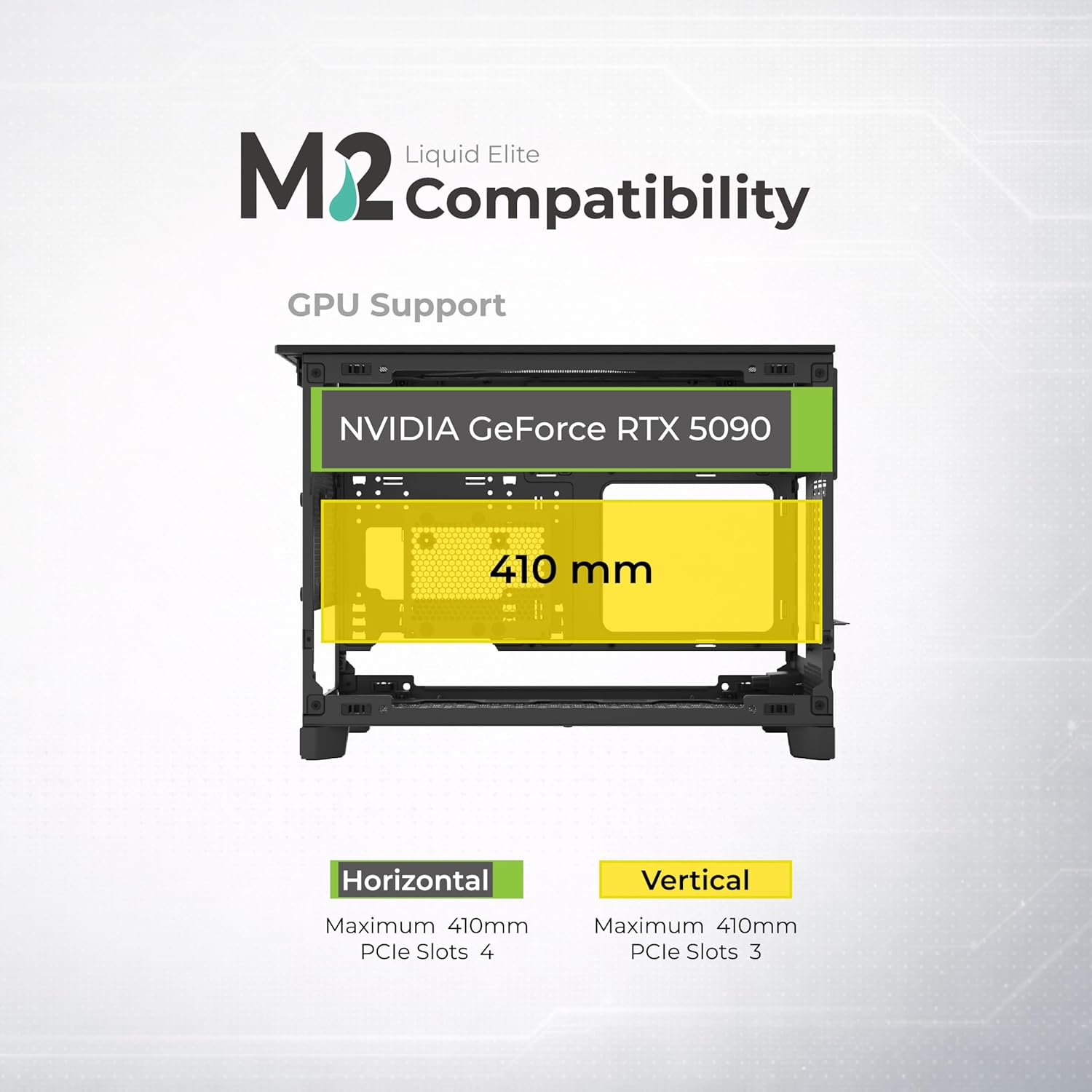
M2 is designed for liquid cooling focused builds. In this configuration, users can install a large 360 mm AIO liquid cooler inside the chassis while still maintaining room for other key components. This gives compact PC builders more flexibility when designing a system around stronger thermal performance.
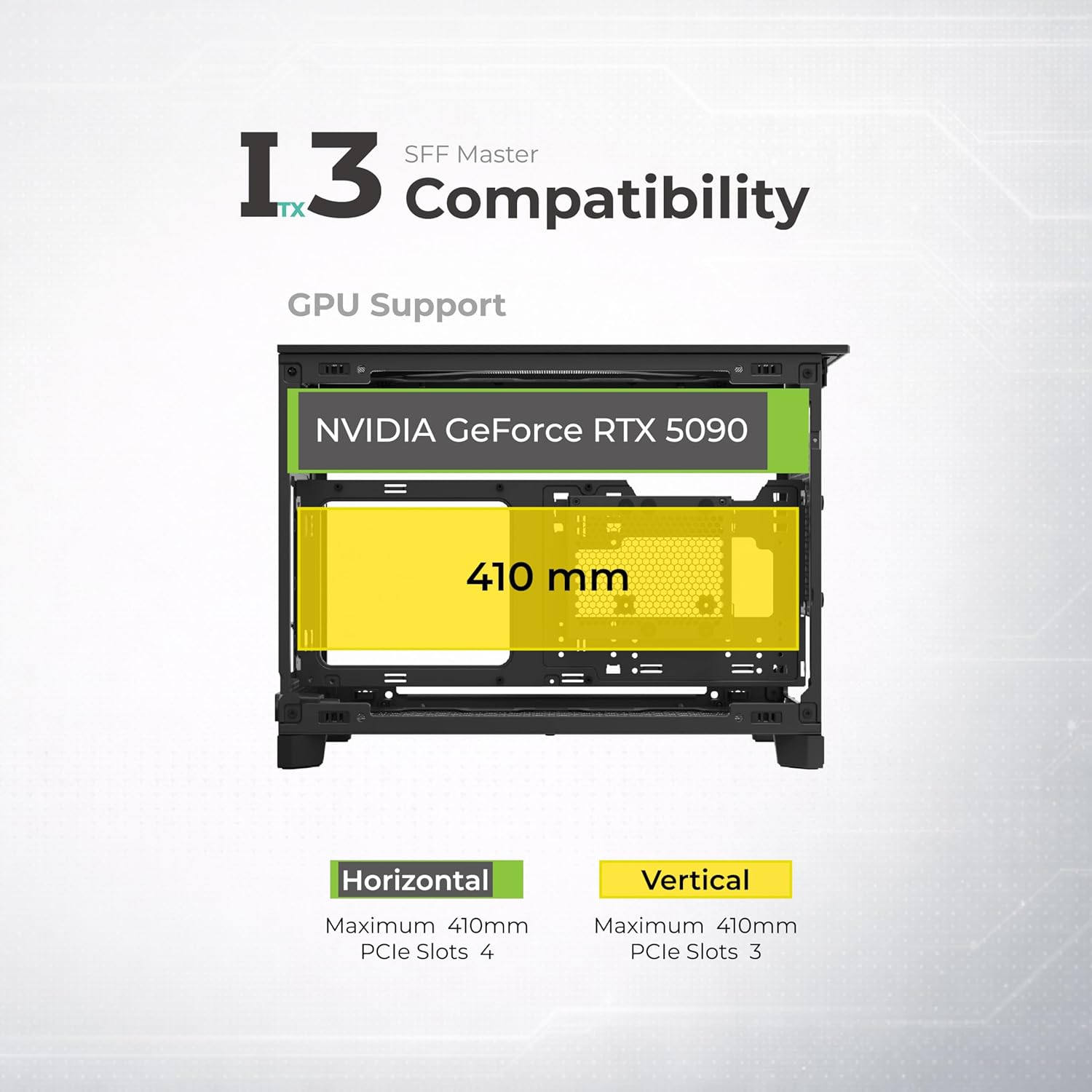
I3 is the most space focused configuration, aimed at users who want to fit as much hardware as possible into the smallest practical footprint. This mode is made for compact setups where space efficiency matters, but without completely sacrificing hardware compatibility.
Montech says TEN supports several hardware installation positions, including 7 positions for the power supply, 3 positions for the motherboard, and 9 positions for GPUs. This level of flexibility is unusual for a micro ATX case and positions TEN as a strong option for builders who want more control over internal layout planning.
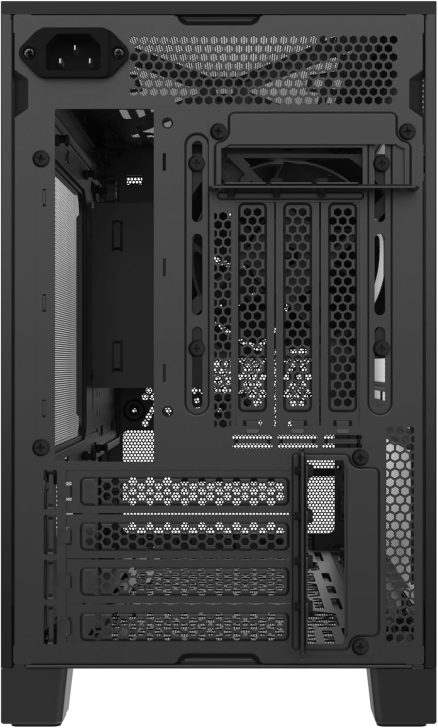
Another standout feature is the inclusion of 7 expansion slots, divided across different sections to support multiple GPU orientations. This gives builders more freedom when choosing how to mount their graphics card, which is especially important as modern GPUs continue to grow in size, width, and cooling requirements.
GPU clearance is also a major selling point. TEN can support graphics cards up to 425 mm long, depending on the selected operating mode. M1 offers the most GPU clearance, but all 3 modes are designed to support modern triple fan graphics cards. For gamers building around high end GPUs, this gives the case a practical advantage over many compact alternatives.
The TEN also reflects a wider trend in PC case design. Enthusiasts are increasingly looking for compact systems that do not compromise too heavily on thermals, expandability, or visual customization. By offering multiple build modes, Montech is giving users a more strategic way to plan their system instead of forcing every build into a fixed internal structure.
For a $69 case, the feature set is aggressive. Support for a 360 mm AIO, long GPUs, multiple PSU positions, and several motherboard and GPU layouts makes TEN a strong value driven option for gamers, DIY builders, and compact PC enthusiasts who want a flexible chassis without moving into premium pricing.
The Montech TEN is now available on Amazon in Black and White, giving users 2 color options for matching their setup.
With TEN, Montech is using its 10 year anniversary to deliver more than a commemorative case. It is positioning the chassis as a modular platform for modern compact PC building, balancing affordability, airflow, cooling support, and GPU compatibility in a form factor that should appeal to both first time builders and experienced enthusiasts.
Would you build your next compact gaming PC around airflow, liquid cooling, or maximum hardware density?
