
Microsoft Gaming CEO Asha Sharma Faces Early Community Scrutiny After X Replies Trigger AI Bot Claims and Fresh Gamertag Questions
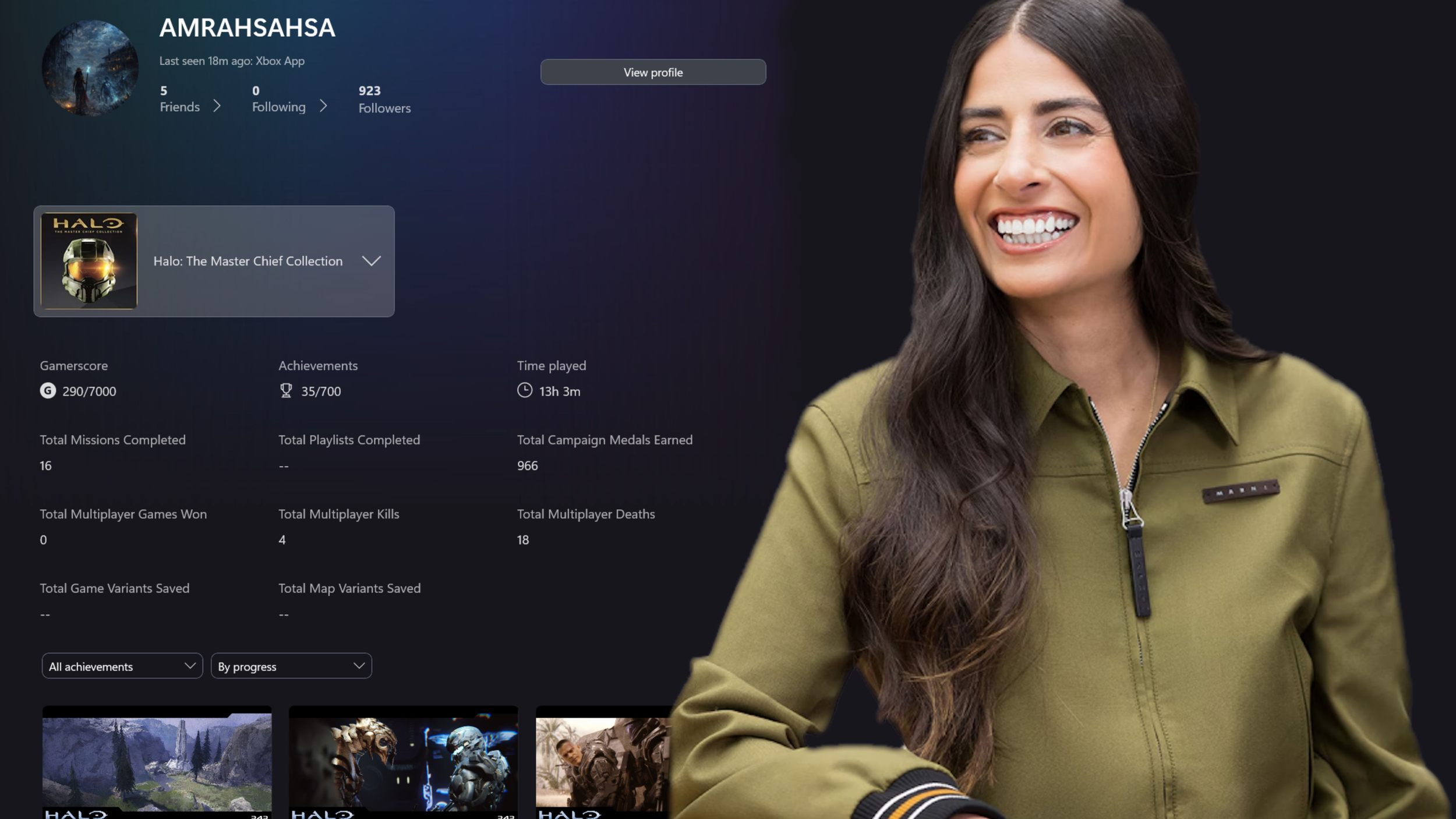
Microsoft’s Xbox leadership reset is already colliding with a familiar modern flashpoint: authenticity in the age of AI. Newly appointed Microsoft Gaming CEO Asha Sharma is being targeted by parts of the Xbox community after a wave of weekend replies on X sparked accusations that her responses read like they were produced by an AI assistant. At the same time, Sharma’s newly shared Gamertag has become its own lightning rod, with players pointing out that the profile appears to be recently created and already shows meaningful activity.
The situation is not really about whether an executive can beat a raid boss or maintain a high K D ratio. Xbox has never required its leadership to be a hardcore gamer. The concern gamers are signaling is reputational and strategic: Xbox is navigating a sensitive moment where trust, identity, and product clarity matter, and anything that looks automated, staged, or over produced becomes instant fuel for skepticism.
One of the replies gaining traction is a conversational response that some users claim feels too polished and template driven for a first weekend of organic community outreach. The post has been shared as an example of what critics describe as AI shaped engagement, even though there is no conclusive proof from the public record that a bot was used.
Separately, Sharma publicly shared her Gamertag and acknowledged she is no Phil Spencer, a nod to the former Xbox leader’s long standing reputation as a very visible and genuinely engaged player. That tweet is also being passed around as part of the broader discussion, because fans quickly focused on the account creation timing and the amount of playtime shown.
From a communications and platform strategy standpoint, this is a predictable trap. Xbox fans are already in a defensive posture after several volatile years of messaging shifts, first party pipeline questions, hardware direction debates, and constant speculation around what Xbox is supposed to be in the long run. In that environment, even well intentioned outreach can backfire if it looks like a brand activation rather than a person showing up. If Sharma’s background is strongly associated with AI initiatives, the community will naturally scan her early public interactions for signs that the new era is more automation and less human.
The practical play for Microsoft Gaming here is simple and very doable. If the goal is to win hearts, the fastest path is consistency and specificity. Real community engagement usually looks imperfect, time constrained, and personal. It also gets grounded quickly in tangible decisions: hardware direction, studio leadership stability, release execution, and a clear value proposition for console, PC, and cloud that does not feel like it changes every quarter.
In gamer terms, this is a reputation tutorial level that can still be cleared cleanly. But the longer the conversation stays focused on whether posts are written by a bot or whether a Gamertag was spun up recently, the more oxygen gets pulled away from what matters: shipping great games, keeping studios healthy, and restoring confidence in the Xbox roadmap.
If you were in Sharma’s position, would you go fully hands on and post messy human takes, or keep comms tightly controlled to avoid missteps while the team stabilizes?
