
Microsoft Bing Wallpaper Turns Windows Desktop Into Full Screen Ad Space
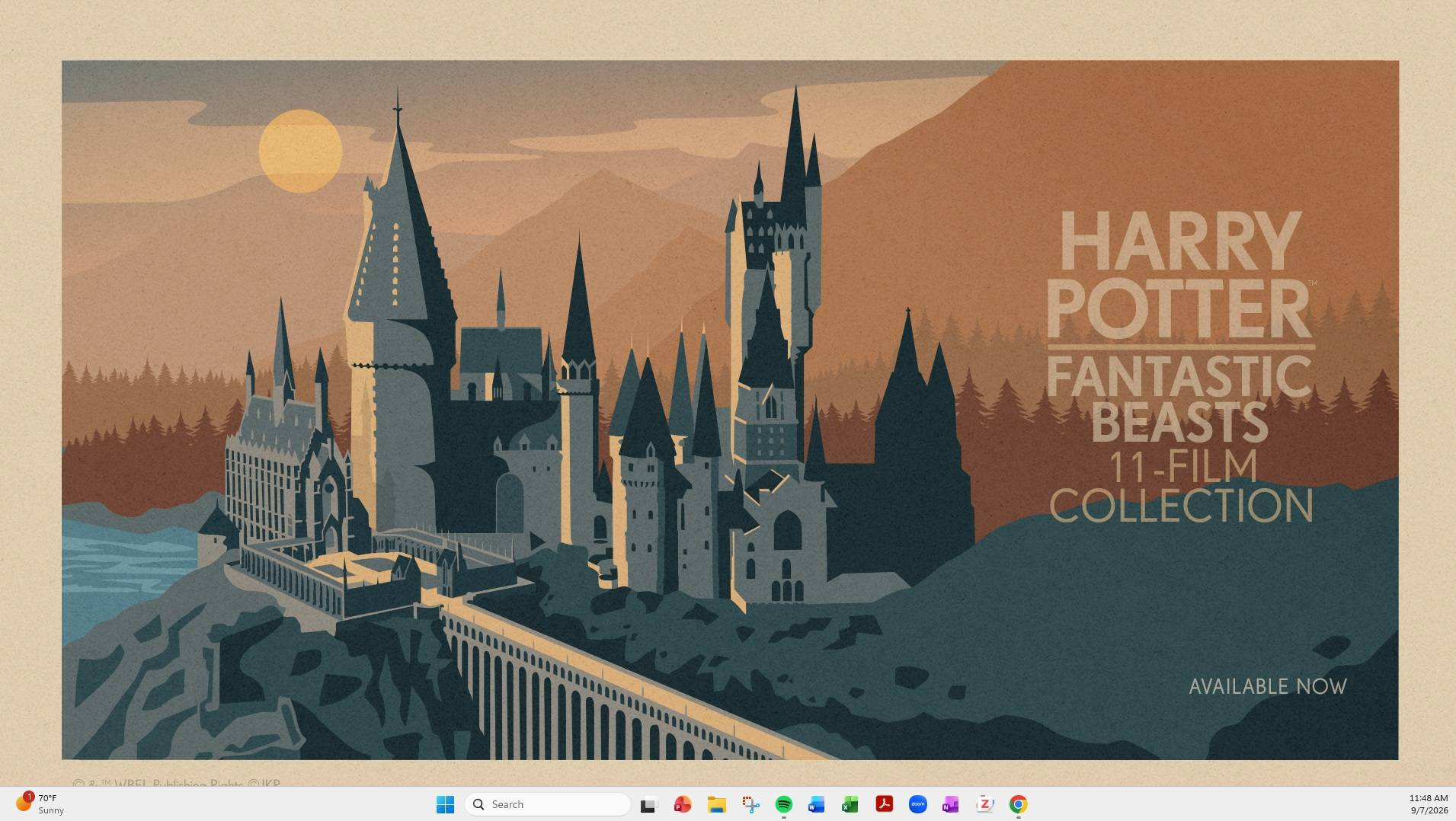
Microsoft is facing fresh criticism after users of its Bing Wallpaper application discovered that their usual rotating landscapes and photography had been replaced by a full desktop promotion for the Harry Potter and Fantastic Beasts 11 film collection. The advertisement appeared as the actual Windows desktop background rather than a conventional notification, banner, or popup, effectively turning the entire wallpaper into promotional space. The behavior has been reported on both Windows 10 and Windows 11 systems using Bing Wallpaper, although it does not appear to be reaching every user.
One user raised the issue directly through Microsoft Learn, asking why a service normally used for landscapes and nature photography had suddenly displayed an advertisement for a movie collection. Another Reddit user reported encountering the same promotional background after previously receiving the usual daily rotation of animals, architecture, and scenery. The Reddit user later clarified that Bing Wallpaper, rather than Windows itself, had permission to control the desktop background.
Microsoft does disclose promotional activity on the official Bing Wallpaper download page. The company states that users installing the application may receive promotional offers through app notifications. However, the current wording does not explicitly explain that promotional material could replace the entire desktop wallpaper. Microsoft primarily markets Bing Wallpaper as a way to bring a new image to the desktop every day using photography previously featured on the Bing homepage.
The promotion also appears to vary between systems and regions rather than being universally distributed. Reports indicate that some PCs running Bing Wallpaper received the Harry Potter promotion while others continued showing ordinary photography. This behavior is consistent with Bing Wallpaper dynamically selecting and rotating content instead of downloading a fixed wallpaper collection.
The timing is particularly awkward because Microsoft has recently been attempting to reduce some of the more intrusive promotional experiences inside Windows 11. The company recently introduced a permanent way to reject repeated OneDrive backup recommendations, something we covered when Windows 11 finally added a permanent OneDrive backup opt out. Microsoft has also been emphasizing performance, memory efficiency, and reduced distractions as part of its broader Windows quality initiative.
There is currently no indication that Windows Spotlight, the wallpaper rotation feature built directly into Windows 11, is displaying the same promotion. Current reports specifically identify the separately installed Bing Wallpaper application. Users who do not want promotional images appearing through the service can therefore switch back to Windows Personalization options such as Picture, Slideshow, or Windows Spotlight, or remove Bing Wallpaper entirely.
Advertising inside free applications is nothing unusual, but turning the desktop background itself into the advertisement crosses a very different usability boundary. A wallpaper occupies one of the most personal and continuously visible areas of a PC, and users installing an application marketed around daily photography are unlikely to interpret "promotional offers" as permission to replace that entire space with a commercial campaign.
The bigger issue is transparency rather than the existence of advertising itself. Microsoft has recently taken several steps toward giving Windows users more control over recommendations and promotional prompts. Allowing Bing Wallpaper to quietly turn the desktop into advertising space risks undermining that progress. If promotional backgrounds are going to remain part of the service, users should at minimum receive a clear setting that allows them to disable commercial wallpaper content without giving up Bing's daily photography.
Would you continue using Bing Wallpaper if Microsoft occasionally replaced your desktop background with an advertisement, or is this enough to make you uninstall it?
