
Michael Pachter Says a 1,000$ PlayStation 6 Could Push Gaming Toward a Smaller, Streaming Led Future
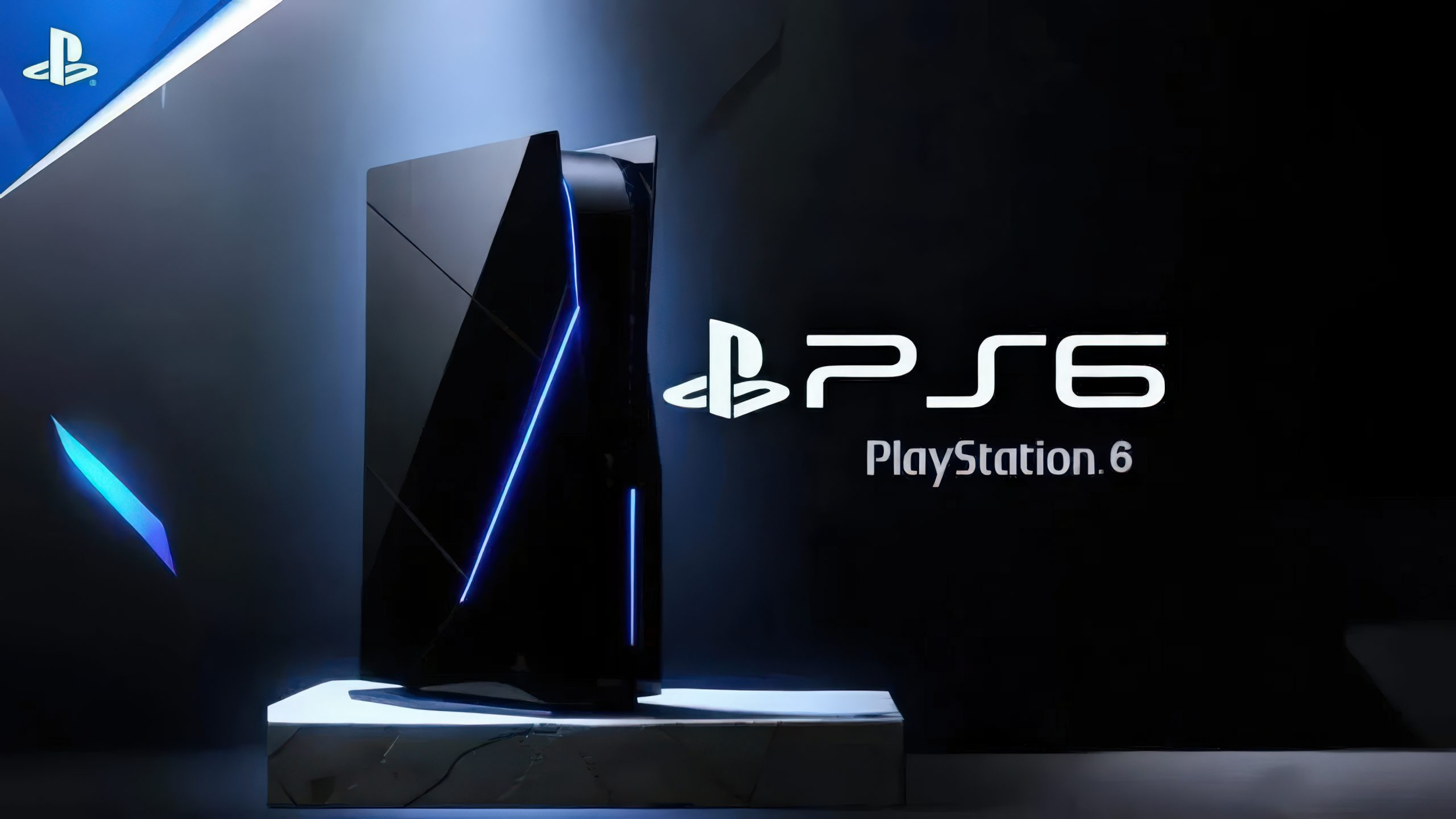
Wedbush analyst Michael Pachter is once again making a bold call on where the games business is heading, this time arguing that the PlayStation 6 could reach around 1,000$ if component pricing continues to climb. In a recent YouTube discussion, Pachter suggested that rising demand for memory and storage, particularly as artificial intelligence continues to absorb more of the semiconductor supply chain, could make traditional console pricing far harder to sustain. His broader thesis is that the industry may be heading toward a smaller console cycle, with game streaming becoming the eventual pressure valve if hardware gets too expensive for the mass market.
That argument lands at a moment when console pricing already looks far less consumer friendly than it did just a few years ago. Sony officially announced new PS5, PS5 Digital Edition, and PS5 Pro price increases on March 27, 2026, with the updated prices taking effect on April 2, 2026. In the United States, that moves the standard PS5 to 649.99$, the Digital Edition to 599.99$, and the PS5 Pro to 899.99$. That matters because Pachter’s prediction is not being made in a vacuum. It is arriving after Sony has already demonstrated a willingness to move console pricing materially upward in response to market conditions.
His core point is simple enough. If RAM, SSDs, and other critical console components keep getting more expensive because other sectors are willing to pay more, then next generation hardware economics change. Microsoft’s 2025 annual report also showed that Xbox hardware revenue declined while content and services revenue rose, reinforcing the idea that platform holders are already getting pushed toward software, subscriptions, and ecosystem monetization rather than relying on hardware momentum alone. From that perspective, Pachter’s streaming angle is less a science fiction scenario and more a business response to rising silicon costs and weakening console volume.
There is a strategic logic to that view, especially as cloud delivery keeps improving. Microsoft has continued expanding cloud related gaming initiatives, and its own public disclosures highlighted rising cloud gaming engagement and broader cross device ambitions. Xbox also said in February 2024 that Game Pass had reached 34 million subscribers, but Microsoft has not publicly updated that total to anything close to the 100 million level Pachter once floated after the Activision Blizzard deal. That gap is important because it shows the opportunity for streaming is real, but mass adoption is still moving far more slowly than the most aggressive forecasts suggested.
That is also why Pachter remains such a divisive figure among gamers and industry watchers. He is willing to make aggressive long range calls, but many of them have not aged especially well. In 2022, reports circulated his view that Game Pass could rise to 100 million subscribers once the Activision Blizzard transaction was completed. More recently, he also argued that Microsoft may have already undermined its next Xbox strategy by leaning too hard into Game Pass. And years earlier, he predicted that Grand Theft Auto VI could take players all over the world, which does not align with Rockstar’s current Leonida centered direction. Those examples do not automatically invalidate his PlayStation 6 warning, but they do mean his latest forecast should be read as a provocative industry thesis rather than a reliable roadmap.
The stronger takeaway is not whether the PlayStation 6 will literally cost 1,000$, because there is still no official PlayStation 6 announcement, no launch date, and no confirmed bill of materials. The real issue is that the console market is clearly under more pricing pressure than it was in the 500$ launch era. If high end memory, storage, and advanced silicon continue rising in cost, then next generation machines may either become more expensive luxury products or push platform holders harder toward hybrid models built around streaming, subscriptions, and broader device access. That does not mean consoles disappear tomorrow, but it does mean the next cycle could look noticeably more fragmented than the one players are used to.
For now, Pachter’s prediction works best as a warning signal. The premium console business is moving into a tougher operating environment, and if the PlayStation 6 launches into that landscape with significantly higher component costs, Sony may have to decide whether it wants to protect margins, protect adoption, or build a more aggressive bridge toward streaming. Any one of those choices would reshape the market.
What do you think, would you buy a PlayStation 6 at 1,000$, or do you see game streaming as the only realistic path if console prices keep climbing?
