
The Blood of the Dawnwalker Dev Is Comfortable With The Witcher Comparisons and Says Rebel Wolves Has “a Really Cool Game”
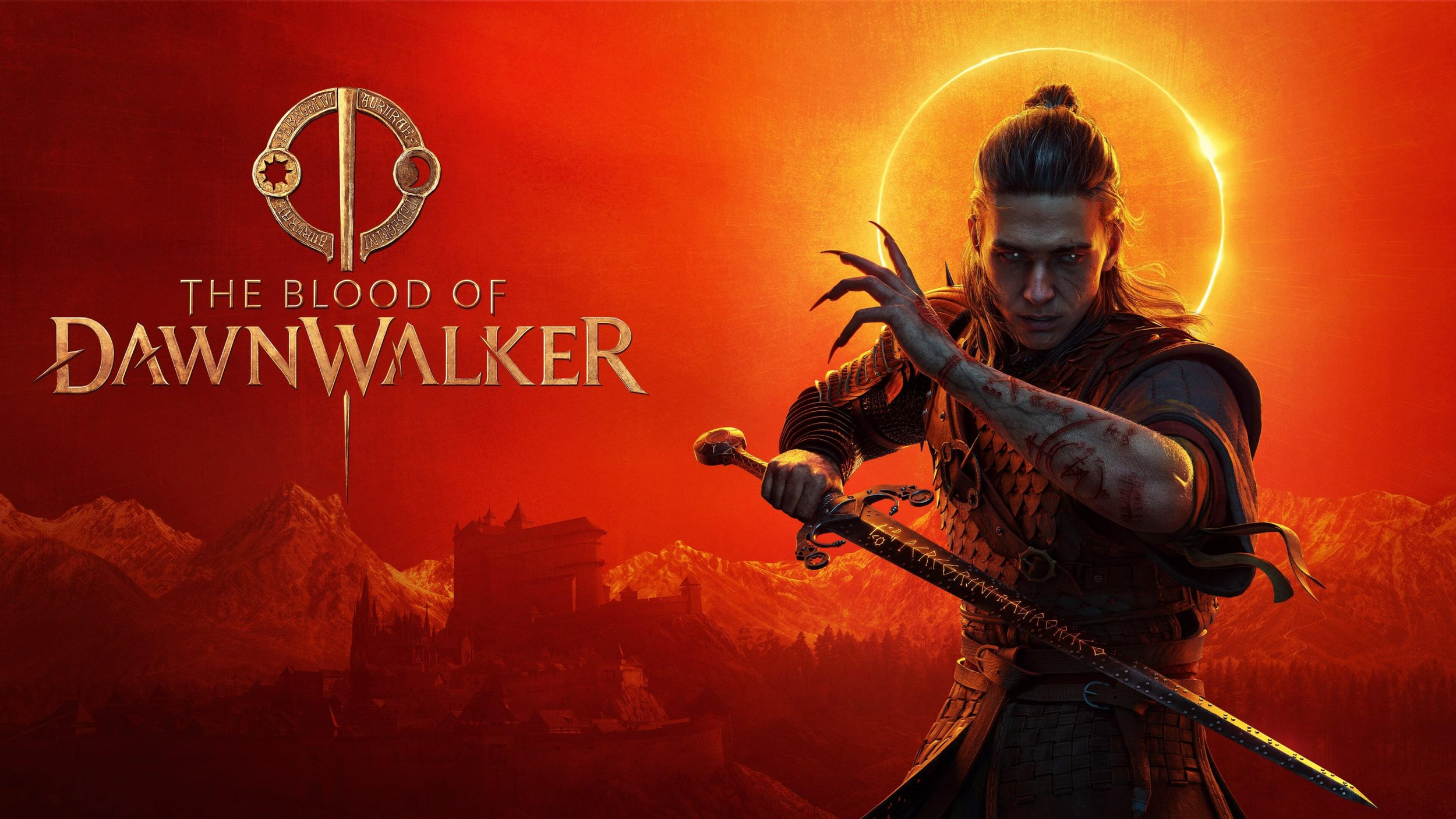
Rebel Wolves is clearly not trying to run away from comparisons to The Witcher. In a new interview on The Game Business Show, CEO, Game Director, and Co Founder Konrad Tomaszkiewicz said he feels very confident about The Blood of the Dawnwalker, and that confidence appears to be backed by both internal progress and external testing. The studio’s debut dark fantasy RPG is officially slated for a 2026 release, with Rebel Wolves and its publishing partners already positioning it as a major single player open world project for PC, PlayStation 5, and Xbox Series X|S.
What stands out most from Tomaszkiewicz’s latest comments is how direct he was about the Witcher conversation. Given his history as Senior Designer on The Witcher and The Witcher 2, followed by his role as Game Director on The Witcher 3: Wild Hunt, the overlap in tone and expectations was always going to follow him into Rebel Wolves’ first game. Instead of resisting that narrative, he appears to be embracing it. According to the interview coverage, Tomaszkiewicz said he is “really comfortable” with those comparisons, pointing to strong feedback from focus tests and a smooth development process as reasons for that confidence.
That confidence also seems tied to the game’s production state. Tomaszkiewicz said the team is already beyond friends and family testing and has also gone through professional focus tests with very positive results. Just as importantly, he shared that the console versions are already stable and progressing well, adding that he personally finished the entire game on PlayStation 5. For players watching the current RPG market, that detail matters. Performance and optimization remain major concerns for large scale action RPG launches, so hearing that console stability has been a priority from the start is one of the more significant takeaways from the interview.
According to Tomaszkiewicz, Rebel Wolves approached this carefully from the beginning by building with outside optimization support already in place. He described a development structure where technical issues on assets and gameplay code were being flagged early rather than pushed to the end of production. That may sound like a behind the scenes detail, but it speaks to a broader production philosophy. In a market where many ambitious RPGs reveal their weaknesses only when they hit consoles late in development, Rebel Wolves seems to be presenting The Blood of the Dawnwalker as a project built with technical scalability in mind from day one.
At the same time, Tomaszkiewicz made it clear that The Blood of the Dawnwalker is not meant to be a safe repetition of his previous work. Rebel Wolves has repeatedly framed the game as a narrative sandbox, and in this latest discussion he explained that the team wanted to create a story driven open world RPG with twists that borrow ideas more commonly associated with indie design. That is a meaningful creative statement. It suggests the studio is aiming for a hybrid structure, one that keeps the production values and scale of a triple A release while experimenting with less conventional design choices to create more emotion, more immersion, and more player freedom.
That design ambition is where the interview becomes especially interesting. Tomaszkiewicz described the project as risky because it tries to blend big budget RPG expectations with ideas that are not normally prioritized in mainstream open world design. He framed that as a necessary step rather than a gamble for its own sake. From his point of view, starting a new studio only to make the same kind of game again would have felt creatively stagnant. That is a strong strategic position, and it fits with the way newer high profile RPGs are finding attention by leaning into a clearer identity instead of copying the dominant formula of the genre.
He specifically pointed to titles such as Clair Obscur: Expedition 33 and Crimson Desert as examples of games that feel distinct rather than derivative. That comparison is important because it places The Blood of the Dawnwalker inside a broader movement within premium RPG development. Studios are increasingly being rewarded for sharper creative direction, stronger atmosphere, and more recognizable gameplay personality. In other words, the market is no longer only asking whether an RPG is large. It is asking whether it feels different. Rebel Wolves appears to believe its game can answer that question in a meaningful way.
There is also a practical reason why the Witcher comparisons may continue to work in Rebel Wolves’ favor. Several former CD Projekt RED developers are part of the studio, and the dark fantasy framing of The Blood of the Dawnwalker naturally overlaps with the audience that helped make The Witcher 3 one of the defining RPGs of its era. That does not mean the new game will simply follow the same blueprint. In fact, the studio’s messaging suggests the opposite. But from a market positioning standpoint, those comparisons can be an asset as long as Rebel Wolves continues to show that its first project has its own voice.
One additional point surrounding the game is its reported use of generative AI during development. The distinction here is that Rebel Wolves has indicated placeholder AI generated dialogue was used during production workflows, but that this material is intended to be removed so that no AI generated content appears in the final shipped release. In the current climate, where players are increasingly sensitive to how studios use AI tools, that clarification matters and may help avoid the kind of backlash that can quickly cloud excitement around a new release.
Right now, The Blood of the Dawnwalker is shaping into one of the more closely watched RPGs on the 2026 calendar. The studio is led by a proven RPG director, the game has already built early momentum through its dark fantasy setting and narrative sandbox identity, and the latest interview suggests internal confidence is running high. That does not guarantee success, of course, but it does place Rebel Wolves in an interesting position. If the team can deliver on its promise of a familiar but meaningfully different role playing experience, The Blood of the Dawnwalker may end up standing beside the games it is being compared to rather than living under their shadow.
Do you think The Blood of the Dawnwalker can step out from The Witcher comparisons and become one of 2026’s defining RPGs on its own merits?
