
PlayStation 5 Sales Hit 2026 High in the US Ahead of Sony’s April Price Increase
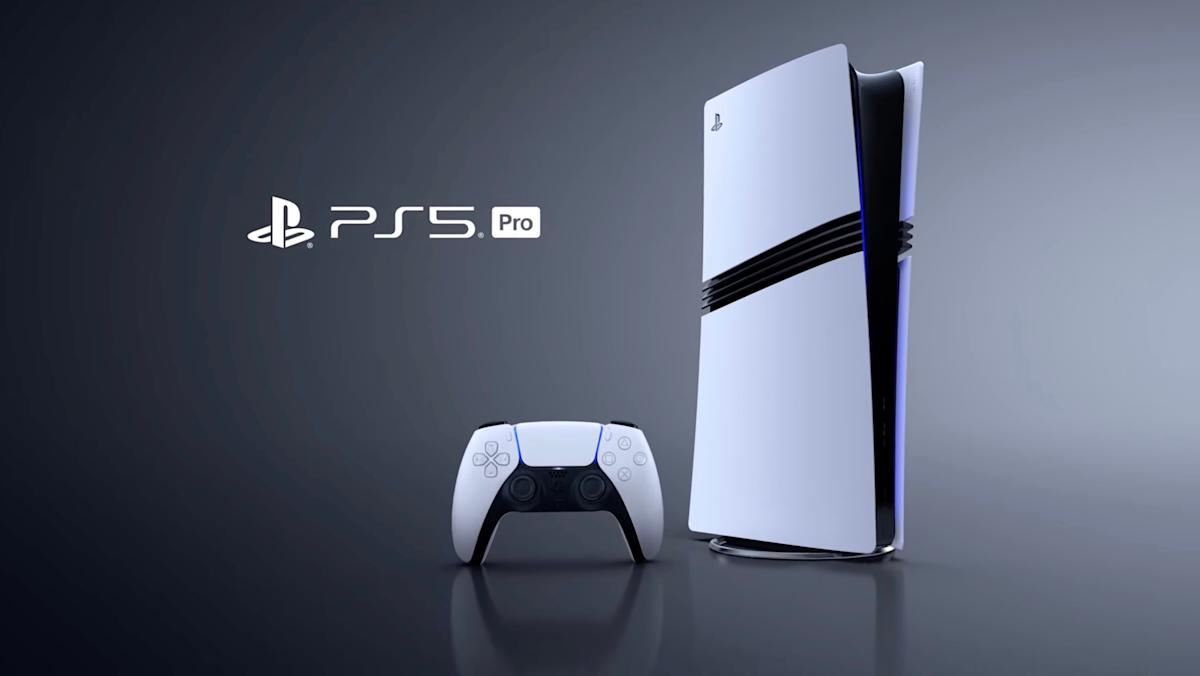
PlayStation 5 hardware saw its strongest weekly performance of 2026 in the United States just as Sony’s latest price increase approached, showing that consumers were willing to move quickly before the higher pricing took effect. According to Circana analyst Mat Piscatella in a post on Bluesky, US weekly unit and dollar sales of PlayStation 5 hardware reached their 2026 high during the week ending April 4, while overall US spending on video game hardware for that same week nearly doubled compared with the equivalent week a year earlier.
The timing is important. Sony officially announced on March 27 that new recommended retail prices for PlayStation 5 consoles in the United States would take effect starting April 2. Under that update, the standard PlayStation 5 moved to 649.99 dollars, the PlayStation 5 Digital Edition rose to 599.99 dollars, and the PlayStation 5 Pro increased to 899.99 dollars. Sony said the decision was driven by continued pressures in the global economic landscape.
That gives the recent sales spike a very clear market context. Buyers were not simply responding to a seasonal promotion or a major exclusive launch. They were reacting to a looming price increase that materially changed the value equation of entering the PlayStation ecosystem. Circana’s tracking, as relayed by Piscatella and reported by VGC, points to a classic pre increase buying wave, where consumers accelerated purchases in order to lock in the old pricing before the new retail figures became standard.
From an industry perspective, this is one of the clearest examples yet of how price sensitivity is reshaping the console market during this generation. Traditionally, consoles become more affordable as their lifecycle progresses. Instead, the current market has moved in the opposite direction, with Sony raising prices well into the PlayStation 5 era. VGC noted that the cheapest PS5 Digital Edition is now 200 dollars higher than it was at launch, a shift that underscores how dramatically the economics of console gaming have changed in recent years.
The bigger question now is what happens next. A pre increase spike can create a short term revenue surge, but it can also pull forward demand that might otherwise have been spread across the following weeks or months. That means April’s strong start may be followed by softer sell through once the new pricing fully settles in. For Sony, the strategic issue is whether the higher price point can be sustained without significantly slowing momentum for the rest of 2026, especially as players continue comparing console value against increasingly expensive PC hardware and a broader market under inflationary pressure.
There is also an interesting product mix question still left unanswered. Piscatella’s comment referred to PlayStation 5 hardware broadly, but it did not break out how much of the surge came from the standard disc model, the Digital Edition, or the PlayStation 5 Pro. That distinction matters because the Pro now sits at a much more premium tier, and its performance could reveal whether enthusiast buyers still see enough upside in Sony’s higher end machine even after the jump to 899.99 dollars. Based on the data currently visible, the strongest confirmed takeaway is simply that PlayStation hardware demand surged before the increase, not which specific version drove the most momentum.
For now, the pre price increase rush gives Sony a headline win, but it also highlights the pressure facing the wider console business. If consumers increasingly buy only in narrow windows before hikes, promotions, or major software releases, long term hardware growth becomes harder to maintain. The PlayStation 5 remains a powerful platform, but this latest jump in demand may say as much about consumer anxiety as it does about brand strength.
Do you think Sony can maintain strong PlayStation 5 momentum after the new pricing, or will this pre increase rush be followed by a sharper slowdown?
