
Linux Graphics Developers Submit Patches to Reduce VM Fault Spam on AMD GCN GPUs Ahead of Linux Kernel 6.19
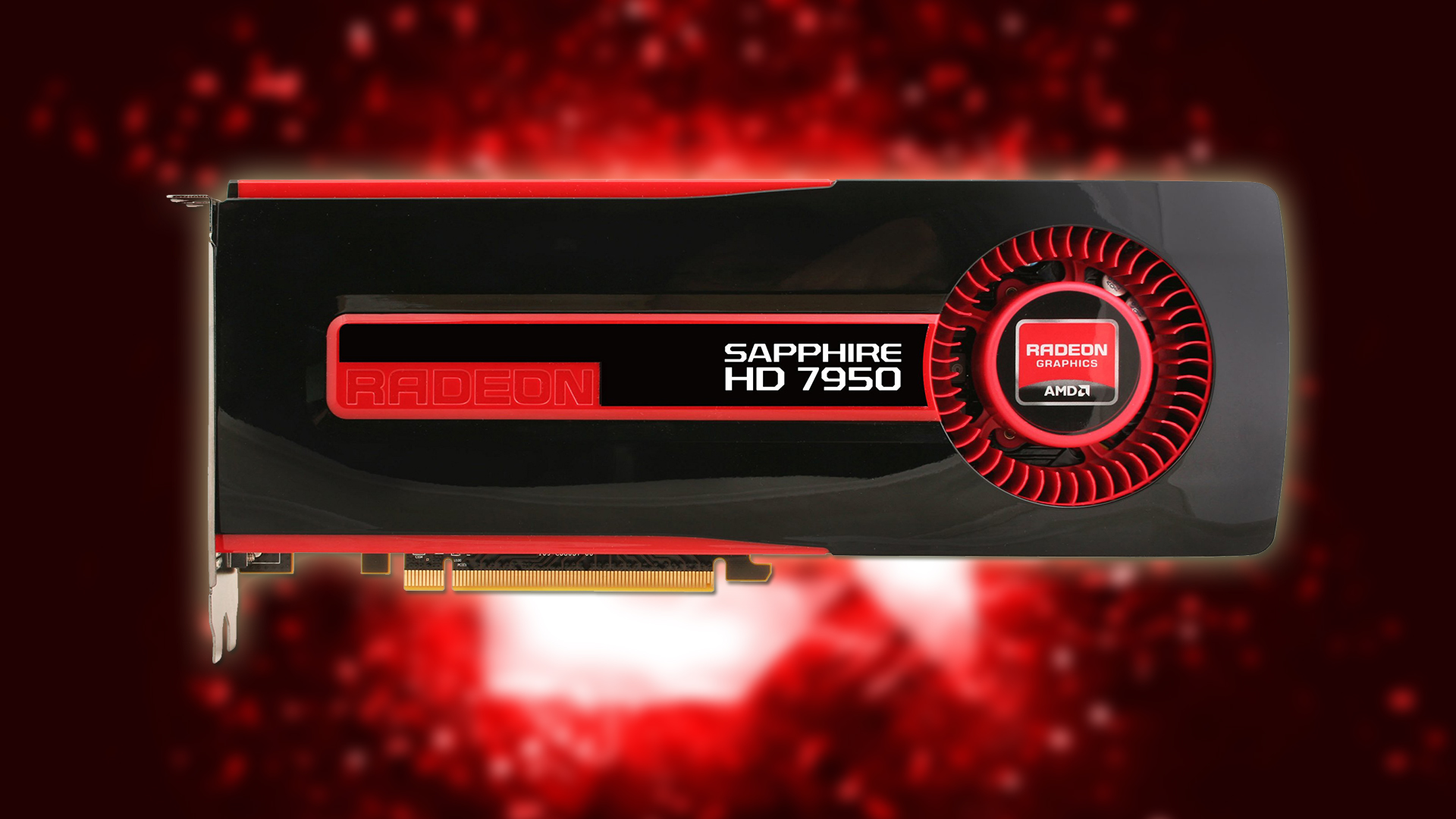
Linux kernel 6.19 is getting closer, and the story around older AMD GCN era GPUs is quietly improving in a way that matters for real world playability, not just benchmark charts. Beyond the earlier gains many users saw by moving legacy cards from the Radeon driver to AMDGPU, Linux graphics developers are continuing to sand down long standing pain points that have made Vulkan on older hardware feel unstable or noisy in day to day use.
Valve Linux graphics contributor Timur Kristóf has submitted a new patch set aimed at mitigating VM fault spam on AMD GCN GPUs, covering both GFX6 which maps to GCN 1.0 and GFX7 which maps to GCN 1.1. That includes popular legacy families such as Radeon HD 7000 and Radeon R9 290 series cards, which still have a meaningful presence in budget builds, secondary PCs, and Steam Deck adjacent tinkering setups where Linux is the default playground.
The core issue being targeted is not raw performance. It is the constant flood of GPU virtual memory fault messages that can appear during Vulkan workloads on these architectures. In plain terms, VM faults can occur when the GPU attempts to read or write memory regions the driver considers invalid. On affected GCN generations, these events have been treated as high priority faults, which can lead to massive log spam that sometimes reaches thousands of entries per second during normal Vulkan operation. Even when the game appears to keep running, that kind of behavior can contribute to instability symptoms, noise in diagnostics, and a generally degraded user experience that makes troubleshooting harder than it needs to be.
The submitted patches focus on filtering non critical faults so the kernel does not keep flooding logs during expected Vulkan behavior. The practical impact is improved usability and perceived stability, because the system is no longer screaming constantly in the background while a game is running. This is the kind of quality of life fix that will not suddenly add frames per second, but it can absolutely improve how reliable these older GPUs feel on Linux, especially for players who like to keep a lightweight retro rig alive for esports titles, indie games, and backlog runs.
If you are gaming on older AMD GCN hardware, do you care more about maximum performance gains or about stability and cleaner Vulkan behavior that makes the system easier to live with?
