
Lies of P Studio Round8 Expands Its Art Pipeline With New AI Creator Hiring Push
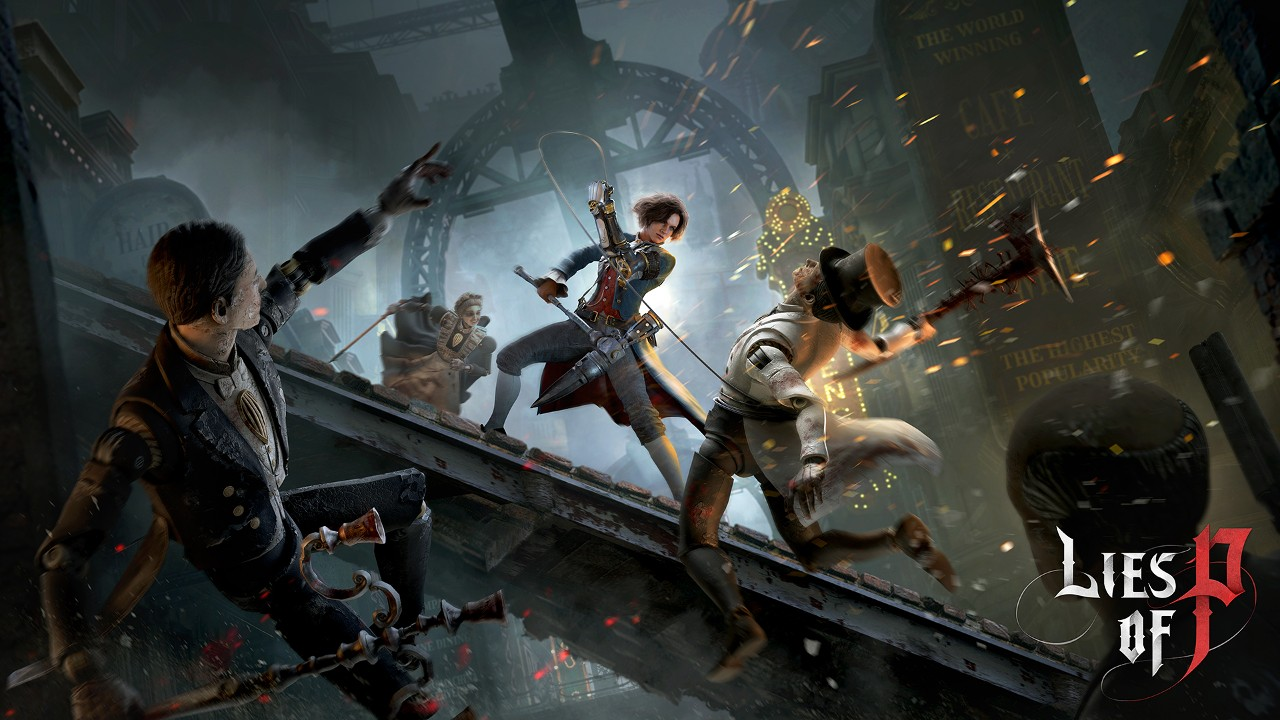
Round8 Studio, the team behind Lies of P, is signaling a new production direction through an official hiring post for an AI Creator role, pointing to a stronger internal focus on generative AI tools for game art development. According to the job listing published by NEOWIZ, the position is meant to use generative AI technology to maximize the efficiency of the art production process and innovate the visual quality of games, making it one of the clearest public signs yet that the studio is actively investing in AI assisted content workflows for future projects.
The wording of the listing is especially notable because it does not frame AI as a replacement for artists. Instead, Round8 says it wants to combine the creativity of artists with the productivity of AI to build a distinctive art pipeline for the studio. That is an important distinction in the current games industry, where AI remains one of the most debated production topics. In this case, the role is being positioned as a pipeline support function aimed at improving efficiency and raising output quality rather than sidelining the creative team.
The listed responsibilities show exactly where Round8 wants AI to fit into development. The studio is seeking someone who can generate character and background concept drafts using tools such as Stable Diffusion and Midjourney, expand variations, assist with AI based texturing, support modeling through image to 3D workflows, and help produce assets. The role also includes integrating AI tools into existing art workflows to reduce production time and build a more efficient AI art pipeline across the team.
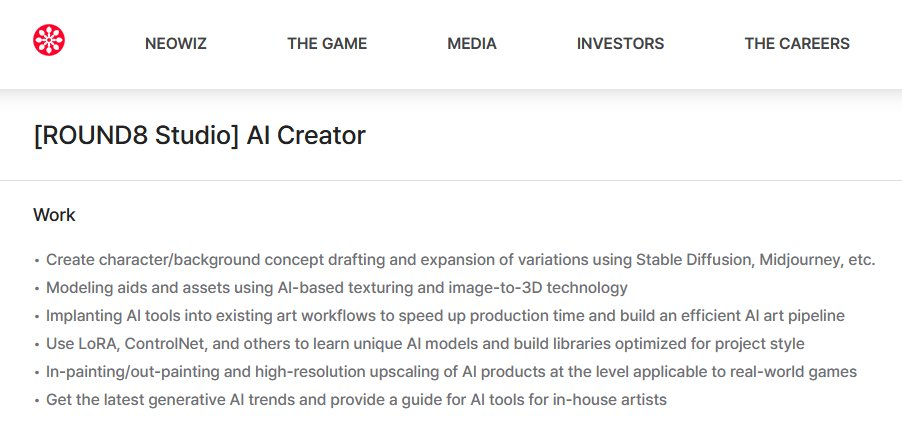
Beyond basic generation, the posting also points to a more structured long term strategy. Round8 is looking for someone who can train project specific AI models using methods such as LoRA and ControlNet, create internal libraries, and refine AI outputs through in painting, out painting, and high resolution upscaling until they are suitable for real game production. The role also includes tracking the latest generative AI trends and providing internal guidance to artists on how to use these tools effectively. That suggests this is not a side experiment, but part of a broader pipeline initiative with practical studio level application.
Another key detail is that Round8 is not only asking for AI tool experience. The studio specifically says candidates should have a strong understanding of form, color, and composition before working with AI tools, along with advanced prompt design and parameter control skills. Preferred qualifications also include traditional concept art or 3D modeling experience, direct experience applying AI resources inside Unity or Unreal, and a strong understanding of AI ethics and copyright related legal guidelines. That combination shows the studio is looking for hybrid talent with both artistic and technical credibility rather than someone operating purely as a prompt specialist.
From a development perspective, this kind of hire makes strategic sense. Modern game production is under constant pressure to deliver more detailed worlds, faster iteration, and stronger visual consistency, all while timelines remain tight. A dedicated AI creator can help accelerate concept exploration, reduce repetitive asset preparation work, and support art teams during early production phases where speed matters most. For a studio whose reputation is closely tied to atmosphere, style, and visual identity, strengthening those systems could have a direct impact on the quality and pace of its future releases. That final impact, of course, will depend on how the tools are implemented and how much of the creative process remains artist led. The listing itself suggests Round8 is aiming for a support and amplification role, not a replacement model.
In practical terms, this is one of the more concrete examples of a major game studio openly formalizing AI supported art production in a public recruitment post. Whether players welcome that move will depend on execution, transparency, and the final artistic results. But based on the official language in the hiring notice, Round8 appears to be building toward a production model where AI is used to strengthen workflow efficiency and expand creative iteration while keeping artists at the center of the pipeline.
What do you think about studios using AI tools to support artists in production pipelines as long as the final creative direction stays human led?
