
Lenovo Urges Gamers and Channel Partners to Buy PC Hardware Now, Warning Today’s Pricing May Be the Best for the Next 6 to 12 Months
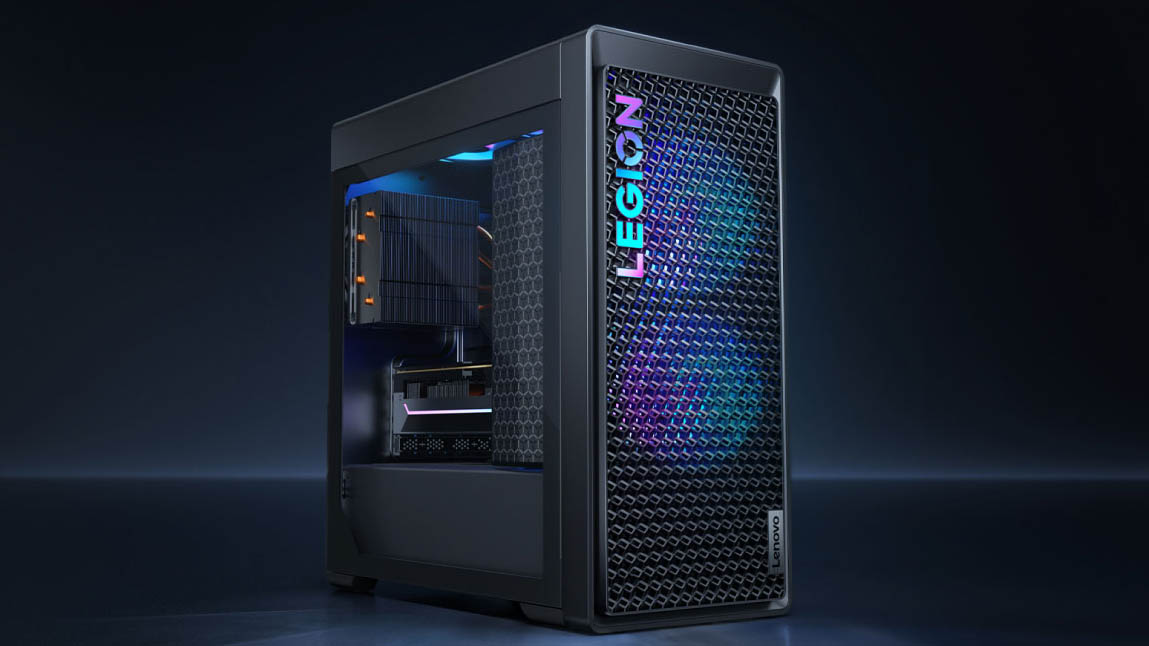
Lenovo is sending an unusually direct message to the PC market in 2026: if you are pricing sensitive and your hardware refresh is even remotely time critical, you should move sooner rather than later. In comments shared through a report by CRN, Lenovo North America President Ryan McCurdy signaled that the inventory currently sitting with distributors and partners may represent the most attractive pricing window that buyers will see for the next 6 to 12 months.
McCurdy’s warning is framed around how rapidly the economics of the PC supply chain are shifting. The core issue is not just that components are expensive, but that pricing volatility is becoming the baseline. Lenovo’s view is that when infrastructure demand is high and the buyer is sensitive to price, the correct operational move is to act quickly while existing channel stock still reflects older cost structures. Once that stock is depleted, replenishment is likely to land at a higher cost basis, and the market will normalize around the new, more expensive reality.
The CRN report also includes perspective from an anonymous United States system integrator who claims hardware availability is tightening at a pace they have not seen before. That comment is important because it reframes the pain point from pricing alone to a more disruptive risk: availability. In other words, the market may be heading into a phase where the bigger problem is not whether you can afford the upgrade you want, but whether you can secure the exact parts and configurations you need on your desired schedule.
For gamers, creators, and everyday PC builders, Lenovo’s message reads like a macro level signal that the traditional upgrade cycle is being reshaped by structural demand from AI infrastructure and enterprise compute. Even if a consumer is not buying server gear, the demand shock ripples across CPUs, GPUs, DRAM, NAND, and broader manufacturing capacity, forcing the channel to allocate inventory and reprice products more aggressively. Lenovo’s advice effectively positions the present moment as a tactical buying window, not because the market is healthy, but because the channel is still selling through inventory that was procured under earlier pricing conditions.
There is also a strategic element here that matters for planning. Lenovo is not suggesting every buyer panic purchase. The signal is more nuanced: if your purchase is critical within the next 3, 6, or 12 months and pricing sensitivity is high, the best odds of landing a reasonable deal are tied to acting before the channel resets around higher replacement cost. That is a very different market posture than the one gamers have been used to, where waiting often meant discounts and better value. In 2026, Lenovo is effectively arguing the opposite: waiting can be the expensive choice.
Ultimately, this is a decision about risk management. Buying now can reduce exposure to near term price escalation and potential shortages, but it can also mean buying into a market that still feels inflated. Waiting might preserve budget today, but it increases the probability of paying more later or being forced into compromises on availability, model selection, or timing. Lenovo’s comments suggest the company believes the balance of risk has shifted toward buying sooner.
Are you planning to upgrade your PC in 2026, and if so, would Lenovo’s warning make you buy now, or would you still wait for the chance of a better deal?
