
Lenovo and Other PC Manufacturers Brace for a Difficult Year as Memory Shortages Worsen Across the Industry
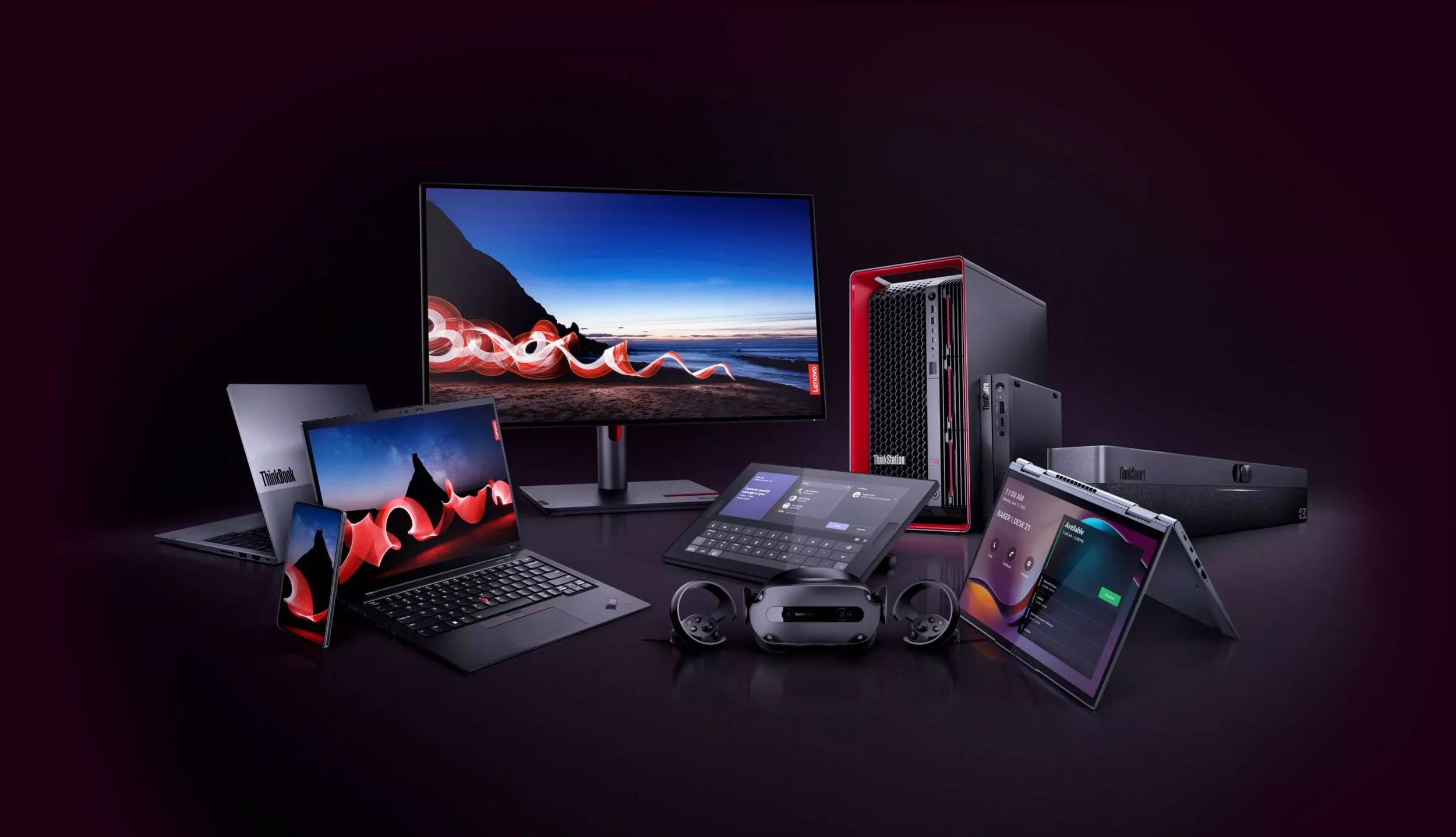
The global PC market is heading into one of its most challenging periods in years as AI driven demand pushes the memory ecosystem beyond its limits. According to Bloomberg’s report on statements from Lenovo CFO Winston Cheng, manufacturers are facing severe shortages across HBM, DDR, LPDDR and GDDR memory, all of which are critical for both consumer devices and AI infrastructure.
Lenovo, the world’s largest PC maker, has already taken defensive measures by stockpiling memory inventory at levels 50 percent higher than normal. This strategic buffer is designed to prevent sudden cost spikes from immediately reaching retailers and consumers, giving the company time to navigate tightening supply conditions.
“The frenzy to build and fill AI data centers with advanced hardware is raising prices for producers of consumer electronics,” Cheng noted. Lenovo aims to use its large inventory to maintain pricing stability in the short term while also positioning itself advantageously as competitors struggle to secure components.
Despite this proactive approach, Lenovo warns that 2026 may still require significant adjustments as the memory supercycle intensifies. The ongoing shortage is expected to affect a wide range of consumer products, including laptops and pre built PCs, with price increases likely to continue across the market.
Consumer segments are already experiencing steep price hikes. DDR5 RAM has surged multiple times in recent months, and analysts anticipate that AMD and NVIDIA may raise GPU prices in response to constraints on HBM and GDDR. These combined pressures indicate that all areas of consumer computing may see noticeable cost increases.
AI data centers remain the primary driver behind this supply strain. Their demand for advanced memory, particularly HBM, is escalating faster than suppliers such as TSMC, Samsung and SK hynix can expand production. Industry forecasts suggest that shortages may continue well into 2027, creating a prolonged period of elevated prices and supply instability.
Manufacturers, component vendors and consumers now face a challenging road ahead. The industry’s ability to adapt will depend on how quickly it can balance accelerating AI demand with limited memory production capacity.
Do you expect PC and GPU prices to rise further next year, or will manufacturers find ways to stabilize the situation? Share your thoughts below.
