
Kingdom Come: Deliverance II Director Says DLSS 5 Finally Renders Characters as Intended
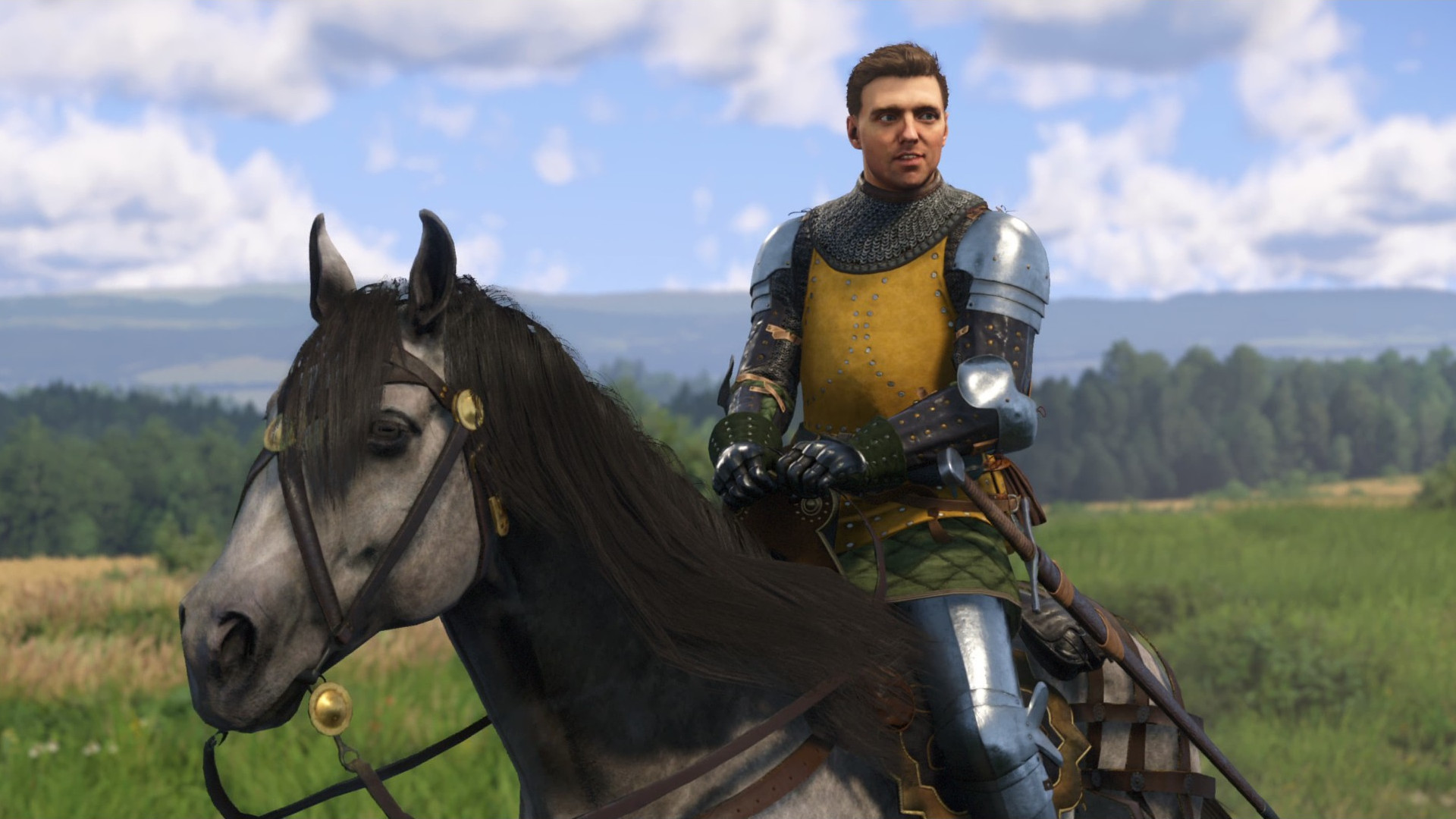
NVIDIA DLSS 5 continues producing unexpected results ahead of its official launch, and this time one of the strongest endorsements is coming directly from a game creator. Daniel Vávra, cofounder of Warhorse Studios and director of Kingdom Come: Deliverance II, has tested the leaked DLSS 5 Neural Rendering runtime inside the game and says the technology fixes several lighting and shadow limitations that prevented characters from appearing as originally intended.
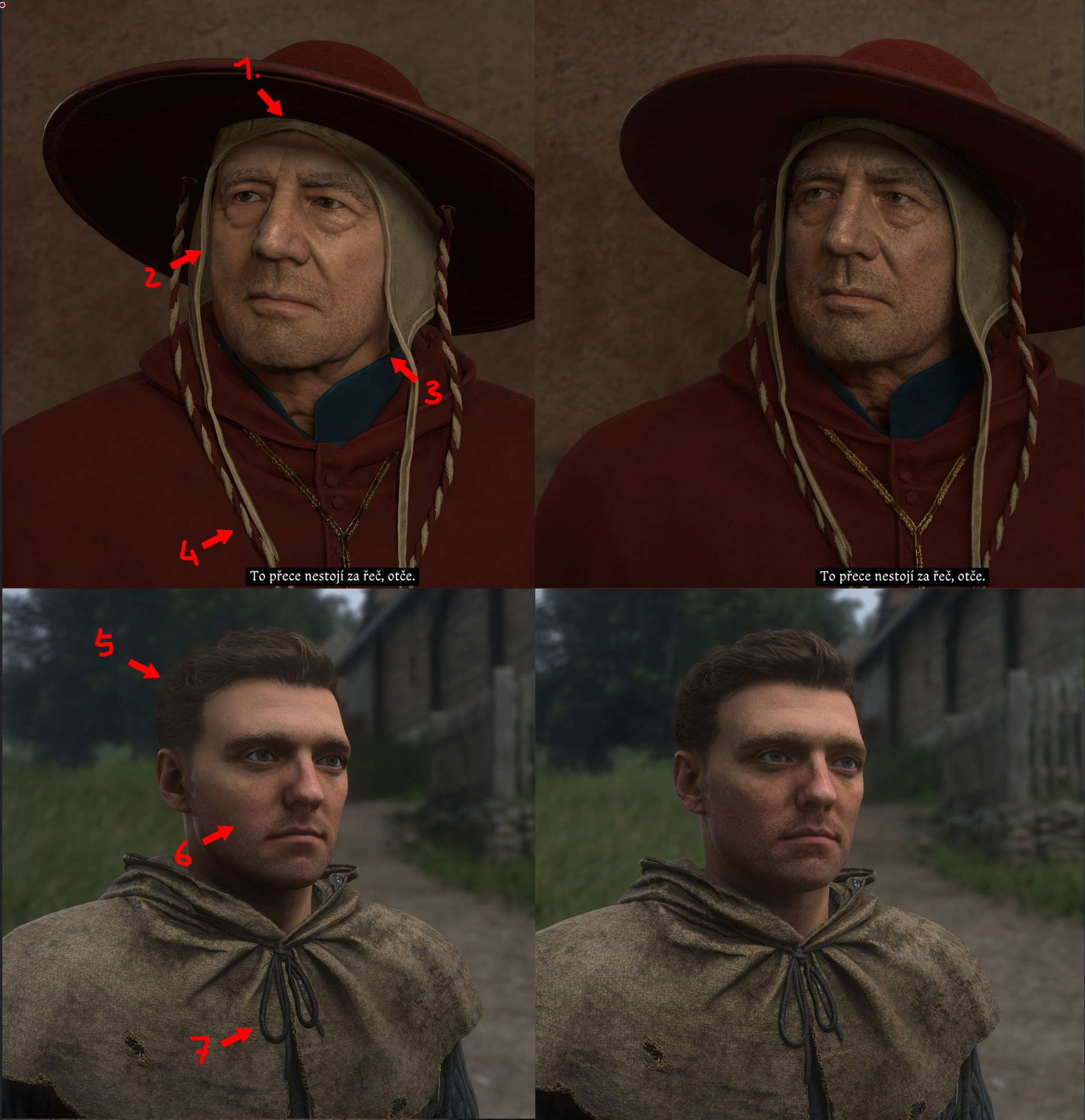
Vávra shared a series of comparisons through his official X account after experimenting with the unofficial Neural Rendering implementation. Contrary to some of the controversy surrounding NVIDIA's original DLSS 5 demonstrations, he says the version he tested does not modify character geometry or fundamentally redesign their appearance. Instead, it uses information already available from the game's existing normal maps and rendered scene to produce more detailed skin, facial definition, lighting and material response.
One of the biggest improvements involves character faces. Vávra explained that during development he sometimes criticized character models for appearing too flat or lacking detail, only for artists to show that the original models looked considerably better within their development tools. According to him, the problem was not necessarily the character asset itself, but limitations within the game's real time lighting system that prevented some of that detail from appearing correctly during gameplay.
"This is our original creative vision."
— Quote by: Daniel Vávra
After all the controversy about NVIDIA’s DLSS 5 being a terrible AI slop, I played around a bit with the leaked DLSS5 version in KCD2. First off—what was leaked isn’t even remotely what NVIDIA originally presented. It doesn’t alter the geometry of the models or the appearance of… pic.twitter.com/agrmq5heDC
— Daniel Vávra ⚔ (@DanielVavra) August 30, 2026
Vávra says the Neural Rendering result brings those in game characters considerably closer to the original ZBrush models and photogrammetry scans used during production. The underlying geometry remains the same, but improved skin response, normal map definition and lighting give faces significantly more depth and texture. NVIDIA officially describes DLSS 5 Neural Rendering as a system capable of understanding materials including translucent skin, hair and fabric while adding more realistic light interaction without abandoning the structure of the original 3D scene.
Shadows appear to be even more important for Kingdom Come: Deliverance II. Vávra says Warhorse was unable to properly render several types of small scale character shadows in the shipped game, including shadows cast by hats, helmets and hoods onto faces. Other small objects such as buckles, laces and pouches could also lack the expected localized shadowing. The unofficial DLSS 5 implementation appears capable of recreating many of those details, effectively producing a much stronger ambient occlusion effect around characters.
Hair also benefits from the additional processing. Vávra says the Neural Rendering pass provides denser and darker shadows within hair, making individual hairstyles appear more naturally integrated with surrounding lighting. This is particularly relevant for a game such as Kingdom Come: Deliverance II, where characters frequently wear layered clothing, helmets, hats and other equipment that create complicated interactions between skin, hair, fabric and shadow.
Environmental differences are more restrained. DLSS 5 can brighten some overly dark regions enough to expose underlying texture detail while darkening other areas where additional shadowing makes physical sense. Grass and other vegetation can also receive stronger localized shadows. According to Vávra, however, characters remain the area where Neural Rendering currently delivers the most significant visual improvement.
The demonstration adds an interesting perspective to the debate surrounding artistic intent. NVIDIA says DLSS 5 is designed to remain anchored to developer created content while giving artists controls for intensity, color grading and masking. Those controls are intended to determine exactly where Neural Rendering is applied and how aggressively it affects the finished image.
Vávra's test provides a practical example of how that concept could work. Instead of replacing Warhorse's original artwork, he argues that Neural Rendering is recovering details that the studio wanted players to see but could not reproduce accurately within the original lighting pipeline. In this specific case, the technology is arguably moving the final game closer to its intended appearance rather than further away from it.
That does not mean every unofficial DLSS 5 experiment has produced the same results. The leaked DLSS 5 Neural Rendering runtime has already been forced into numerous PC games, including Control, Cyberpunk 2077, The Witcher 3, Stellar Blade and GTA V Enhanced. Some configurations can substantially alter facial lighting and material appearance, particularly when Neural Rendering is applied globally without the developer controlled masking and tuning NVIDIA intends for official implementations.
The debate also follows earlier concerns that DLSS 5 was creating geometric abnormalities in NVIDIA's demonstrations. Subsequent analysis suggested that several of the most widely circulated examples were actually already present in the underlying game footage rather than being generated by Neural Rendering itself. Vávra is now making a similar distinction, arguing that some visual shortcomings blamed on the finished character assets are actually consequences of traditional real time lighting limitations.
There remains one major limitation. Kingdom Come: Deliverance II is not currently among NVIDIA's officially announced DLSS 5 games. Vávra is experimenting with the leaked runtime discovered inside NBA 2K27 and subsequently adapted by the modding community, meaning the results do not represent an optimized Warhorse integration. NVIDIA currently lists games including Assassin's Creed Shadows, Resident Evil Requiem, Starfield, Hogwarts Legacy and The Elder Scrolls IV: Oblivion Remastered among its confirmed launch lineup, with DLSS 5 scheduled to arrive during fall 2026.
Performance also remains an important unanswered question. Current unofficial DLSS 5 implementations can impose significant GPU costs because they are running through experimental community integrations rather than optimized game implementations. Until NVIDIA releases the final technology and developers begin shipping properly integrated versions, image quality comparisons such as Kingdom Come: Deliverance II provide a much clearer demonstration of Neural Rendering's visual potential than they do of its eventual performance.
Kingdom Come: Deliverance II might be one of the most convincing DLSS 5 demonstrations so far because the person evaluating the result helped define how the game was supposed to look.
The artistic intent argument surrounding AI graphics becomes considerably more complicated when a game's own director says Neural Rendering is recovering details that his team originally wanted but could not reproduce through the shipped lighting system. In this case, the AI is not being praised for inventing a new face. It is being praised for making the existing face, normal maps, hair and equipment interact with lighting more convincingly.
That does not automatically validate every DLSS 5 implementation. Developer control remains critical, particularly because the leaked runtime has already shown how dramatically Neural Rendering can alter some scenes when used without careful masking. But Kingdom Come: Deliverance II demonstrates one of the technology's most interesting possibilities: improving older or existing games by overcoming rendering limitations without rebuilding their underlying assets.
Does Daniel Vávra's Kingdom Come: Deliverance II comparison change your opinion of DLSS 5, or are you still concerned about AI becoming too involved in how games are rendered?
