
Jensen Huang Says AI’s Biggest Opportunity Is Still Ahead as NVIDIA Frames the Industry as a Five Layer Stack
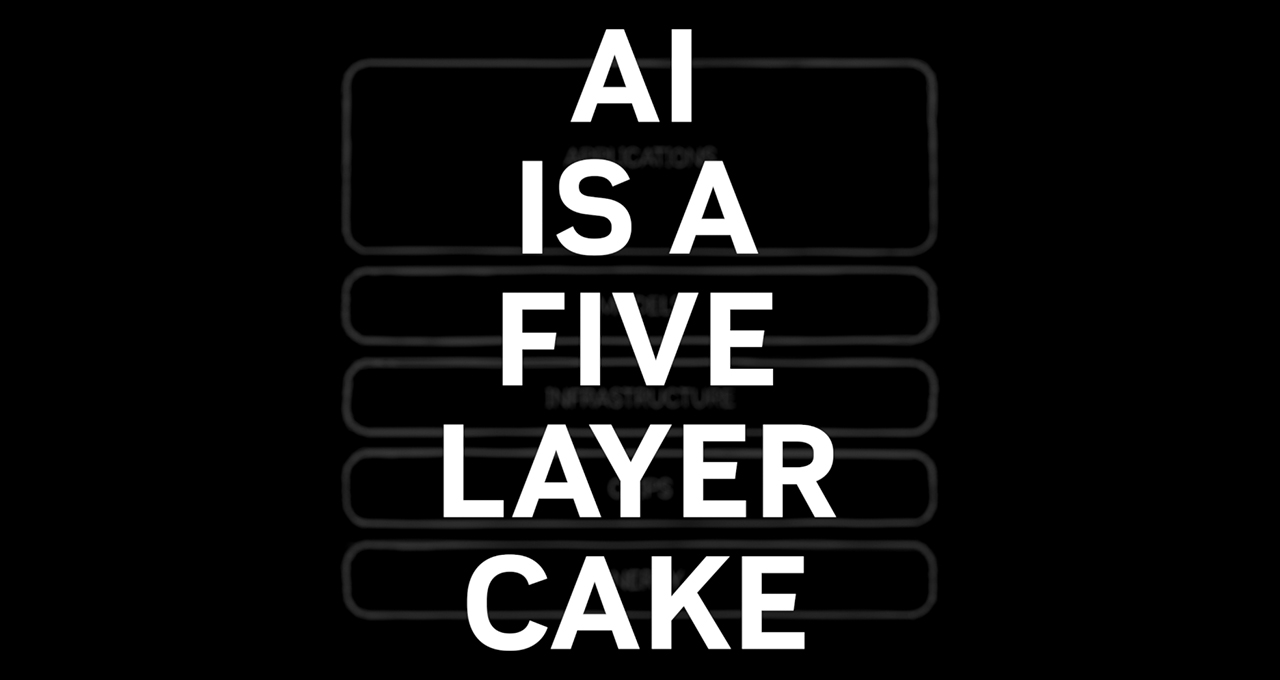
NVIDIA CEO Jensen Huang has published a new blog post ahead of GTC 2026 that tries to reduce the entire AI boom into one simple metaphor: a five layer cake. In the official post, AI Is a 5 Layer Cake, Huang argues that AI should no longer be viewed as a clever application or a single model, but as essential infrastructure on the scale of electricity and the internet. That framing is the real message behind the post. NVIDIA is not just saying AI is important. It is saying the market still has not fully grasped how big the buildout will become.
Huang lays out the stack as energy, chips, infrastructure, models, and applications. In NVIDIA’s view, every one of those layers depends on the ones beneath it. Energy sits at the bottom because real time AI requires real time power. Chips come next because they turn electricity into computation. Infrastructure then ties together land, power delivery, cooling, networking, and large scale systems that Huang describes as AI factories. Above that sit models, and finally applications, which he says are where the economic value is ultimately created.

That structure is not just a teaching tool. It is also a strategic statement about where NVIDIA believes the industry is heading and why the company sees itself at the center of the shift. Huang argues that AI is now moving beyond the early chatbot era and into a broader industrial phase where intelligence is being generated in real time, which forces the entire stack beneath it to evolve. In his wording, the world is only a few hundred billion dollars into this transformation and still has trillions of dollars of infrastructure left to build.
One of the most important parts of the post is Huang’s insistence that the opportunity is still early rather than mature. He writes that much of the infrastructure does not yet exist, much of the workforce has not yet been trained, and much of the opportunity has not yet been realized. That matters because it shows NVIDIA is still pitching AI as a long runway story, not a peak hype cycle. For investors, partners, and hyperscalers, it is a clear signal that NVIDIA believes the current phase is still groundwork, not the end state.
Huang also uses the blog to push back against the idea that AI value ends at frontier models. In the post, he points to applications in drug discovery, logistics, customer service, software development, manufacturing, robotics, and autonomous systems as evidence that the upper layers of the stack are now beginning to generate real economic value. He also highlights open models as an important accelerant, arguing that when strong open models become widely available, they drive demand all the way down the stack, from applications back to infrastructure, chips, and energy.
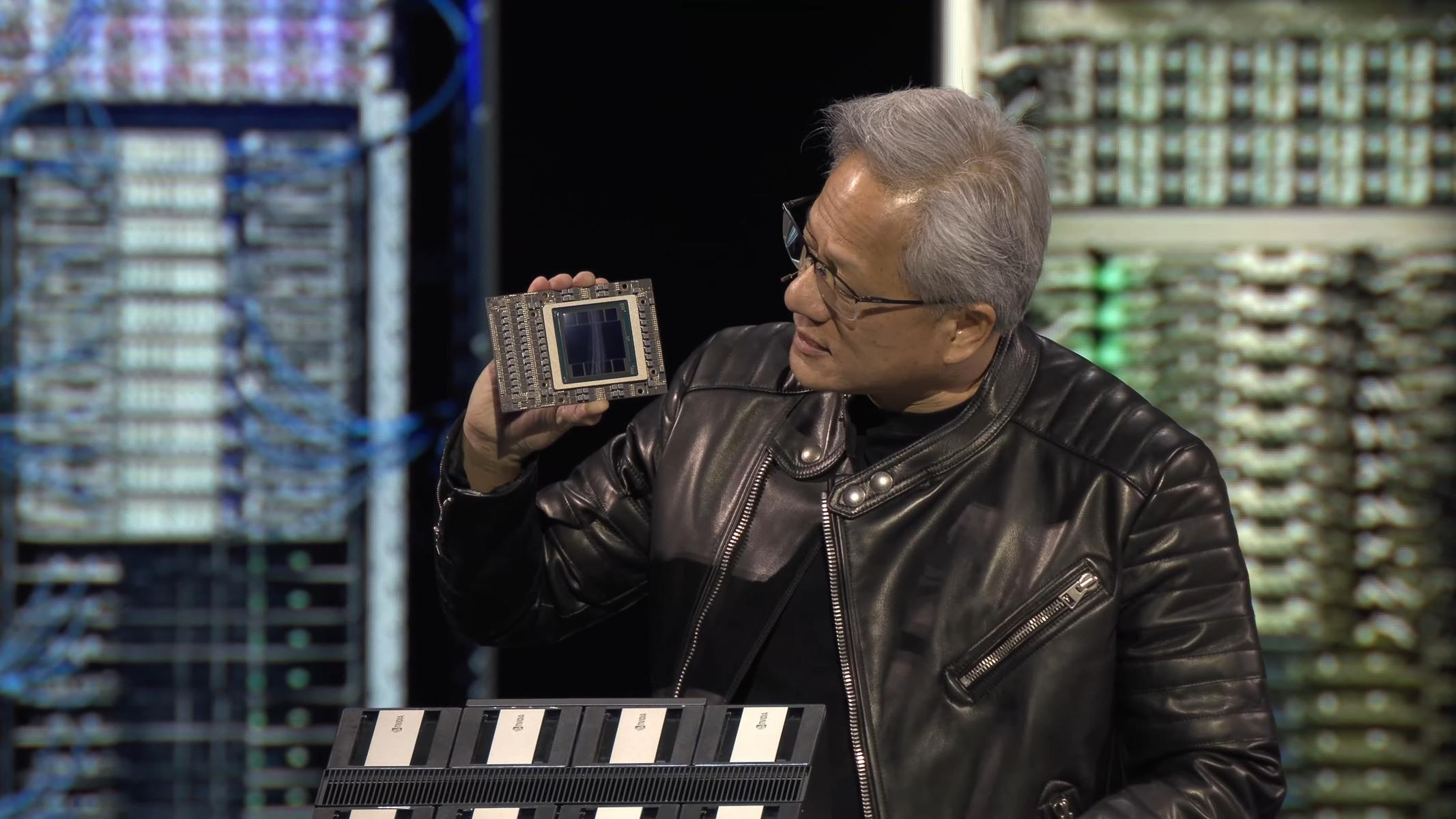
From a business perspective, the blog is also a very polished NVIDIA thesis statement. The company already sells the chips, networking, and systems that power much of today’s AI infrastructure, so framing AI as a five layer industrial stack naturally reinforces why NVIDIA sees the market as far larger than GPUs alone. In other words, Huang is not merely describing AI. He is describing an ecosystem where every successful application increases pressure on the layers where NVIDIA is already strongest. This is an inference based on NVIDIA’s positioning in chips and AI infrastructure and Huang’s description of how each layer reinforces the others.
The broader takeaway is that NVIDIA wants the market to stop thinking about AI as software hype and start thinking about it as foundational infrastructure. Whether that proves fully true will depend on how quickly real world applications scale beyond today’s leaders, but Huang’s message is unmistakable: the buildout is still early, the stack is still expanding, and the biggest part of the opportunity has not arrived yet.
Do you agree with Jensen Huang that AI is still in its early infrastructure phase, or do you think the industry is already much closer to its real ceiling than NVIDIA suggests?
