
Jennifer Hale and Mark Darrah Say EA Misunderstood BioWare as Fans Call for Mass Effect Rescue
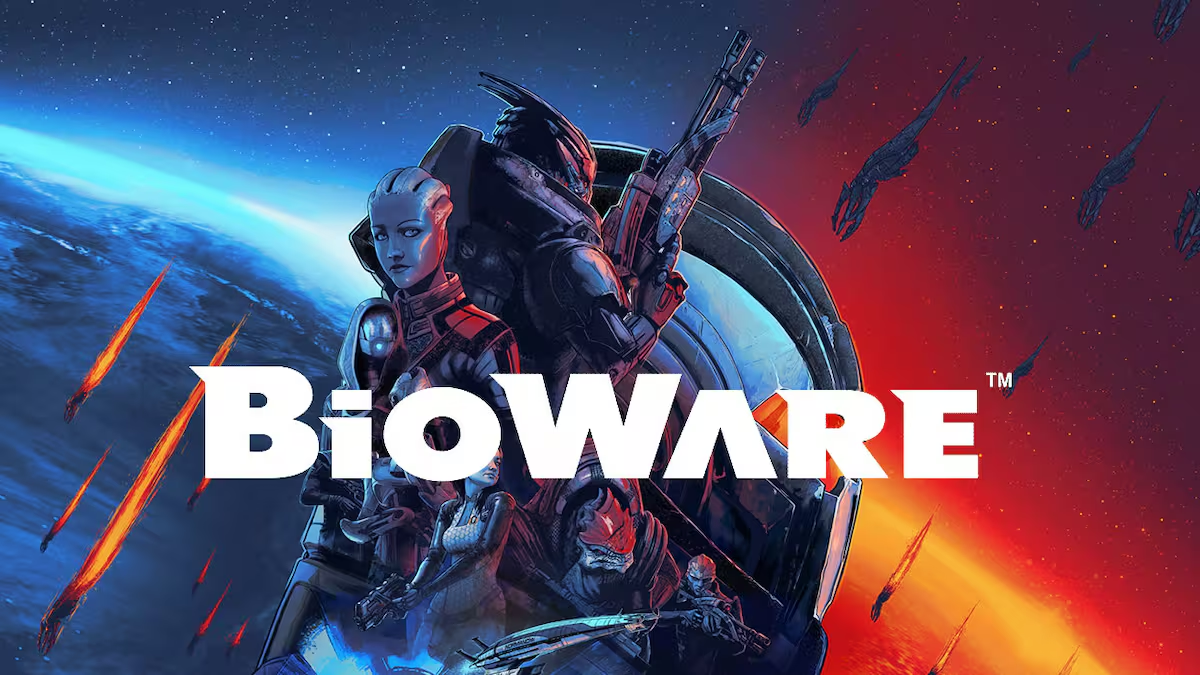
The closure of BioWare continues to generate criticism across the gaming industry, with Mass Effect voice actress Jennifer Hale and former executive producer Mark Darrah questioning Electronic Arts' understanding of the legendary RPG developer. Meanwhile, fans are calling on CD Projekt Red to help preserve Mass Effect, following the cancellation of its next installment and the shutdown of the studio responsible for some of gaming's most influential role playing franchises.
On October 21, 2026, EA officially confirmed BioWare's closure, ending development of the next Mass Effect project as part of a broader restructuring. The decision followed EA's $55 billion acquisition and privatization earlier this year, with approximately 400 positions reportedly affected across the publisher. The closure also brought an end to a studio established in 1995, known for Baldur's Gate, Star Wars: Knights of the Old Republic, Dragon Age and Mass Effect.
During an Instagram Live discussion alongside fellow Commander Shepard actor Mark Meer, Jennifer Hale expressed disappointment over BioWare's closure while raising concerns about the studio's corporate ownership.
"It was in the hands of ownership that may not have understood what BioWare fully is."
— Quote by: Jennifer Hale
Hale, who portrayed the female Commander Shepard throughout the original Mass Effect trilogy, also expressed hope that EA might eventually consider selling or licensing its intellectual properties, allowing another developer to continue their stories. She acknowledged that such an outcome remains uncertain but emphasized that BioWare's creative legacy could survive beyond the original studio.
Former BioWare executive producer Mark Darrah offered a similar perspective in an August 26 interview with The Examined Game, recorded before the studio's closure. Darrah argued that EA's 2007 acquisition of BioWare was partly incidental, suggesting the publisher was primarily interested in Pandemic Studios, its Star Wars Battlefront experience and the commercial opportunities surrounding Star Wars: The Old Republic.
According to Darrah, EA struggled to understand BioWare's identity as a developer centered on character relationships, player choices and narrative driven RPGs. He also discussed how the publisher's preference for multiplayer engagement and recurring monetization influenced the development of Anthem, which attempted to combine BioWare storytelling with a live service business model. The game's commercial difficulties and troubled development became a major turning point for the studio.
The response from fans has continued growing. A Save Mass Effect petition has surpassed 260,000 signatures, calling for EA to restore development or license the franchise to another studio. Supporters have also funded advertising in Times Square and encouraged CD Projekt Red, the developer behind The Witcher and Cyberpunk 2077, to consider preserving the series.
The connection between the 2 developers is particularly significant. On October 26, CD Projekt publicly thanked BioWare during the 19th anniversary of the original The Witcher, acknowledging that BioWare provided its Aurora Engine, technical expertise and promotional support during the Polish studio's early development.
However, CD Projekt has not expressed interest in acquiring BioWare or Mass Effect, and there is no evidence of negotiations with EA. Any potential transfer would require agreement over intellectual property rights, development resources and substantial financial commitments.
The renewed criticism follows the cancellation of Mass Effect and BioWare's closure, leaving the future of the franchise uncertain despite its enduring popularity.
BioWare's closure illustrates the difficulty of maintaining a creative identity within a publishing structure increasingly focused on predictable returns and large scale franchises. While its later projects faced genuine development and commercial challenges, the studio's greatest achievements came from prioritizing memorable characters, meaningful decisions and ambitious storytelling.
CD Projekt Red would be an intriguing potential custodian for Mass Effect given its experience with narrative RPGs, but admiration for BioWare's legacy does not establish either the financial feasibility or willingness to acquire the franchise.
The more important question is whether EA will allow Mass Effect to continue under another developer or retain the intellectual property indefinitely. For fans, preserving the franchise's identity matters more than simply transferring its name to another studio.
Should EA sell or license Mass Effect to CD Projekt Red or another RPG developer, or do you believe the franchise should remain untouched without the original BioWare team?
