
Jeff Kaplan Opens Up About Leaving Blizzard, Saying the Separation “Broke Me” After Years of Pressure Around Overwatch
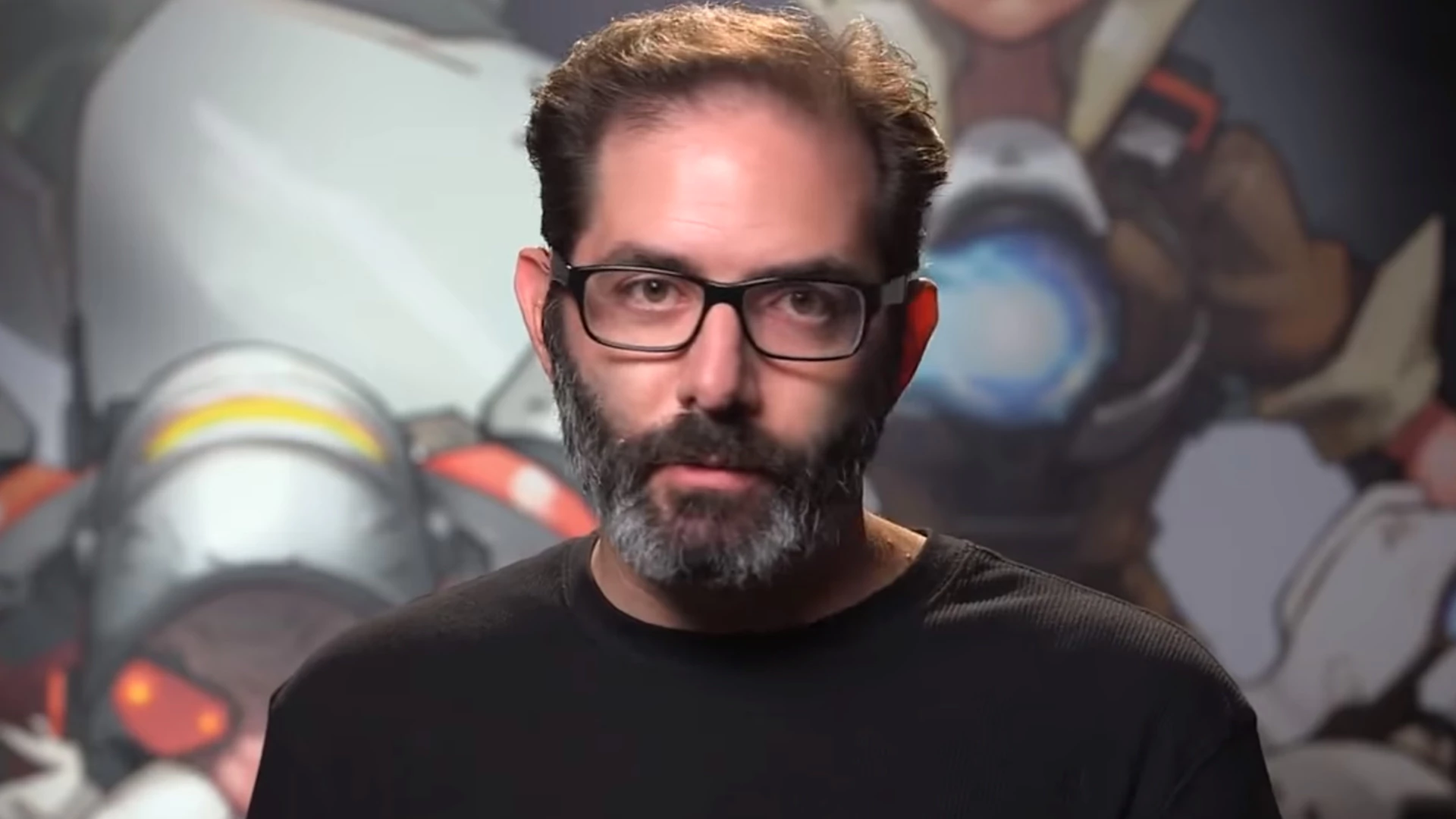
After years largely out of the public spotlight, former Blizzard creative leader and Overwatch creator Jeff Kaplan has finally spoken in depth about why he left the company in 2021, and the picture he paints is far more painful than many fans likely expected. In his recent conversation on the Lex Fridman interview, Kaplan described leaving Blizzard as emotionally devastating, saying plainly, “It broke me,” while also making clear that his feelings toward Blizzard itself remain deeply complicated rather than purely bitter. In the transcript of the interview, Kaplan says he still views Blizzard as a “mecca for game development” and credits the studio with shaping his career and supporting his family, which is exactly why the separation hit him so hard.
That emotional honesty is one of the most striking parts of the interview. Kaplan does not talk about Blizzard like someone trying to erase his past. Instead, he talks like someone who loved the place, believed he would retire there, and then found himself grieving a professional identity he never imagined losing. In the transcript, he says he did not even fully understand how broken he was until much later, describing the exit as one of the most painful experiences of his career.
Kaplan also finally revealed the moment he says truly broke his relationship with Blizzard leadership. According to the interview transcript, he was called into a meeting with the company’s CFO and told that Overwatch needed to hit a specific revenue target in 2020 and then maintain recurring revenue afterward. Kaplan says he was told that if the game failed to hit that number, 1,000 people would be laid off and it would be “on” him. He described that conversation as the worst insult of his career and said it felt surreal to be put in that position.
That account offers one of the clearest explanations yet for why Kaplan walked away despite spending 19 years at Blizzard and helping shape some of its most important eras, from World of Warcraft to Overwatch. He does not frame his departure as a single issue or one bad meeting alone, but that revenue ultimatum clearly stands out as the turning point that shattered his belief he could stay at Blizzard for the rest of his career. Kaplan says he once believed he would never work anywhere else, which makes the weight of that moment feel even heavier.
He also spoke candidly about the way Overwatch changed as outside pressures grew. In the interview transcript, Kaplan says that by 2016 and 2017 he felt strongly in control of the Overwatch team and the direction of the game, but that later the Overwatch League became, in his words, “an albatross.” He says the league began with good intentions, but eventually created burdens that pulled development away from the game he wanted to build. He directly ties that same pattern to Overwatch 2 as well.
That context matters because it helps explain the long running frustration many players felt around Overwatch 2, especially the eventual collapse of the promised PvE vision that had once been presented as the heart of the sequel. Kaplan does not lay every failure at one person’s feet, but the interview makes clear that financial demands, esports ambitions, and executive pressure all pushed the project further away from the creative direction he believed in. This is an inference based on Kaplan’s description of Overwatch League’s impact and his remarks about the internal shift in control and priorities.
The symbolism of his new studio name also now makes much more sense. Kaplan explains in the interview that his studio is called Kintsugiyama, and the name carries personal meaning tied to brokenness and repair. In the same conversation, he introduces his new project, The Legend of California, describing it as an open world action focused game set in a mythical version of Gold Rush era California. He says the team is only around 34 people and emphasizes that he is not trying to recreate Blizzard, but instead define what a Kintsugiyama game should be.
That may be the clearest sign of all that Kaplan is not simply revisiting old wounds for the sake of controversy. He is explaining them because they shaped what comes next. The interview feels less like a revenge story and more like a long delayed postmortem from someone who gave nearly 2 decades to one company, lost something central to his identity in the process, and is only now ready to talk openly about it. Whether players agree with every part of his read on Overwatch’s history or not, the candor is hard to ignore.
For longtime Blizzard fans, the most painful part may be that Kaplan still clearly loves what Blizzard meant, even while admitting that the environment he once believed in no longer felt survivable. That tension runs through the whole interview and gives his comments far more weight than a routine industry departure story.
What do you think, does Jeff Kaplan’s account change how you view Blizzard’s handling of Overwatch and Overwatch 2?
