
Hasbro CEO Says He Is Bullish on Exodus and Believes AI Will Eventually Make Games Better
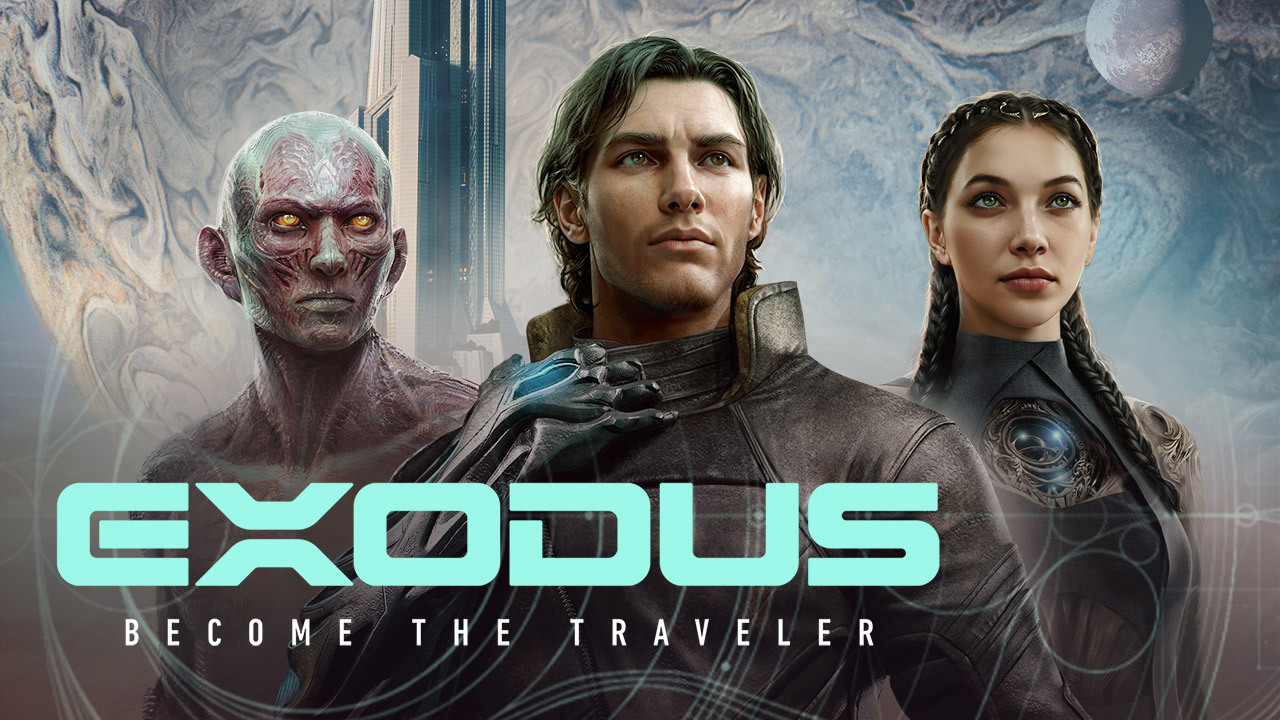
Hasbro CEO Chris Cocks has offered one of the clearest updates yet on the company’s gaming roadmap, saying he is personally bullish on Exodus and still sees meaningful long term potential in AI, even as he acknowledges that many players currently dislike the way AI is being used in games. Speaking on the latest episode of The Verge’s Decoder podcast, Cocks said Hasbro’s plan is to ship Exodus in the first half of 2027, while Warlock is currently targeted for the second half of 2027. Those comments line up with Hasbro’s earlier public messaging around Exodus launching in early 2027.
Cocks was especially positive about Exodus, the upcoming sci fi action RPG from Archetype Entertainment, the Hasbro owned studio founded by veteran developers with strong BioWare ties. In the Decoder interview, he said the team has been working on the game since 2019, that he has played it himself, and that he feels “pretty bullish” about what he has seen so far. He also framed Exodus and Warlock as part of a broader long term investment strategy in digital games, arguing that while any single release may carry high risk, a successful hit can have a major payoff for the company.
That matters because Hasbro has been steadily trying to position games as a more important pillar of its business beyond tabletop, toys, and licensing. Cocks told Decoder that the company does not see digital games as a temporary opportunity or a side experiment. Instead, he described them as an area where Hasbro is prepared to invest patiently, even if that means taking losses in the short term while building community, internal capability, and better long term execution. That is a notable signal for both Exodus and Warlock, because it suggests Hasbro is looking at them as part of a broader games strategy rather than isolated launches.
Cocks also addressed the broader economics of game development, and this is where the conversation becomes more revealing. He argued that games are still growing, but not at the kind of pace that easily absorbs the rising cost of AAA development. In his view, the industry is dealing with a difficult mix of mid single digit growth, platform substitution, and content production costs that continue to inflate faster than pricing power can comfortably support. He specifically pointed to the reality that a big budget AAA project can require around 1,000 man years of work, which helps explain why publishers are under pressure to rethink where and how they build games.
Part of that rethink, according to Cocks, involves looking beyond expensive traditional development hubs. In the interview, he said companies may increasingly need to pair market knowledge with strong development talent in regions such as Eastern Europe, Southeast Asia, and China. That is not just a comment about outsourcing costs. It reflects a broader business reality across the industry, where publishers are trying to balance rising budgets with more globally distributed talent pools.
Then there is the AI question. Cocks said he understands that many gamers do not like AI in games today, but he believes that eventually someone will figure out how to use it in a way that is high quality, fun, and genuinely improves the player experience. That is a very different stance from saying AI is already making games better right now. His actual position is more forward looking. He sees the current pushback, but still believes the technology will eventually find a role that players accept.
At the same time, Cocks was careful to clarify where Hasbro is and is not using AI today. He said the company is not currently using AI in the production pipelines for video games like Exodus or Warlock, and it is also not using AI in core content creation for Magic: The Gathering or Dungeons & Dragons. That distinction is important because it separates his belief in AI’s future potential from Hasbro’s present creative policies in its biggest enthusiast facing brands.
Where Hasbro is using AI more actively, according to Cocks, is in the concept phase for toys. He described it as a rapid ideation tool that can generate huge volumes of early concepts very cheaply, even if only a tiny fraction of those outputs are ultimately useful. His framing was that perhaps only 1 idea out of 1,000 is truly special, but if that one works, it can still be worth the process because the cost of generation is extremely low. That gives a more concrete example of how Hasbro currently sees AI as a productivity and experimentation tool rather than as a direct replacement for final creative output in games or tabletop.
From a games industry perspective, Cocks’ comments land in an interesting place. He is optimistic about Exodus, committed to a patient digital strategy, realistic about the brutal economics of AAA development, and still willing to say out loud that AI will probably find a better creative use in the future. That does not mean players will agree with him, and it definitely does not guarantee Exodus or Warlock will become breakout hits. But it does show that Hasbro’s leadership is thinking about games, production geography, and AI as part of one larger strategic shift rather than as separate conversations. That final point is an inference based on the themes Cocks linked together in the Decoder discussion.
The bigger test now is execution. Exodus has been in development for years and carries expectations tied to both Hasbro’s growing digital ambitions and the pedigree of the team making it. If Cocks’ confidence turns out to be well placed, the game could become one of the company’s most important digital launches in years.
What do you think, is Hasbro right to stay patient on games like Exodus while betting that AI will eventually find a more accepted place in game development?
