
Jeff Kaplan Blasts “Nerd Baby Rage” Culture, Says Devs Ignore Outrage From People Who Never Planned to Play
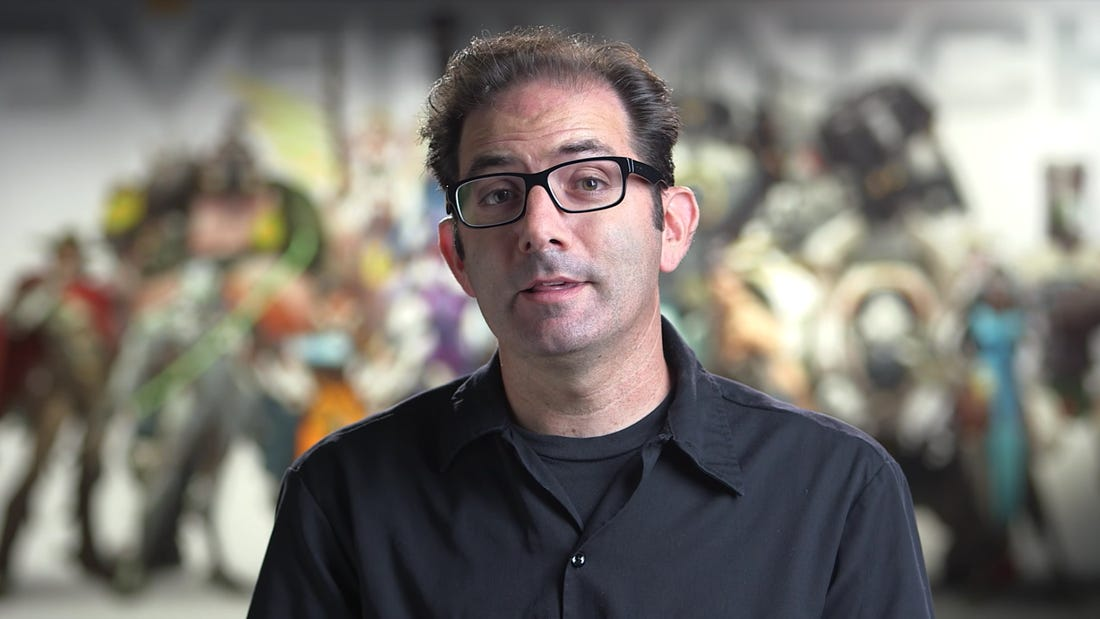
Former Overwatch director Jeff Kaplan has delivered one of the bluntest critiques of performative gaming outrage seen in recent months, using a long gameplay livestream for his upcoming project The Legend of California to call out the wave of hostility aimed at games by people who, in his view, never intended to play them in the first place. The comments came during a roughly 10 hour livestream featuring Kaplan and co founder Tim Ford playing the game together.
Kaplan’s core point was simple and forceful. He argued that not every game is meant for every player, and that there is nothing wrong with simply deciding a title is not for you. What he rejects is the now familiar online pattern where people loudly attack a game they do not want, have not played, and do not plan to play. According to reports quoting the stream, Kaplan said that if a game comes out and you do not want to play it and have never played it, then “shut the f**k up, no one cares,” adding that developers do not need to hear constant declarations from people who were never interested in the experience to begin with.
That line has naturally become the headline, but the wider argument is more revealing than the profanity. Kaplan drew a distinction between criticism from active players and outrage from spectators. He said he can understand when someone who genuinely loves a game is upset by a balance change or design decision and voices that frustration, even if he does not support hostility or rudeness. What he does not respect is what he described as “nerd rage” trained by internet culture, where anger becomes the default posture even when the person involved has no real stake in the game itself.
Kaplan also made it clear how that kind of commentary lands on the development side. As reported by multiple outlets, he said that when uninformed rage comes from people who have never engaged with the game, he simply ignores it. In his view, those posters accomplish nothing except pushing themselves so far into bad faith territory that they are no longer worth listening to. Tim Ford backed that up during the same discussion, saying it is not difficult or impressive to simply trash something online.
The timing of the comments helps explain why they are resonating. Kaplan has recently returned to the spotlight both because of his new studio Kintsugiyama and because of a separate interview in which he described the Blizzard moment that led to his departure as something that “broke” him emotionally. That interview, covered by outlets including Windows Central, has already reframed Kaplan as a veteran developer speaking more openly than usual about the pressures of the modern industry.
In that context, his outburst feels less like random provocation and more like accumulated frustration from someone who has spent years on the receiving end of both legitimate criticism and empty engagement bait. And that is why his comments are likely to strike a chord with many developers, even if some players dislike the delivery. The modern games conversation is filled with people who critique after playing, testing, and caring deeply. It is also filled with another class of voices that treat outrage as performance, where the goal is not discussion but attention. Kaplan’s remarks were aimed squarely at the second group. The articles covering his comments consistently frame them around this distinction between good faith critique and habitual hostility.
From an industry standpoint, this matters because more developers are beginning to say publicly what many have said privately for years. Loud negativity does not automatically equal meaningful feedback. In some cases, the more theatrical and viral the outrage becomes, the less useful it is to the people actually making games. Kaplan’s language was deliberately sharp, but the strategic point underneath it is harder to dismiss: discourse built around games no one intended to touch in the first place can distort public conversation far beyond its actual value. That final framing is an inference based on Kaplan’s reported comments and the broader coverage of them.
Whether people agree with his tone or not, Kaplan has clearly tapped into a real tension in gaming culture. Players want to feel heard, and developers want real feedback. But somewhere between those two needs, online ecosystems have rewarded outrage as content. Kaplan’s message is that if you genuinely care about a game, speak honestly. If you never intended to play it, maybe the most useful contribution is silence.
What do you think, was Jeff Kaplan right to call out performative gaming outrage so directly, or did he go too far in how he said it?
