
Intel Panther Lake 30W Handhelds Rumored to Match Sony PS6 Canis Handheld Performance at 15W
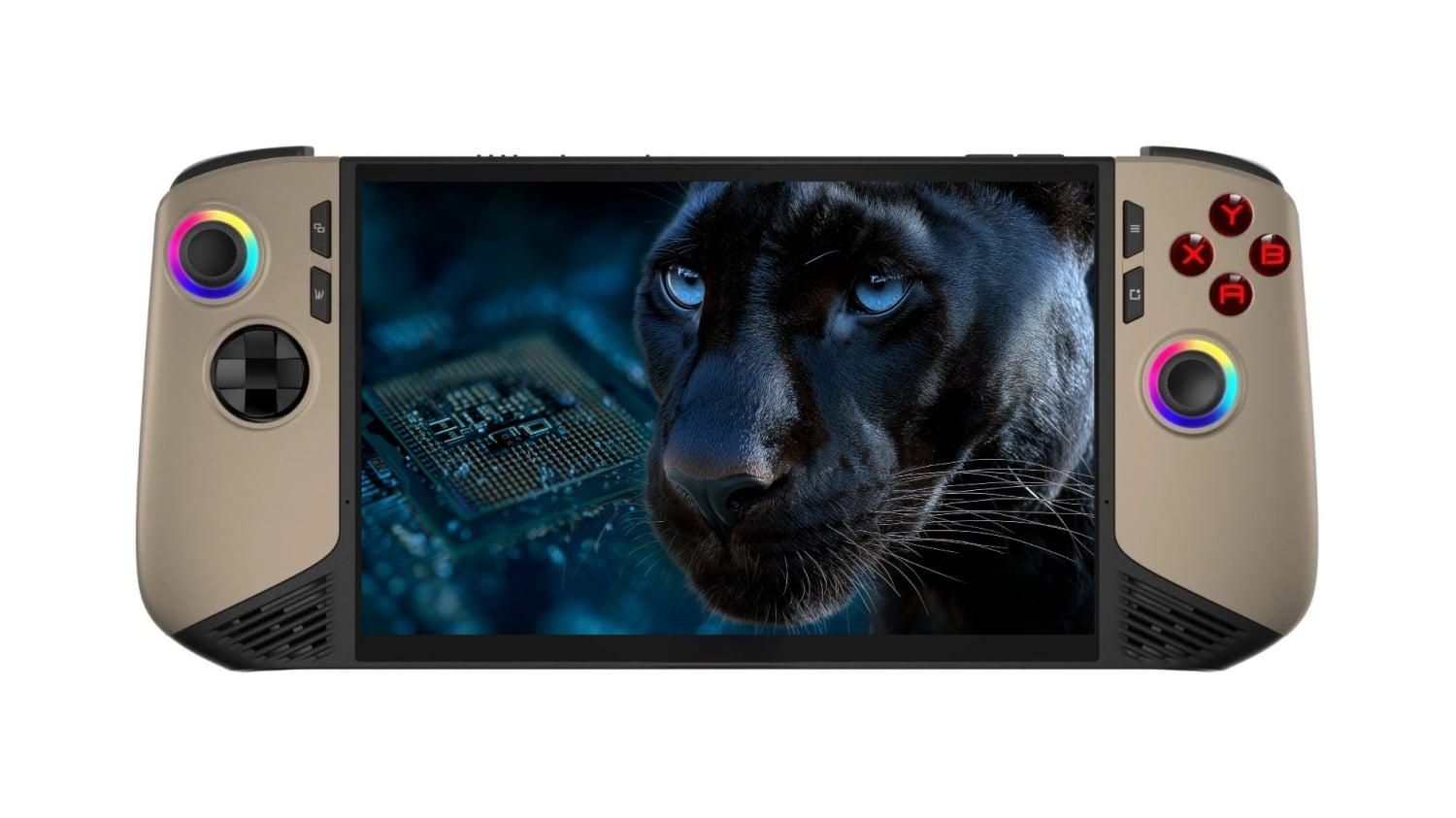
Intel is preparing a far more aggressive push into the gaming handheld market with its upcoming Panther Lake SoCs, and early rumors suggest Team Blue may be positioning itself as Sony’s closest performance rival in this segment rather than AMD. According to industry chatter emerging after CES, Intel’s dedicated Panther Lake handheld chips could deliver performance comparable to Sony’s rumored PlayStation 6 handheld, codenamed Canis, though at a notably higher power envelope.
At CES, Intel confirmed that Panther Lake will not simply be another general purpose mobile CPU repurposed for handhelds. Instead, Intel plans to deploy dedicated Panther Lake variants specifically designed for portable gaming devices, moving away from the compromises seen with earlier platforms like Meteor Lake and Lunar Lake. While products such as the MSI Claw demonstrated that Intel silicon could enter the space, they struggled to compete consistently with AMD and its Ryzen Z series lineup.
The new approach reportedly involves trimming non essential components from Panther Lake for handheld focused SKUs. This could include retaining higher Xe3 GPU core counts, maintaining a practical CPU core configuration, and potentially excluding the NPU entirely. The goal is straightforward: maximize thermal and power headroom for gaming performance rather than spreading resources across AI and background workloads that add little value in a handheld gaming context.
This shift is happening as AMD’s handheld roadmap appears relatively static in the short term. With the Gorgon Point Ryzen AI 400 family offering limited evolution for handheld focused designs, AMD’s next major leap is expected to arrive later with Medusa Point. That gap is where Intel sees opportunity, especially as it aligns Panther Lake more closely with handheld use cases instead of adapting laptop silicon.
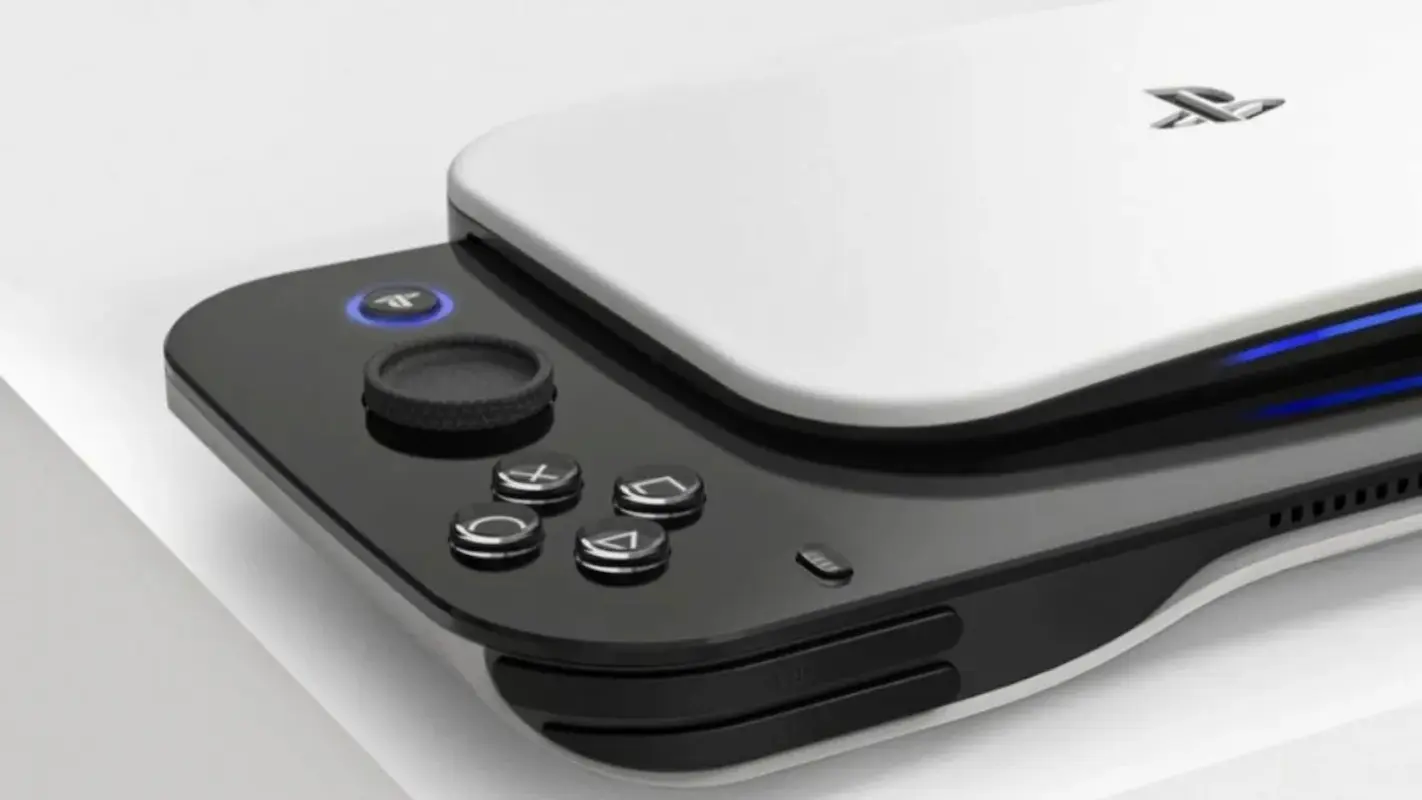
The most striking comparison, however, comes from a claim by hardware leaker Kepler L2. According to his post on X, Intel Panther Lake handhelds operating around 30W could offer performance similar to Sony’s PS6 handheld running at just 15W. If accurate, this suggests that while Intel can reach parity, Sony holds a significant efficiency advantage.
PTL handhelds might be a great ballpark estimate for how PS6 Handheld will perform/how PS5 games can be scaled down to very low TDP.
— Kepler (@Kepler_L2) January 11, 2026
Z2E is too slow and Strix Halo is too fast, but PTL @ 30W should be very similar to Canis @ 15W
That efficiency gap is not entirely surprising. Sony’s handheld is expected to run a highly optimized proprietary operating system and software stack tailored exclusively for gaming, with first party titles designed around fixed hardware targets. By contrast, Intel based handhelds will rely on Windows and broader PC ecosystems, where abstraction layers and background services inevitably consume power. This makes raw performance parity at double the power budget plausible, even if it highlights the challenge Intel still faces on efficiency.
Despite that, there is reason to believe Panther Lake performance could scale down more effectively over time. Platform maturity, driver optimization, and closer collaboration between Intel, Microsoft, and handheld OEMs could improve efficiency at lower wattages as real world usage data accumulates. Historically, PC handheld performance has improved significantly post launch once firmware and software tuning catches up to hardware potential.
What makes this development particularly interesting is the competitive framing. Rather than AMD, it is Intel that is now being discussed as Sony’s closest technical competitor in the handheld space. If Panther Lake delivers strong GPU throughput and acceptable efficiency scaling, it could redefine Intel’s position in a market that has so far been dominated by AMD silicon.
Current expectations point to the first Intel Panther Lake gaming handhelds arriving around mid 2026. By then, the handheld landscape could look very different, with Sony, Intel, and AMD all approaching portable gaming from fundamentally different architectural and software philosophies.
Do you think Intel can close the efficiency gap over time, or will Sony’s tightly controlled hardware and software stack always keep its handheld at a power advantage?
